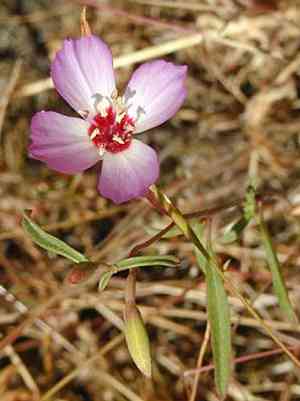
Presidio clarkia (Clarkia franciscana)
Also known as: Franciscan Clarkia, Presidio clarkia
Presidio clarkia, a rare annual wildflower known for its bright pink petals and yellow centers, flourishes primarily in the serpentine soils of San Francisco. These soils, characterized by their poor nutrient content, support the plant's low-growing and robust nature. Despite its fragile look, Presidio clarkia is well-adapted to thrive in these challenging conditions, making it a distinctive and hardy species in its native habitat.
In This Article
Attributes of Presidio clarkia
Lifespan
Annual
Plant Type
Herb
Plant Height
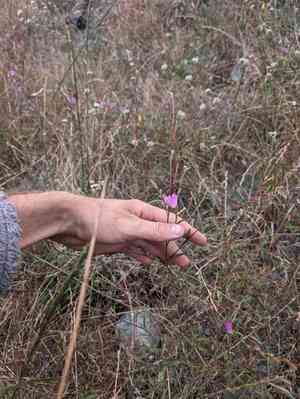
Approximately 30-50 cm
Spread
N/A
Leaf Color
Green
Flower Size
Approximately 2-3 cm
Flower Color
Bright pink to purple with red to dark purple spots
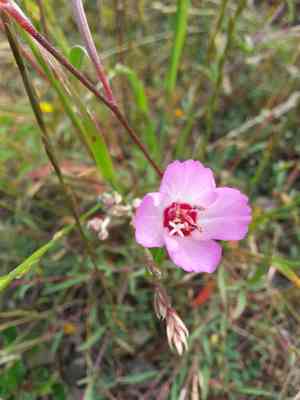
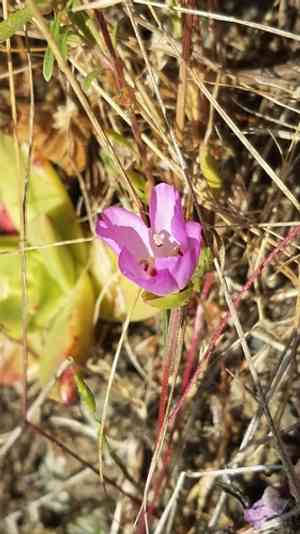
Images of Presidio clarkia
Quickly Identify Presidio clarkia
1
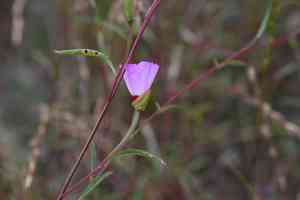
Clarkia franciscana can be identified by its slender stems that often branch out at the base, long slender leaves, and bright pink to purple flowers with distinct petals that have red to dark purple spots near the base.
Scientific Classification of Presidio clarkia
Phylum
Vascular plants
Class
Dicotyledons
Order
Myrtales
Family
Evening primrose
Genus
Clarkia
Species
Presidio clarkia
Planting and Growing of Presidio clarkia
Care Difficulty
Moderate
Watering Schedule
Every 3 days
Sunlight Requirements
Full sun
Sunshine Duration
4-8 hours
Ideal Temperature
55-75℉
Soil Type
Potting Mix, Peat Mix
Soil pH
6.5-7.5
Fertilizer Type
Balanced
Pruning Season
Spring, Summer
Pruning Area
Branches, Leaves
Pruning Frequency
2 times a year
Repotting Season
Spring
Pot Type
Ceramic, Plastic
 How to Water Presidio clarkia?
For Clarkia franciscana, it's crucial to allow the soil to dry out between waterings without letting it become bone dry. Aim to moisten the top 2-3 inches of soil with approximately 100 milliliters of water each time, ensuring proper drainage to prevent waterlogging.
What are the symptoms of an underwatered Presidio clarkia?
›
What should I do if my Presidio clarkia is not getting enough water?
›
What are the symptoms of an overwatered Presidio clarkia?
›
How to save an overwatered Presidio clarkia?
›
 What Are the Sunlight Requirements for Presidio clarkia?
Clarkia franciscana thrives in full sun, requiring 6-8 hours of direct sunlight. Proper lighting supports its growth and flowering, ensuring the plant looks its best and remains healthy.
What is the ideal lighting for Clarkia franciscana?
›
How can I provide ideal lighting?
›
What benefits does ideal lighting provide?
›
 What Is the Ideal Temperature Range for Presidio clarkia?
The ideal temperature range for Clarkia franciscana is between 55°F and 75°F. Maintaining this consistent temperature range helps promote optimal growth and flowering. It ensures that the plant's metabolic processes function efficiently, resulting in healthy leaves and vibrant blooms.
 What Soil is Best for Presidio clarkia?
Clarkia franciscana thrives in soils that drain well. Without proper drainage, roots can become waterlogged, leading to root rot. Opt for sandy or loamy soil to ensure efficient drainage, keeping the roots healthy and preventing overwatering issues. This plant appreciates soil that allows air to circulate around its roots. Aeration helps deliver oxygen to the plant roots, essential for efficient nutrient uptake and vigorous growth. Sandy loam is ideal due to its naturally aerated nature. Clarkia franciscana is well-suited to soils with low fertility. Excessive nutrients can lead to unwanted lush foliage at the expense of blooms. The use of a balanced, low-fertility soil supports its natural growth cycle and optimizes blooming.
 How to Fertilize Presidio clarkia?
Clarkia franciscana requires a light hand with fertilization. When using liquid fertilizers, ensure that you dilute it to half the recommended strength to avoid overwhelming the plant's delicate roots.
 How to Prune Presidio clarkia?
Begin by observing the plant to locate any spent flowers or damaged stems. Removing these encourages more blooms and keeps the plant aesthetically pleasing. Prune back stems to a healthy node or the main stem, ensuring cuts are clean to avoid ragged edges that can invite disease. Thin out sections where growth is dense to improve air circulation. This reduces the risk of fungal infections and promotes vigorous growth. Gently shape the plant to encourage a balanced and visually appealing form. This involves removing excess growth while maintaining symmetry.
More About Pruning Techniques→
 How to Propagate Presidio clarkia plant?
1
Begin by filling your seed trays with a well-draining, sterile potting mix. Level the surface gently with a board or your palm to ensure even seed distribution and cover lightly with more mix if necessary.
2
Sprinkle the Clarkia franciscana seeds evenly across the surface of the soil. Cover them with a light layer of potting mix, approximately twice the depth of the seed size, to protect them as they establish.
3
Once sown, mist the surface of the potting mix gently to ensure adequate moisture without disturbing the seeds. Maintain a consistent temperature and humidity level for optimal germination rates.
 How to Repot Presidio clarkia plant?
1
Clarkia franciscana should be considered for repotting when you notice roots emerging through the drainage holes or if the plant appears root-bound. This typically happens every couple of years. Repotting is best done in spring or early summer when the plant is actively growing, ensuring it can quickly acclimate to its new environment.
2
Select a pot that is one size larger than the current one to give the plant room to grow. Ensure the pot has sufficient drainage holes to prevent waterlogging, which can harm Clarkia franciscana. Clay pots are an excellent option as they allow excess moisture to evaporate, keeping the roots healthy.
3
Choose a sandy, well-draining soil mix to prevent root rot and ensure proper aeration. A soil mixture containing peat, perlite, and sand is ideal, as it retains moisture while allowing excess water to drain away, promoting robust root growth.
Learn More About Presidio clarkia Diseases
Anthracnose
Bacterial Leaf Spot
Bacterial Soft Rot
Bacterial Wilt
Chemical Injury
Crown Gall
Cyst Nematode
Damping-off
Downy Mildew
Drought Stress
Fusarium Wilt
Gray Mold
Leaf Curl
Leaf Spot
Mosaic
Nutrient Deficiency
Nutrient Toxicity
Powdery Mildew
Root Rot
Root-knot Nematode
Rusts
Sooty Mold
Spider Mites
Temperature Stress
Thrips Damage
White Mold



