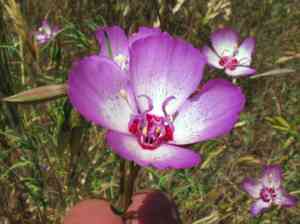
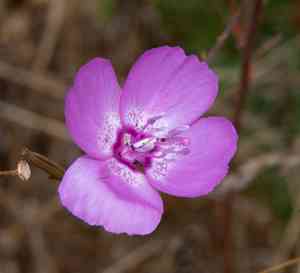
Speckled clarkia (Clarkia cylindrica)
Also known as: Farewell to Spring, Globe Clarkia
Foothill Penstemon, also known as Penstemon heterophyllus, is a graceful wildflower characterized by its narrow, spire-like clusters of blooms. The trumpet-shaped flowers, ranging from pink to lavender, make their appearance in spring and early summer, drawing in pollinators with their striking colors. This species thrives in California's diverse climate, flourishing in meadows and open woodlands, and is well-adapted to the region's seasonal variations.
In This Article
Attributes of Speckled clarkia
Lifespan
Annual
Plant Type
Herb
Plant Height
1 to 3 feet (30 to 90 cm)
Spread
10 to 18 inches (25 to 45 cm)
Leaf Color
Green
Flower Size
1.5 to 2 inches (3.8 to 5 cm)
Flower Color
Pink, Magenta
Images of Speckled clarkia
Quickly Identify Speckled clarkia
1
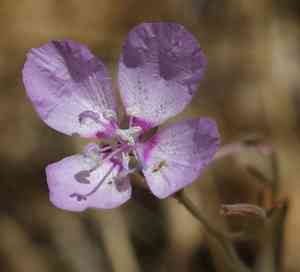
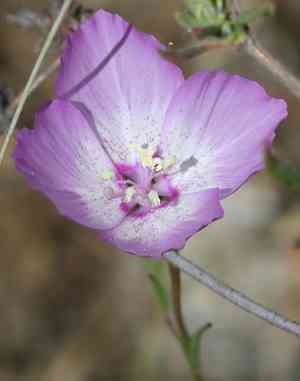
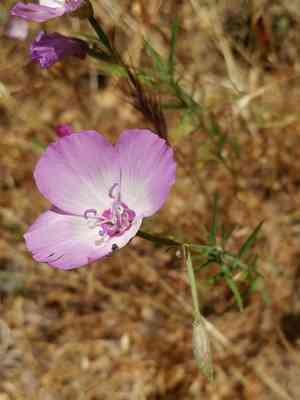
To identify Clarkia cylindrica, look for its distinctive, tubular flowers that often range in color from pink to magenta. The petals are usually bifid (split into two lobes) which gives the flower a unique appearance. The stems are slender and may be slightly hairy. Additionally, the leaves are lanceolate, linear, and alternately arranged along the stem.
Scientific Classification of Speckled clarkia
Phylum
Vascular plants
Class
Dicotyledons
Order
Myrtales
Family
Evening primrose
Genus
Clarkia
Species
Speckled clarkia
Planting and Growing of Speckled clarkia
Care Difficulty
Easy
Watering Schedule
Every 2 days
Sunlight Requirements
Full sun
Sunshine Duration
6-10 hours
Ideal Temperature
60-75℉
Soil Type
Potting Mix, Peat Mix
Soil pH
6.5-7.5
Fertilizer Type
Balanced
Pruning Season
Spring, Summer
Pruning Area
Branches, Leaves
Pruning Frequency
2 times a year
Repotting Season
Spring
Pot Type
Plastic, Ceramic
 How to Water Speckled clarkia?
Clarkia cylindrica requires about 250 ml of water each time you water it. The principle is to provide enough moisture without leaving the soil waterlogged. Ensuring that the soil remains moderately moist but not soggy is key to its healthy growth.
What are the symptoms of an underwatered Speckled clarkia?
›
What should I do if my Speckled clarkia is not getting enough water?
›
What are the symptoms of an overwatered Speckled clarkia?
›
How to save an overwatered Speckled clarkia?
›
 What Are the Sunlight Requirements for Speckled clarkia?
Clarkia cylindrica ideally grows under full sun or partial sun conditions. The plant's blooming efficacy and growth robustness significantly improve under suitable sunlight, leading to a healthier, more vibrant appearance and prolonged flowering periods.
What is the ideal lighting condition for Clarkia cylindrica?
›
How can I achieve the ideal lighting for Clarkia cylindrica?
›
What benefits do Clarkia cylindrica obtain from ideal lighting?
›
 What Is the Ideal Temperature Range for Speckled clarkia?
Clarkia cylindrica thrives best in temperatures ranging from 60°F to 75°F. This temperature range ensures optimal growth conditions, facilitating efficient photosynthesis and healthy metabolic processes essential for its blooming cycle.
 What Soil is Best for Speckled clarkia?
Clarkia cylindrica thrives in well-drained soil which prevents waterlogging. This promotes healthy root systems by allowing oxygen to permeate, reducing the risk of root rot and fostering the plant’s overall growth. A nutrient-rich soil medium provides the essential minerals and compounds required for robust growth. This ensures that Clarkia cylindrica has access to the nutrients it needs at various stages of its development, enhancing blooming and resilience. The light texture of the soil aids in root penetration and expansion, giving Clarkia cylindrica more stability and access to underground resources. This characteristic is vital for supporting the plant's upright structure as it matures.
 How to Fertilize Speckled clarkia?
Clarkia cylindrica typically requires light fertilization, as it's adapted to nutrient-poor soils. Use a balanced 10-10-10 liquid fertilizer diluted to half strength. For slow-release fertilizer, a sparing application of granules is recommended to avoid nutrient burn.
 How to Prune Speckled clarkia?
Begin pruning your Clarkia cylindrica in early spring as new growth appears. Remove any dead or damaged stems to promote healthy development. Cut back the plant by one-third of its height to encourage bushier growth and a stronger structure. Be sure to use clean, sharp pruning shears to prevent plant damage. Once your Clarkia cylindrica starts blooming, regularly inspect the plant to remove spent flowers. This deadheading process prevents seed formation, which helps the plant dedicate more energy to producing new blooms. Snip off above the first set of healthy leaves to maintain the plant's appearance and encourage continuous flowering.
More About Pruning Techniques→
 How to Propagate Speckled clarkia plant?
1
Fill the seed tray with potting soil, ensuring it has been lightly compacted to eliminate air pockets. Water it lightly to moisten the soil, but do not oversaturate.
2
Scatter Clarkia cylindrica seeds thinly and evenly over the surface of the soil. Lightly press them into the soil or cover them with a thin layer of soil, as they need light to germinate.
3
Keep the soil consistently moist by lightly misting the seed tray with water. Be careful not to overwater, which could displace the seeds or lead to fungal growth.
 How to Repot Speckled clarkia plant?
1
Repotting Clarkia cylindrica is best signaled by roots circling the pot or growing out of drainage holes, restricted growth, or quick soil drying. The ideal time is during early spring when new growth begins, as the plant can quickly establish itself in fresh soil free from the stress of blooming.
2
Choose a pot that is one size larger than the current one, ensuring good drainage with holes at the bottom. A pot made of porous material like terracotta can benefit the plant by providing better air circulation, preventing waterlogging, and allowing excess moisture to evaporate, which helps avoid root rot—a common issue with over-watering.
3
Opt for a well-draining sandy mix enriched with organic matter such as compost. This soil type ensures good aeration and drainage, vital for Clarkia cylindrica's healthy root development and prevention of root diseases. A balanced fertility level helps maintain the plant's vigor and blooming potential.



