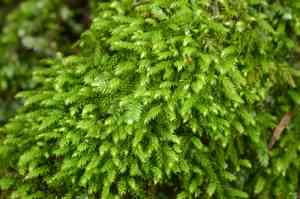
Whipple's claopodium moss (Claopodium whippleanum)
Also known as: Whipple's feathermoss
Whipple's claopodium moss is distinguished by its feathery, green fronds that naturally spread across forest floors and tree bases in shaded, moist regions. This moss features delicate, vine-like stems adorned with lance-shaped leaves, reflecting its adaptability and overall health. Its presence is a strong indicator of a stable, humid ecosystem, thriving in environments with consistent moisture and minimal disturbances, contributing to the complex fabric of the forest understory.
In This Article
Attributes of Whipple's claopodium moss
Lifespan
Perennial
Plant Height
Variable, typically around 1-5 cm
Spread
N/A
Leaf Color
Vibrant green
Flower Size
N/A
Flower Color
N/A
Images of Whipple's claopodium moss

Quickly Identify Whipple's claopodium moss
1
Identifying Claopodium whippleanum involves looking for its feathery, finely branched structure, along with its vibrant green color and delicate appearance. Under a microscope, the leaves are seen to have a characteristic S-shape.
Scientific Classification of Whipple's claopodium moss
Phylum
Bryophyta
Class
Bryopsida
Order
Hypnales
Family
Thuidiaceae
Genus
Claopodium
Planting and Growing of Whipple's claopodium moss
Care Difficulty
Moderate
Watering Schedule
Every 2 days
Sunlight Requirements
Partial sun
Sunshine Duration
4-6 hours
Ideal Temperature
50-60℉
Soil Type
Potting Mix, Peat Mix
Soil pH
6.5-7.5
Fertilizer Type
Balanced
Pruning Season
Spring, Summer
Pruning Area
Branches, Leaves
Pruning Frequency
Once a year
Repotting Season
Spring
Pot Type
Terracotta, Plastic
 How to Water Whipple's claopodium moss?
Claopodium whippleanum, known for its moss-like appearance, prefers a moist environment without being overly saturated. A watering amount of approximately 250 milliliters ensures the soil remains damp but not waterlogged, mimicking natural conditions.
What are the symptoms of an underwatered Whipple's claopodium moss?
›
What should I do if my Whipple's claopodium moss is not getting enough water?
›
What are the symptoms of an overwatered Whipple's claopodium moss?
›
How to save an overwatered Whipple's claopodium moss?
›
 What Are the Sunlight Requirements for Whipple's claopodium moss?
Partial sunlight, under trees or similar covers, is ideal. This setup ensures the plant can photosynthesize effectively while maintaining moisture and avoiding damage from harsh rays.
What is the ideal lighting for Claopodium whippleanum?
›
How can I achieve ideal lighting conditions for this plant?
›
What are the benefits of providing ideal lighting conditions?
›
 What Is the Ideal Temperature Range for Whipple's claopodium moss?
Claopodium whippleanum thrives in a mild climate, ideally between 50°F and 60°F. This range provides the optimal conditions for growth without stressing the plant. Maintaining this temperature ensures that the metabolic processes happen efficiently, supporting robust development and vibrant health.
 What Soil is Best for Whipple's claopodium moss?
Claopodium whippleanum thrives best in soil with excellent drainage capabilities. This ensures the roots do not remain waterlogged, which can lead to root rot and other water-related issues. This plant benefits from a nutrient-rich soil, aiding in robust growth and vibrant foliage. Organic matter like compost enriches the soil, promoting a healthy growth cycle. While good drainage is crucial, the soil should also retain sufficient moisture between watering. This ensures the plant remains hydrated without the risk of drying out.
 How to Fertilize Whipple's claopodium moss?
For Claopodium whippleanum, it's essential to use a balanced fertilizer at half the strength recommended for most houseplants. Use about 1/4 teaspoon of fertilizer per gallon of water when applying liquid fertilizers. For solid fertilizers, scatter a small amount evenly around the base, approximately 10 grams per square meter. Over-fertilization can lead to nutrient burn, so it's crucial not to exceed these amounts.
 How to Prune Whipple's claopodium moss?
Ensure you have sharp, clean pruning shears. Proper tools make clean cuts, promoting quicker healing and reducing the risk of disease. Look for dead or yellowing leaves, stems that are wilting, or areas with excessive growth that disrupt the plant's natural form. Carefully trim back any overlapping stems or leaves. Always cut at a 45-degree angle, which allows water to dissipate and minimizes disease risk.
More About Pruning Techniques→
 How to Propagate Whipple's claopodium moss plant?
1
Select healthy and mature stems from the parent plant. Cut a section of about 4-6 inches using sharp shears. Remove leaves from the lower third of the cutting to facilitate root development.
2
Dip the cut end of the stem in rooting hormone. This will enhance root formation and improve the chances of successful propagation.
3
Plant the cutting in a pot filled with a moist, well-draining potting mix. Place the pot in a warm, bright location, but away from direct sunlight.
 How to Repot Whipple's claopodium moss plant?
1
For Claopodium whippleanum, the right time to consider repotting is when you notice roots becoming visible on the surface of the soil or growing out of the drainage holes. This moss thrives when it has room to grow, so if it's been in the same container for over two years, consider a move.
2
When selecting a new pot, opt for one that is just one size larger than the current pot. This prevents excessive soil moisture which can lead to root rot. Look for a pot with ample drainage holes to ensure water doesn't accumulate, as Claopodium whippleanum prefers a balanced moisture level.
3
Use a soil mix that is both moist and well-draining to mimic the natural habitat of Claopodium whippleanum. A peat-based mix with perlite is ideal as it retains necessary moisture while facilitating good airflow, promoting healthy growth.


