Yellowwood(Cladrastis kentukea)

Yellowwood (Cladrastis kentukea)

Also known as: Kentucky yellowwood, American yellowwood

Yellowwood (Cladrastis kentukea) is a tree native to the southeastern United States. It features striking bright yellow foliage. Pruning should be done during the summer to prevent the tree from bleeding, which can occur if pruned in the spring. Regular pruning is essential to maintain its structure, as neglecting this can cause the tree to deteriorate over time.

Attributes of Yellowwood

Lifespan
Perennial
Plant Type
Tree
Plant Height
9 m to 14 m
Spread
12 m to 15 m
Leaf Color
Green Yellow
Flower Size
2.5 cm
Flower Color
White

PlantJoy - Identify plants with a snap

Identify and diagnose plants, get toxicity alerts, and explore safety guides for all types of fungi.

Try for Free

Images of Yellowwood

Yellowwood(Cladrastis kentukea)

Quickly Identify Yellowwood

1
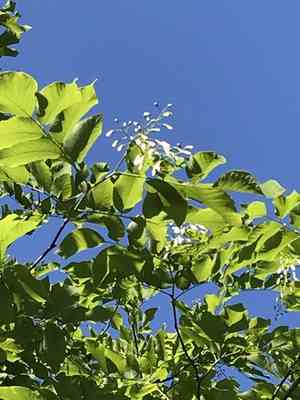
Pendulous clusters of fragrant white blooms in 12-inch (30 cm) panicles
2
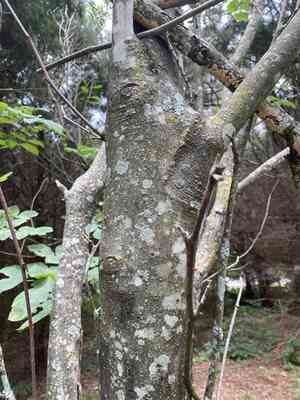
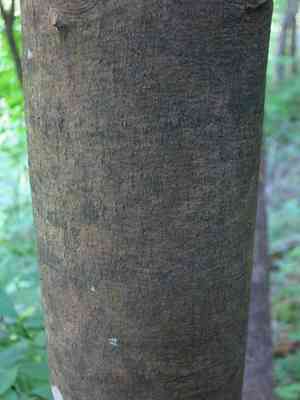
Smooth gray bark with pebbly texture as it ages
3
2.5-4 inch (6.35-10.16 cm) flat, yellow-brown seed pods in July-August
4
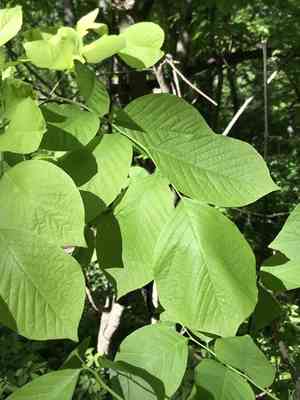
Pinnately compound leaves with 7-9 ovate to elliptic leaflets
5
Light gray or brown twigs with scattered white lenticels for gas exchange

Scientific Classification of Yellowwood

Phylum
Vascular plants
Class
Dicotyledons
Order
Fabales
Family
Legume
Genus
Yellowwoods
Species
Yellowwood

Planting and Growing of Yellowwood

Care Difficulty
Easy
Watering Schedule
Every 3 days
Sunlight Requirements
Partial sun
Sunshine Duration
4-8 hours
Ideal Temperature
60-75℉
Soil Type
Potting Mix, Peat Mix
Soil pH
6.5-7.5
Fertilizer Type
Balanced
Pruning Season
Spring, Summer
Pruning Area
Branches, Leaves
Pruning Frequency
2 times a year
Repotting Season
Spring
Pot Type
Ceramic, Plastic

water icon How to Water Yellowwood?

Cladrastis kentukea requires about 800 milliliters of water per watering session. The water should be enough to moisten the soil deeply, ensuring that it reaches the root zone. The watering approach should be thorough but infrequent, allowing the soil to dry out a bit between waterings to prevent root rot.
What are the symptoms of an underwatered Yellowwood?
What should I do if my Yellowwood is not getting enough water?
What are the symptoms of an overwatered Yellowwood?
How to save an overwatered Yellowwood?

sunlight icon What Are the Sunlight Requirements for Yellowwood?

Sunlight Requirements: Partial sun
Duration of light: 4 to 6 hours
Partial sun, with 4 to 6 hours of light, supports optimal growth. Ideal lighting ensures rich green foliage, robust branching, and prolific flowering. This light range fosters a resilient Cladrastis kentukea, well-suited to both ornamental and ecological purposes.
What are its ideal lighting conditions?
How can you ensure it gets the ideal light?
Benefits of ideal lighting?
More About Sunlight Requirements Techniques

temperature icon What Is the Ideal Temperature Range for Yellowwood?

Ideal Temperature: 60 ~ 75℉
The ideal temperature range for Cladrastis kentukea, commonly known as American Yellowwood, is between 60°F and 75°F. This range is optimal for maintaining healthy growth and development. It is important to regulate temperatures within this range to ensure the plant's physiological processes, such as photosynthesis and transpiration, operate effectively. Maintaining a stable climate within these temperatures will help encourage vibrant foliage and prolific flowering in your Cladrastis kentukea.

soil icon What Soil is Best for Yellowwood?

Soil type: Loam, Sandy loam
Soil PH: 6.5 ~ 7.5
Cladrastis kentukea thrives in well-drained soil. Good drainage is crucial as it prevents water from pooling around the roots, reducing the risk of root rot and enhancing growth. This plant benefits from moderately fertile soil. Adequate nutrients in the soil support robust growth and vibrant foliage, ensuring the plant maintains its health and vigor. Consistent soil moisture is ideal for Cladrastis kentukea. Maintaining slight moisture helps the plant develop a strong root system without causing stress from drought.

fertilize icon How to Fertilize Yellowwood?

Fertilizer type: Balanced
For Cladrastis kentukea, it is vital to adhere to a balanced approach. During the growing season, apply a balanced liquid fertilizer at a dilution of half strength to avoid overwhelming the plant's root system. Use approximately 1 liter per young tree, gradually increasing to 2 liters as the tree matures.

prune icon How to Prune Yellowwood?

Pruning Time: Spring, Summer
Start pruning in early spring before the growth spurt. Focus on shaping the tree to develop a strong central leader. Remove any crossing or inward-growing branches to promote an open center, allowing sunlight to penetrate more effectively. During the summer, monitor the Cladrastis kentukea for vertical shoots that may disrupt its balanced appearance. Trim these back lightly to encourage lateral growth, maintaining a manageable height and preventing top-heaviness. More About Pruning Techniques

propagate icon How to Propagate Yellowwood plant?

Propagate Time: Spring, Early summer
1
Cladrastis kentukea seeds require a stratification period to break dormancy. Place seeds in moist sand or sphagnum moss inside a plastic bag and refrigerate for 60 to 90 days to simulate winter conditions.
2
Select healthy wood from the plant for cutting propagation. Use clean, sharp pruning shears to cut a 6-8 inch section just below a node, ensuring each cutting has several leaves.
3
Grafting involves joining two plants to grow as one. Use whip or cleft grafting methods, ensuring the cambium layers of both scion and rootstock are aligned for successful fusion.
More About Propagating Techniques

repot icon How to Repot Yellowwood plant?

Repotting frequency: Every 3-4 years
1
Cladrastis kentukea shows its need for repotting when its roots start to emerge from the drainage holes or when the growth becomes stunted. Observing these signs often during the growth periods will help determine the perfect timing. Typically, this happens every 3 to 4 years.
2
Choose a pot that is one size larger than the current pot, with excellent drainage capability. A pot made of breathable material like terracotta is ideal, as it allows excess moisture to evaporate, preventing root rot which can harm Cladrastis kentukea.
3
Opt for a well-draining loamy soil mix that balances moisture retention and drainage. This type of soil provides the necessary nutrition while ensuring that excess water quickly drains away, preventing waterlogging and fostering healthy root development in Cladrastis kentukea.

PlantJoy - Identify plants with a snap

Find the best spots for them to optimize their health, simply using your phone.

Try for Free

Toxicity of Yellowwood

Is Yellowwood toxic to cat?

Yellowwood, categorized with a moderate toxicity level, presents a genuine risk to the health of cats. All parts of this plant contain toxic substances, meaning any ingestion can lead to poisoning. Symptoms of distress or illness may manifest in cats after consuming yellowwood, with varying degrees of severity. Cat owners must remain vigilant for any health changes in their pets and should swiftly consult a veterinarian to effectively address the potential health risks.

Is Yellowwood toxic to dog?

Yellowwood is recognized as possessing moderate toxicity for dogs. Should a dog ingest any component of this plant, they may be exposed to its toxic effects, as all parts of yellowwood are deemed harmful. Following ingestion, dogs may display a variety of symptoms that suggest poisoning. It is essential for dog owners to observe their pets closely and be vigilant for signs such as vomiting, diarrhea, lethargy, or more serious clinical manifestations based on the quantity consumed. If a dog has ingested yellowwood, it is vital to obtain prompt veterinary assistance to guarantee the best possible recuperation for the animal.

Identify toxic plants for your safety

Learn which plants are harmful to you and your pets, and make informed choices for a safer home!

Try for Free
WARNING
The judgment on toxicity and danger is for reference only. We DO NOT GUARANTEE any accuracy of such judgment. Therefore, you SHALL NOT rely on such judgment. It is IMPORTANT TO SEEK PROFESSIONAL ADVICE in advance when necessary.
More About Toxic Techniques