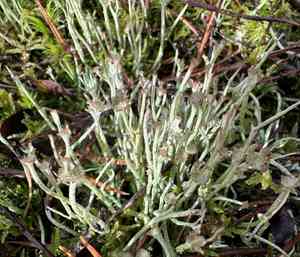
Smooth horn lichen (Cladonia gracilis)
Also known as: Cup lichen, Wounded pixie lichen
Smooth horn lichen is remarkable for its symbiotic relationship between a fungus and an algae or cyanobacteria. It stands out due to its slender, erect podetia, often topped with distinctive red or brown fruiting bodies. Unlike many other lichens, its surface is smooth rather than bushy or leafy. This lichen thrives in diverse habitats and serves as an important ecological indicator, contributing to environmental complexity.
In This Article
Attributes of Smooth horn lichen
Lifespan
Perennial
Plant Type
Lichen
Plant Height
1-6 cm
Spread
Not applicable
Leaf Color
none
Flower Size
none
Flower Color
none
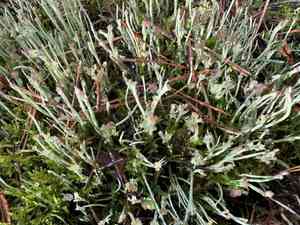
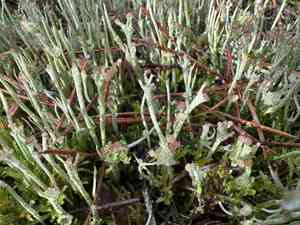
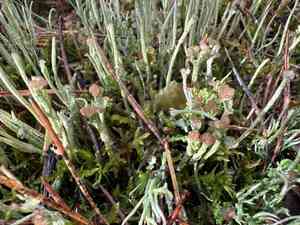
Images of Smooth horn lichen
Quickly Identify Smooth horn lichen
1
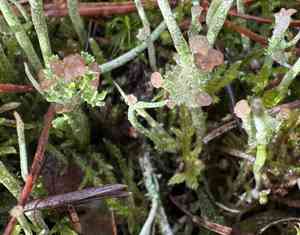
Cladonia gracilis can be identified by its small, pale green to grey-green, cylindrical and slender thalli. The thallus often forms a cup or goblet-like structure (podetia) which can be up to several centimeters tall. The surface of the thallus is often smooth. Its apothecia (fruiting bodies) are typically brown.
Scientific Classification of Smooth horn lichen
Phylum
Sac fungi
Class
Lecanoromycetes
Order
Lecanorales
Family
Cladoniaceae
Genus
Cup lichen
Species
Smooth horn lichen
Planting and Growing of Smooth horn lichen
Care Difficulty
Moderate
Watering Schedule
Every day
Sunlight Requirements
Partial sun
Sunshine Duration
6-10 hours
Ideal Temperature
60-75℉
Soil Type
Potting Mix, Peat Mix
Soil pH
4-6
Fertilizer Type
Balanced
Pruning Season
Spring, Summer
Pruning Area
Branches, Leaves
Pruning Frequency
2 times a year
Repotting Season
Spring
Pot Type
Ceramic, Plastic
 How to Water Smooth horn lichen?
Cladonia gracilis prefers minimal watering. It thrives in natural environments where rainfall is infrequent. Water only when its surroundings are completely dry, mimicking its natural habitat. Approximately 10 ml is sufficient per watering.
What are the symptoms of an underwatered Smooth horn lichen?
›
What should I do if my Smooth horn lichen is not getting enough water?
›
What are the symptoms of an overwatered Smooth horn lichen?
›
How to save an overwatered Smooth horn lichen?
›
 What Are the Sunlight Requirements for Smooth horn lichen?
Partial sun provides balance, allowing the plant to photosynthesize efficiently while protecting it from scorching. This fosters robust growth and vibrant appearance.
What is the best lighting for Cladonia gracilis?
›
How to achieve ideal lighting conditions?
›
Benefits of ideal lighting conditions?
›
 What Is the Ideal Temperature Range for Smooth horn lichen?
For optimal growth, Cladonia gracilis thrives well in temperatures ranging from 60°F to 75°F. This range provides the necessary warmth for metabolic processes without causing stress or damage to the plant's delicate structure.
 What Soil is Best for Smooth horn lichen?
Cladonia gracilis thrives in well-drained soil. This is because the lichen needs conditions that prevent waterlogging, which can harm its delicate structure. Ensuring proper drainage will mimic its natural habitat and promote healthy growth. This species does not require rich nutrient soil. Cladonia gracilis is adapted to low nutrient environments, reflecting its common growth on barren substrates like sandy soils. A low nutrient environment helps maintain the balance necessary for its growth. The lichen prefers slightly acidic conditions to emulate its natural growing conditions, which are usually on acid soil surfaces. Acidic soil ensures that the optimal conditions for its physiological processes are met, aiding in overall health.
 How to Fertilize Smooth horn lichen?
Cladonia gracilis requires a gentle touch when it comes to fertilization. During the growing season, a dilute liquid fertilizer solution with a quarter of the recommended concentration should suffice. It’s important not to overfertilize, as it is sensitive to nutrient buildup.
 How to Prune Smooth horn lichen?
Inspect Cladonia gracilis closely to identify any dead, discolored, or damaged sections. These should be the primary targets for pruning as they can harbor disease or pests. Use fine scissors or a sharp knife to carefully snip away dead or excess growth. Ensure cuts are clean and made close to healthy tissue, but avoid cutting into it directly. After pruning, place the Cladonia gracilis in an appropriate environment with sufficient humidity and light, ensuring that it has time to recover and continue healthy growth.
 How to Propagate Smooth horn lichen plant?
1
The first step involves selecting healthy tissues from Cladonia gracilis to use as explants. Carefully cut small sections of tissue using sterile tools to avoid contamination. The selected explants should be free of diseases and healthy to ensure successful tissue culture.
2
The explants need to be sterilized to remove any surface contaminants. This usually involves treating them with a mild bleach solution followed by thoroughly rinsing with sterile water. This step is crucial to eliminate pathogens and promote healthy propagation.
3
Once sterilized, the explants are transferred to a culture medium supplemented with the necessary hormones and nutrients. This medium supports growth and differentiation of plant cells, facilitating the development of shoots and roots under controlled conditions.
 How to Repot Smooth horn lichen plant?
1
Look for signs such as a slow growth rate, poor substrate condition, or noticeable signs of stress like discolored foliage. These indicate that Cladonia gracilis may need a change. Repot during early spring or autumn when the plant is not in its active growth phase.
2
Select a pot that is slightly larger than the current size, ensuring it has excellent drainage. A good pot choice is essential as it prevents water stagnation, which Cladonia gracilis dislikes, helping avoid root rot and promoting healthy growth.
3
Opt for a soil mix that mimics the plant's natural habitat—light, acidic, and well-drained. This setup reduces the risk of over-retained moisture while providing essential nutrients, promoting optimal air circulation for healthy root development.

