
Citrus (Citrus) (Citrus)
Also known as: Lemon, Orange, Grapefruit, Lime
Citrus fruits, belonging to the genus Citrus, are significant both commercially and culinarily. This group includes popular varieties like oranges, lemons, limes, grapefruits, and tangerines. These fruits have been cultivated for over 5,000 years, dating back to at least 3,000 BCE. Besides their use in food, citrus plants are also valued for ornamental purposes and as a nectar source for bees.
In This Article
Attributes of Citrus (Citrus)
Lifespan
Perennial
Plant Height
6 m
Spread
3 m
Leaf Color
Green
Flower Size
2 to 3 centimeters
Flower Color
White
Images of Citrus (Citrus)


Quickly Identify Citrus (Citrus)
1
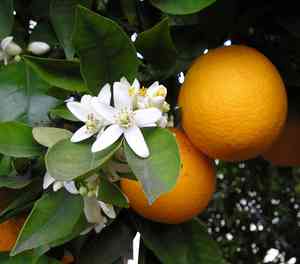
Citrus plants are characterized by their glossy, oval leaves, fragrant white flowers, and juicy fruits with a leathery rind. The fruits are typically round or oval with segmented flesh and a tangy flavor.
Scientific Classification of Citrus (Citrus)
Phylum
Magnoliophyta
Class
Magnoliopsida
Order
Sapindales
Family
Rutaceae
Genus
Citrus
Planting and Growing of Citrus (Citrus)
Care Difficulty
Moderate
Watering Schedule
Every 4 days
Sunlight Requirements
Full sun
Sunshine Duration
6-8 hours
Ideal Temperature
60-88℉
Soil Type
Potting Mix, Peat Mix
Soil pH
6-7.5
Fertilizer Type
Balanced
Pruning Season
Spring, Summer
Pruning Area
Branches, Leaves
Pruning Frequency
Once a year
Repotting Season
Spring
Pot Type
Terracotta, Plastic
 How to Water Citrus (Citrus)?
Citrus plants prefer their soil to be evenly moist but not waterlogged. A general rule of thumb is to allow the top inch of soil to dry out between waterings. Water thoroughly until water runs through the drainage holes, ensuring the roots receive an adequate amount of moisture without sitting in water.
What are the symptoms of an underwatered Citrus (Citrus)?
›
What should I do if my Citrus (Citrus) is not getting enough water?
›
What are the symptoms of an overwatered Citrus (Citrus)?
›
How to save an overwatered Citrus (Citrus)?
›
 What Are the Sunlight Requirements for Citrus (Citrus)?
Citrus plants ideally require full sun exposure, at least 6 to 8 hours daily, to ensure optimal growth, vibrant leaf color, and abundant fruiting, promoting healthier and more productive plants in the long term.
What is the best lighting condition for Citrus?
›
How can I ensure my Citrus plant gets ideal lighting conditions?
›
What benefits come from giving Citrus ideal light conditions?
›
 What Is the Ideal Temperature Range for Citrus (Citrus)?
The ideal temperature range for growing Citrus plants is between 60°F and 88°F. This range ensures optimal growth and productivity as Citrus plants thrive in warm climates. Maintaining temperatures within this range helps in flowering, fruit setting, and overall plant health. By providing these conditions, gardeners can ensure that the plants receive sufficient warmth without the risks associated with excessive heat or cold.
 What Soil is Best for Citrus (Citrus)?
Citrus requires well-drained soil to avoid root rot and other water-related diseases. This type of soil ensures that the roots receive enough oxygen, promoting healthy tree growth and fruit production. The soil must be rich in nutrients, particularly nitrogen, phosphorus, and potassium, to support the vigorous growth of citrus trees. These nutrients are crucial for lush foliage and bountiful fruiting. While drainage is important, the soil should also retain sufficient moisture. This balance is essential to maintain hydration and prevent water stress, especially during dry spells.
 How to Fertilize Citrus (Citrus)?
For Citrus plants, the ideal amount of fertilizer depends on the size and age of the tree. Young trees require about 1 cup of balanced fertilizer like 5-2-6 NPK per year, divided into several applications. Mature trees can benefit from 1 to 2 pounds of the same fertilizer mixture depending on their size and health. Always follow instructions on the fertilizer package and start with the lower recommended amount to avoid over-fertilization.
 How to Prune Citrus (Citrus)?
Begin by identifying dead or damaged branches as they can host pests or diseases. Cut these back to healthy wood to maintain tree health. Remove branches that cross or crowd each other. Thinning helps improve air circulation and light penetration, essential for fruit development. Prune the tree to maintain its shape, encouraging an open center which allows sunlight to reach the inner branches, enhancing growth and fruiting. Maintain regular pruning to manage the size of the tree and prevent overgrowth. Consistent pruning keeps the citrus tree healthy and promotes steady fruit production.
 How to Propagate Citrus (Citrus) plant?
1
Start by soaking seeds in water for a few hours to soften them, enhancing germination rates. Sow the seeds in a seedling tray filled with a well-draining potting mix, and cover lightly with soil. Keep the soil consistently moist and place the tray in a warm area to encourage sprouting.
2
Choose a healthy branch and cut a 6-8 inch segment just below a node. Remove the lower leaves, and dip the cut end in rooting hormone. Plant the cutting in a pot filled with moist potting mix. Ensure the cutting remains in high humidity, and provide indirect sunlight until roots develop.
3
Select a compatible rootstock and scion. Make a sloping cut on both to match them precisely. Join the cut surfaces tightly and secure with grafting tape or rubber bands. Place the grafted plant in a controlled environment, ensuring it receives indirect sunlight and adequate moisture.
 How to Repot Citrus (Citrus) plant?
1
Citrus plants often need repotting when their roots begin to circle the pot, or water drains too quickly. Another signal is yellowing leaves, which can indicate cramped roots or nutrient deficiency. The ideal time for repotting is during spring or summer when the plant is actively growing, allowing it to recover swiftly from the disturbance.
2
Select a pot that is one size larger than the current one, ensuring it has drainage holes to prevent waterlogging. The new pot should offer room for root expansion but not be excessively large; this balance allows the plant to establish its roots faster, reducing the risk of root rot and promoting healthy growth.
3
A well-draining citrus mix is essential for repotting. This soil type allows excess water to escape efficiently, which is crucial for preventing root rot. It also retains enough moisture to support citrus plant needs and is often enriched with the nutrients required to foster vigorous growth and fruit production.

