Citrus × aurantiifolia(Citrus × aurantiifolia)

Citrus × aurantiifolia (Citrus × aurantiifolia)

Also known as: Key Lime, Mexican Lime, Bartender's Lime

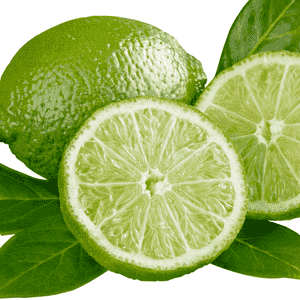
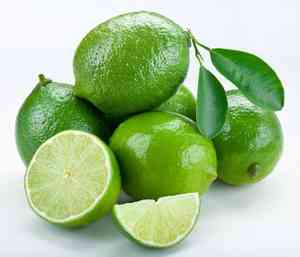
The Key lime, scientifically known as Citrus × aurantiifolia or simply C. aurantifolia, is a hybrid citrus fruit originated from tropical Southeast Asia. The fruit is characterized by its round shape, measuring about 1-2 inches in diameter. Often it is harvested green and turns yellow upon ripening. It outshines the Persian lime (Citrus × latifolia) with its thinner skin, smaller size, higher seed content, stronger acidity, and richer aroma. Its unique taste gives it high cultural value, notably as a vital flavor in the famous Key lime pie from Florida Keys, hence the origin of its name. Globally, it goes by different names such as West Indian lime, bartender's lime, Omani lime, and Mexican lime. The latter is recognized as a unique subtype due to its thicker skin and deeper green hue. In the Philippines, it is identified as dayap and bilolo among various other names.

Attributes of Citrus × aurantiifolia

Lifespan
Citrus × aurantiifolia, commonly known as Key Lime or Mexican lime, is a perennial plant that can live and produce fruit for over 50 years if properly cared for.
Plant Height
10-15 feet
Spread
6-8 feet
Leaf Color
Green
Flower Size
1 inch
Flower Color
White

ForwardPlant - Identify plants with a snap

Identify and diagnose plants, get toxicity alerts, and explore safety guides for all types of fungi.

Try for Free

Images of Citrus × aurantiifolia

Citrus × aurantiifolia(Citrus × aurantiifolia)

Quickly Identify Citrus × aurantiifolia

1
The Citrus × aurantiifolia can be identified by its small size, green skin when ripe, and unique tart flavor. The tree often carries thorns and the leaves are typically oblong or elliptic and arranged alternatively on the branches.

Scientific Classification of Citrus × aurantiifolia

Phylum
Tracheophyta
Class
Magnoliopsida
Order
Sapindales
Family
Rutaceae
Genus
Citrus
Species
C. × aurantiifolia

Planting and Growing of Citrus × aurantiifolia

Watering Schedule
Every 12 days
Sunlight Requirements
Full sun
Sunshine Duration
4-8 hours
Ideal Temperature
70-86℉
Soil Type
Potting Mix, Peat Mix
Soil pH
5.5-7.5
Fertilizer Type
Balanced
Pruning Season
Spring, Summer
Pruning Area
Branches, Leaves
Pruning Frequency
2 times a year
Repotting Season
Spring
Pot Type
Plastic, Ceramic

water icon How to Water Citrus × aurantiifolia?

When watering Citrus × aurantiifolia, aim to soak the soil up to 500ml per watering session. The goal is to keep the soil consistently moist but not waterlogged. Allow the top inch of soil to dry out between waterings to ensure the roots have sufficient air access and to prevent root rot.
What are the symptoms of an underwatered Citrus × aurantiifolia?
What should I do if my Citrus × aurantiifolia is not getting enough water?
What are the symptoms of an overwatered Citrus × aurantiifolia?
How to save an overwatered Citrus × aurantiifolia?

sunlight icon What Are the Sunlight Requirements for Citrus × aurantiifolia?

Sunlight Requirements: Full sun
Duration of light: 6-8 hours daily
Citrus × aurantiifolia requires full-day sun exposure, totaling 6-8 hours. This ideal lighting facilitates optimum energy capture for photosynthesis, boosting fruiting and foliage health.
Optimal Sunlight Exposure
Protection from Harsh Sunlight
Reflection Considerations

temperature icon What Is the Ideal Temperature Range for Citrus × aurantiifolia?

Ideal Temperature: 70 ~ 86℉
The ideal temperature range for Citrus × aurantiifolia is crucial as it ensures the plant can photosynthesize efficiently, maintain optimal growth rates, and produce quality fruit. Temperatures between 70°F and 86°F provide an environment that supports metabolic functions while minimizing stress.

soil icon What Soil is Best for Citrus × aurantiifolia?

Soil type: Sandy soil, Loam, Sandy loam
Soil PH: 5.5 ~ 7.5
Citrus × aurantiifolia thrives in well-draining soils because it prevents waterlogging and root rot, essential for overall plant health and growth. Adequate drainage ensures that the roots are sufficiently aerated, thus promoting robust fruit production. The plant requires nutrient-rich soil to support its vigorous growth and fruit development. Incorporating organic matter like compost enhances soil fertility, providing essential nutrients and improving soil structure for better water retention. While excellent drainage is crucial, the soil should retain enough moisture to steadily supply the plant without waterlogging. This balance ensures that the citrus plant receives a consistent water supply, crucial for its metabolic processes and growth.

fertilize icon How to Fertilize Citrus × aurantiifolia?

Fertilizer type: Balanced
For Citrus × aurantiifolia, it is advisable to use balanced fertilizers with a nitrogen-phosphorous-potassium ratio (NPK) like 6-6-6 or 8-8-8. When applying liquid fertilizer, use it at half the strength recommended on the label to avoid potential root burn.

prune icon How to Prune Citrus × aurantiifolia?

Pruning Time: Spring, Summer, Autumn
Begin pruning by sterilizing your pruning tools to prevent the spread of disease. Identify dead, damaged, or crossing branches, and carefully remove these using clean cuts. Always make cuts close to the trunk or parent stem, avoiding leaving stubs. Trim the tree into an open vase shape, allowing sunlight to penetrate the center. This not only helps in reducing pest infestations but also improves fruit quality. Finally, remove any suckers growing at the base of the tree, as they can divert essential nutrients from the main tree.

propagate icon How to Propagate Citrus × aurantiifolia plant?

Propagate Time: Spring, Early Summer, Autumn
1
Collect fresh seeds from ripe fruits and clean them thoroughly. Dry them for a day or two before sowing them in a suitable potting mix. Maintain consistent moisture levels for optimal germination.
2
Select healthy, disease-free stems and cut them at a 45-degree angle. Remove excess leaves to reduce transpiration and dip the cut ends in rooting hormone to promote root growth.
3
Select a healthy rootstock and scion. Make matching cuts on both pieces and secure them together with grafting tape. Ensure that the cambium layers align to promote successful healing and fusion.

repot icon How to Repot Citrus × aurantiifolia plant?

Repotting frequency: Every 2-3 years
1
Citrus × aurantiifolia needs repotting when roots start encircling the pot, indicating it's root-bound. Another signal is when water quickly drains through, suggesting poor soil absorption. These signals typically appear every 2-3 years, depending on the plant’s growth rate and pot size.
2
Select a pot that is one size larger than the current one. Ensure it has drainage holes to prevent waterlogging. The pot should be sturdy to support the weight of the soil and plant. A slightly bigger pot facilitates root growth and prevents nutrient depletion, promoting healthier plant development.
3
The ideal soil should be light and well-draining, typically a mix for citrus or a general well-balanced potting mix. Adding perlite or sand can enhance drainage, crucial for preventing root rot. This soil type helps maintain optimal moisture levels and supports the plant’s nutritional needs.

ForwardPlant - Identify plants with a snap

Find the best spots for them to optimize their health, simply using your phone.

Try for Free