
Hardy orange (Citrus trifoliata)
Also known as: Chinese bitter orange, Bitter orange
Originating from Northern China and Korea, the hardy orange stands out with its prominent 3 to 5 cm thorns on the branches and its deciduous foliage. Uniquely, its fruit features a peach-like fuzz. Despite its pronounced bitterness, the ripe fruit is often utilized to make marmalade.
Attributes of Hardy orange
Images of Hardy orange
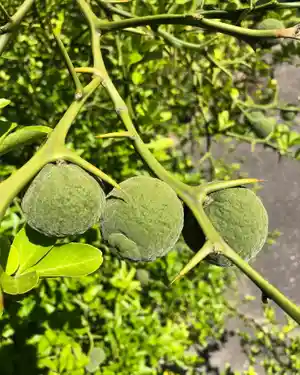


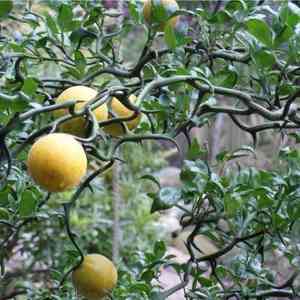
Quickly Identify Hardy orange
Scientific Classification of Hardy orange
Planting and Growing of Hardy orange
 How to Water Hardy orange?
 What Are the Sunlight Requirements for Hardy orange?
 What Is the Ideal Temperature Range for Hardy orange?
 What Soil is Best for Hardy orange?
 How to Fertilize Hardy orange?
 How to Prune Hardy orange?
 How to Propagate Hardy orange plant?
 How to Repot Hardy orange plant?
Toxicity of Hardy orange
Is Hardy orange toxic to cat?
The hardy orange is recognized as toxic to cats. If cats accidentally ingest any parts of this plant, particularly its fruits, they may become poisoned. Symptoms following the consumption of hardy orange can vary, ranging from mild discomfort to more serious indications of illness in cats. It is crucial to monitor cats closely if poisoning is suspected and to quickly seek veterinary assistance to guarantee their health and safety.
Is Hardy orange toxic to dog?
The hardy orange plant is regarded as toxic to dogs. Dogs may inadvertently consume various parts of this plant, especially the fruits, which are recognized for their poisonous properties. When a dog ingests any component of the hardy orange, they could display symptoms such as gastrointestinal distress, vomiting, diarrhea, or more serious reactions based on the quantity ingested. It is essential for dog owners to keep a vigilant watch over their pets and restrict their access to hardy orange. Should a dog happen to consume this plant, prompt veterinary intervention is vital to address any possible poisoning.



