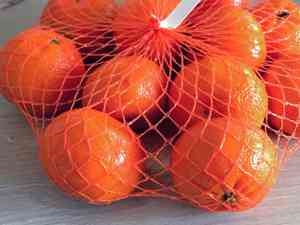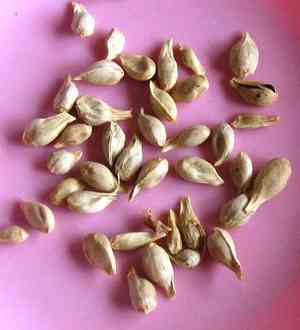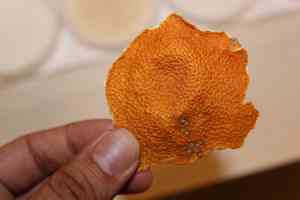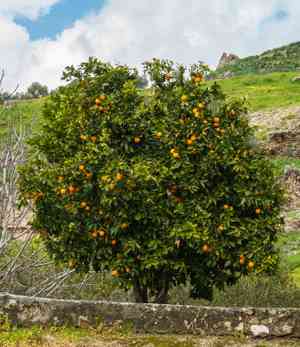
Mandarin orange(Citrus reticulata)

Mandarin orange (Citrus reticulata)

Also known as: Clementine tree, Mandarine

The mandarin orange tree (Citrus reticulata) is known for its sweet and easy-to-peel fruit, often enjoyed on its own or added to salads. This fruit is also a traditional symbol of good luck during the Chinese New Year celebrations.

Attributes of Mandarin orange

Lifespan
Perennial
Plant Type
Shrub, Tree
Plant Height
1 m to 3 m
Spread
6 m
Leaf Color
Green
Flower Size
1.5 cm
Flower Color
White

ForwardPlant - Identify plants with a snap

Identify and diagnose plants, get toxicity alerts, and explore safety guides for all types of fungi.

Try for Free

Images of Mandarin orange

Mandarin orange(Citrus reticulata)

Quickly Identify Mandarin orange

1
Citrus reticulata can be identified by its smaller, brightly colored, and slightly flattened fruits. The skin is loose and peels off easily. The leaves are dark green, glossy, and slightly lanceolated. The flowers are white and fragrant.

Scientific Classification of Mandarin orange

Phylum
Vascular plants
Class
Dicotyledons
Order
Maples, mangos, mahogany, citrus, and allies
Family
Rue
Genus
Citrus
Species
Mandarin orange

Planting and Growing of Mandarin orange

Care Difficulty
Easy
Watering Schedule
Every 4 days
Sunlight Requirements
Full sun
Sunshine Duration
4-8 hours
Ideal Temperature
60-85℉
Soil Type
Potting Mix, Peat Mix
Soil pH
6.5-7.5
Fertilizer Type
Balanced
Pruning Season
Spring, Summer
Pruning Area
Branches, Leaves
Pruning Frequency
2 times a year
Repotting Season
Spring
Pot Type
Ceramic, Plastic

water icon How to Water Mandarin orange?

For Citrus reticulata, ensure the soil is consistently moist, but not waterlogged. Water the plant thoroughly, allowing the water to reach the root zone without oversaturating it. This typically means 500 ml per session, or enough to fully dampen the top layer of soil but ensure that excess water drains out appropriately.
What are the symptoms of an underwatered Mandarin orange?
What should I do if my Mandarin orange is not getting enough water?
What are the symptoms of an overwatered Mandarin orange?
How to save an overwatered Mandarin orange?
More About Watering Techniques

sunlight icon What Are the Sunlight Requirements for Mandarin orange?

Sunlight Requirements: Full sun, Partial sun
Duration of light: 6-8 hours daily
Citrus reticulata prefers full sun to partial sun, thriving best with 6-8 hours of light daily. This ideal range ensures vigorous growth, high fruit yield, and quality, maintaining overall plant wellness.
How much sunlight does Citrus reticulata need?
What happens if ideal light is not provided?
Can Citrus reticulata tolerate shade?
More About Sunlight Requirements Techniques

temperature icon What Is the Ideal Temperature Range for Mandarin orange?

Ideal Temperature: 60 ~ 85℉
The ideal temperature range for the growth of Citrus reticulata, commonly known as the mandarin tree, is typically between 60°F and 85°F. This range ensures optimal growth conditions, allowing the plant to photosynthesize effectively, develop robust foliage, and produce high-quality fruits. Maintaining temperatures within this range also helps reduce stress on the plant, thereby minimizing the risk of pest invasions and diseases. Consistency within these temperatures promotes healthy metabolic functions in the plant, encouraging regular fruiting cycles and prolonged lifespan.

soil icon What Soil is Best for Mandarin orange?

Soil type: Loam, Sandy loam
Soil PH: 6.5 ~ 7.5
Citrus reticulata thrives in well-drained soil, preventing waterlogging and root rot. Good drainage allows roots to breathe and access important nutrients, ensuring healthy growth and abundant fruiting. Incorporating organic matter into the soil provides essential nutrients and improves soil structure. This enhances root development and supports the overall health and productivity of the plant. Maintaining consistent soil moisture is crucial for Citrus reticulata, as fluctuations can stress the plant. Adequate irrigation promotes steady growth and boosts resistance to pests and diseases. More About Soil

fertilize icon How to Fertilize Mandarin orange?

Fertilizer type: Balanced
For Citrus reticulata, it is important not to overwhelm the plant with excessive nutrients. Typically, apply about half a pound of balanced fertilizer per tree every time you fertilize, adjusting according to the plant's size and age. More About Fertilizing Techniques

prune icon How to Prune Mandarin orange?

Pruning Time: Spring, Summer, Autumn, Winter
Start by examining your Citrus reticulata for dead or diseased branches. Remove these first as they can be detrimental to the tree's health. Cuts should be made at a 45-degree angle to encourage water runoff and prevent rot. To maintain a pleasing and productive shape, prune back any branches that cross over each other or grow inward. The goal is to open up the center of the tree to sunlight and air, which promotes healthy growth and minimizes disease risk. Focus on branches that unbalance the tree’s shape or grow too long. Trimming these back encourages a fuller appearance. Make cuts above a leaf node where possible to promote branching, which leads to better yield. More About Pruning Techniques

propagate icon How to Propagate Mandarin orange plant?

Propagate Time: Spring, Early summer, Autumn
1
Collect fresh seeds from ripe Citrus reticulata fruits. Ensure seeds are washed and free of pulp to prevent mold growth. Dry the seeds slightly before planting.
2
Select healthy stems for cuttings, about 4 to 6 inches long, with a few leaves attached. Make a clean cut just below a node to encourage rooting.
3
Grafting involves joining a scion from a desired cultivar to a rootstock. Use the T-budding or whip grafting technique, ensuring the cambium layers align for success.
More About Propagating Techniques

repot icon How to Repot Mandarin orange plant?

Repotting frequency: Every 2-3 years
1
The ideal time to repot Citrus reticulata is when roots start emerging from the drainage holes or the plant appears to outgrow its pot. The best season for this process is late spring or early summer when the plant is actively growing. Ensure the plant has not been watered for a day or two to help the old soil detachment.
2
Choose a pot that's just one size larger than the current one. This prevents excessive soil that may retain too much moisture, leading to root rot. Opt for pots with good drainage to allow excess water to escape easily, ensuring the roots do not sit in water, which citrus plants strongly dislike.
3
A well-draining citrus soil is ideal for Citrus reticulata. This type of soil mix often contains sand, peat, and perlite, providing the perfect blend to retain some moisture while also allowing excess to drain away. This mimics the natural growing conditions and encourages healthy root development.
More About Repotting Techniques

ForwardPlant - Identify plants with a snap

Find the best spots for them to optimize their health, simply using your phone.

Try for Free

Toxicity of Mandarin orange

Is Mandarin orange toxic to cat?

Mandarin orange is recognized as toxic to cats, who may inadvertently come into contact with this toxicity by consuming the fruit. Following the ingestion of mandarin orange, cats may show signs of distress or illness, thereby indicating the harmful effects of the plant. It is essential for cat owners to remain cautious and prevent their pets from accessing mandarin oranges. In the event that a cat consumes this fruit and shows any adverse reactions, it is crucial to seek prompt veterinary assistance to safeguard the health and welfare of the pet.

Is Mandarin orange toxic to dog?

The mandarin orange is regarded as toxic to dogs, posing a risk if they accidentally consume it. The primary concern centers on the fruit of the mandarin orange, which is recognized as the toxic component of the plant. When a dog ingests mandarin orange, it may display a range of symptoms associated with poisoning. It is essential for dog owners to keep a vigilant eye on their pets for any indicators of distress, including gastrointestinal issues, vomiting, diarrhea, or more severe reactions based on the quantity consumed. Should a dog ingest mandarin orange, it is critical to seek prompt veterinary attention to ensure appropriate treatment and management of the poisoning.

Identify toxic plants for your safety

Learn which plants are harmful to you and your pets, and make informed choices for a safer home!

Try for Free
WARNING
The judgment on toxicity and danger is for reference only. We DO NOT GUARANTEE any accuracy of such judgment. Therefore, you SHALL NOT rely on such judgment. It is IMPORTANT TO SEEK PROFESSIONAL ADVICE in advance when necessary.
More About Toxic Techniques