Lemon(Citrus limon)

Lemon (Citrus limon)

Also known as: Meyer lemon

The lemon is a small evergreen tree recognized for its yellow, juicy, and sour fruits rich in citric acid. The exact origins of the lemon are unclear, but it is believed to have been first developed in the regions of northeastern India, northern Myanmar, or China as a hybrid between the sour orange (Citrus × aurantium) and the citron (Citrus medica). Today, lemons are commercially cultivated in warm climates worldwide.

Attributes of Lemon

Lifespan
Perennial
Plant Type
Shrub, Tree
Plant Height
2 m to 6 m
Spread
1 m to 2.5 m
Leaf Color
Green
Flower Size
1.5 cm to 2 cm
Flower Color
White

ForwardPlant - Identify plants with a snap

Identify and diagnose plants, get toxicity alerts, and explore safety guides for all types of fungi.

Try for Free

Images of Lemon

Lemon(Citrus limon)
Lemon(Citrus limon)
Lemon(Citrus limon)

Quickly Identify Lemon

1
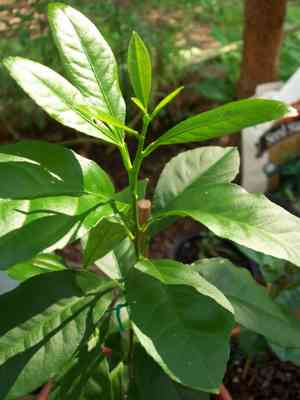
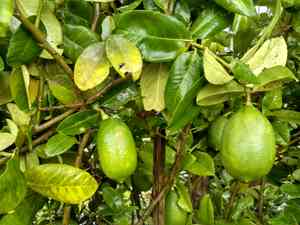
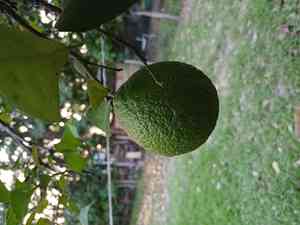
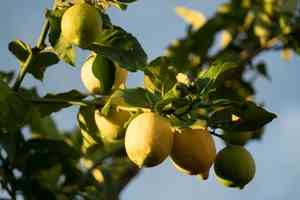
Lemon trees are recognizable by their elliptic to ovate leaves with serrated edges, fragrant white flowers with a pinkish tinge, and bright yellow, oval-shaped fruit. The fruit has a thick, bumpy rind and acidic, juicy flesh.

Scientific Classification of Lemon

Phylum
Vascular plants
Class
Dicotyledons
Order
Maples, mangos, mahogany, citrus, and allies
Family
Rue
Genus
Citrus
Species
Lemon

Planting and Growing of Lemon

Care Difficulty
Easy
Watering Schedule
Every 8 days
Sunlight Requirements
Full sun
Sunshine Duration
4-8 hours
Ideal Temperature
60-80℉
Soil Type
Potting Mix, Peat Mix
Soil pH
5.5-7.5
Fertilizer Type
Balanced
Pruning Season
Spring, Summer
Pruning Area
Branches, Leaves
Pruning Frequency
2 times a year
Repotting Season
Spring
Pot Type
Terracotta, Plastic

water icon How to Water Lemon?

When watering Citrus limon, aim for a thorough soaking every time. This means the water should penetrate deeply into the soil, effectively reaching the roots. A general guideline is to apply approximately 500 milliliters of water per session, which will ensure that the soil is moist but not waterlogged.
What are the symptoms of an underwatered Lemon?
What should I do if my Lemon is not getting enough water?
What are the symptoms of an overwatered Lemon?
How to save an overwatered Lemon?
More About Watering Techniques

sunlight icon What Are the Sunlight Requirements for Lemon?

Sunlight Requirements: Full sun, Partial sun
Duration of light: 6-8 hours sunlight
Citrus limon thrives in full to partial sun environments. Ideal lighting ensures effective photosynthesis, enhancing growth, and fruit yield, and maintaining overall plant health.
What is the ideal light source for Citrus limon?
How can Citrus limon attain this ideal light source indoors?
What are the benefits of Citrus limon receiving ideal sunlight?
More About Sunlight Requirements Techniques

temperature icon What Is the Ideal Temperature Range for Lemon?

Ideal Temperature: 60 ~ 80℉
The ideal temperature range for growing Citrus limon is between 60°F to 80°F. This range promotes optimal growth and fruit production. Maintaining these temperatures ensures the plant has the necessary environment to absorb nutrients and carry out photosynthesis effectively.

soil icon What Soil is Best for Lemon?

Soil type: Sandy loam, Loam
Soil PH: 5.5 ~ 7.5
Citrus limon thrives in well-drained soil as excess water can lead to root rot. Ensuring proper drainage helps maintain healthy roots and promotes vigorous growth. This plant benefits from a nutrient-rich soil that supplies ample nitrogen, phosphorus, and potassium. Such nutrients support blossoming, fruit development, and overall plant vitality. Citrus limon prefers soil that retains some moisture but never becomes soggy. Moderate moisture retention aids in sustained water availability without suffocating the roots. More About Soil

fertilize icon How to Fertilize Lemon?

Fertilizer type: Balanced
Citrus limon benefits from a balanced fertilizer with equal parts nitrogen, phosphorus, and potassium. During the growing season, typically from early spring to late summer, apply a liquid fertilizer every two weeks. Use a diluted solution of all-purpose fertilizer, following the label's dosage instructions closely to avoid over-fertilization. More About Fertilizing Techniques

prune icon How to Prune Lemon?

Pruning Time: Spring, Summer, Autumn
Before you start pruning your Citrus limon, take a close look at the tree. Identify dead or diseased branches, crossing limbs, or shoots growing towards the center of the tree. The idea is to promote a healthy, open canopy. Start by cutting away any dead, damaged, or diseased branches. Use a clean, sharp pruner and make your cuts close to the base to prevent leaving stubs that can become sites of infection. Trim back overlong branches to the nearest outward-facing bud to encourage the desired shape. Aim for an open-center pruning style to allow more sunlight and air to penetrate, promoting a healthy and fruitful tree. Remove any root suckers or water sprouts growing from the base or interior of the tree. These fast-growing shoots can drain energy from the main canopy and reduce overall fruit production if left unchecked. More About Pruning Techniques

propagate icon How to Propagate Lemon plant?

Propagate Time: Early spring, Spring, Late spring
1
Choose a vibrant and disease-free parent plant. This ensures the cuttings or seeds have the highest chance of success due to their robust genetic material.
2
Cut a healthy branch 6-8 inches long with a clean, sharp shear. Remove leaves from the lower two-thirds and dip the cut end in rooting hormone to encourage root development.
3
For cuttings, plant them in a well-drained growing medium like a mixture of peat and perlite. For seeds, sow them just below the surface of the soil. Ensure the soil remains moist but not waterlogged.
More About Propagating Techniques

repot icon How to Repot Lemon plant?

Repotting frequency: Every 2-3 years
1
Citrus limon should be repotted when its roots begin to outgrow the current pot, usually evidenced by roots protruding from the drainage holes or visible circling on the top of the soil. This typically happens every 2-3 years. Spring is the preferred season, as the plant is actively growing, allowing it to recover more quickly from the stress of repotting.
2
Select a pot that is 1-2 inches larger in diameter than the current one. It should have ample drainage holes to prevent waterlogging. A pot that aids in efficient drainage is essential because citrus roots are sensitive to standing water, which can lead to root rot. A clay pot is often a good choice as it allows excess moisture to evaporate more readily than plastic.
3
Use a well-draining citrus potting mix enriched with organic matter. A good blend typically contains peat, perlite, and bark. Such soil provides excellent aeration and optimal drainage, which are crucial for healthy citrus root development. It also helps retain sufficient moisture without becoming waterlogged, promoting optimal growing conditions.
More About Repotting Techniques

ForwardPlant - Identify plants with a snap

Find the best spots for them to optimize their health, simply using your phone.

Try for Free

Toxicity of Lemon

Is Lemon toxic to cat?

While lemons (Citrus limon) are tasty for people, they are extremely toxic to cats in all their components, including the leaves, seeds, and fruit. The toxicity comes from three compounds: limonene, linalool, and psoralen, which can lead to symptoms such as vomiting, lethargy, depression, tremors, and potentially death. Even a small bite of this plant requires immediate veterinary care.

Is Lemon toxic to dog?

Lemon (Citrus limon) possesses various compounds that can be categorized as mildly to moderately toxic to dogs. Consuming a small quantity of the fruit, leaves, or bark from the tree is generally not expected to cause significant harm. However, symptoms may include nausea, cold extremities, vomiting, and excessive drooling. A larger ingestion can lead to more severe symptoms, such as phototoxicity, tremors, liver failure, and, in rare instances, death.

Identify toxic plants for your safety

Learn which plants are harmful to you and your pets, and make informed choices for a safer home!

Try for Free
WARNING
The judgment on toxicity and danger is for reference only. We DO NOT GUARANTEE any accuracy of such judgment. Therefore, you SHALL NOT rely on such judgment. It is IMPORTANT TO SEEK PROFESSIONAL ADVICE in advance when necessary.
More About Toxic Techniques