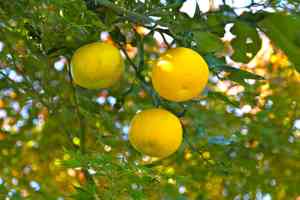
Yuzu (Citrus junos)
Also known as: Yuzu
Yuzu is an evergreen tree originally from Japan. It has glossy, oval leaves that release a refreshing aroma. The fruit, also called yuzu, is known for its unique sour taste and is commonly used in dishes like ponzu sauce and tea.
In This Article
Attributes of Yuzu
Lifespan
Perennial
Plant Type
Shrub, Tree
Plant Height
1.8 m
Spread
1.5 m
Leaf Color
Green
Flower Size
2-3 cm
Flower Color
White
Images of Yuzu
Quickly Identify Yuzu
1
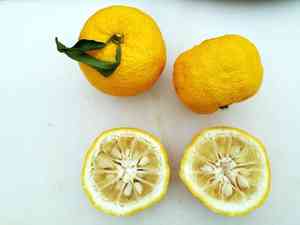
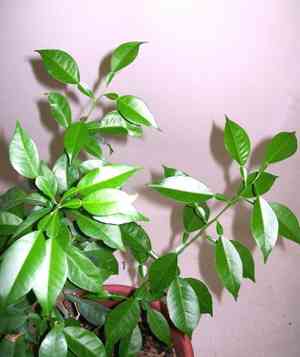
Yuzu trees are characterized by their thorny branches and can reach a height of 2-4 meters. The leaves are long and narrow, with a unique lantern-like petiole. The fruit is round, with a rough, bumpy skin that turns yellow when ripe. The aroma of yuzu is distinct, combining the scent of lime, lemon, and grapefruit.
Scientific Classification of Yuzu
Phylum
Vascular plants
Class
Dicotyledons
Order
Maples, mangos, mahogany, citrus, and allies
Family
Rue
Genus
Citrus
Species
Yuzu
Planting and Growing of Yuzu
Care Difficulty
Moderate
Watering Schedule
Every 4 days
Sunlight Requirements
Full sun
Sunshine Duration
4-6 hours
Ideal Temperature
55-77℉
Soil Type
Potting Mix, Peat Mix
Soil pH
5.5-6.5
Fertilizer Type
Balanced
Pruning Season
Spring, Summer
Pruning Area
Branches, Leaves
Pruning Frequency
2 times a year
Repotting Season
Spring
Pot Type
Plastic, Ceramic
 How to Water Yuzu?
For the Citrus junos, it's important to water thoroughly until about 500 ml has drained through the soil. Ensure the top layer of the soil feels dry before the next watering. Consistency is key; too much or too little water can stress the plant.
What are the symptoms of an underwatered Yuzu?
›
What should I do if my Yuzu is not getting enough water?
›
What are the symptoms of an overwatered Yuzu?
›
How to save an overwatered Yuzu?
›
 What Are the Sunlight Requirements for Yuzu?
Citrus junos flourishes in full to partial sun, with the ideal light fostering robust growth, enhancing chlorophyll production, vital for the vigorous development and high fruit yield.
Optimal Sun Exposure
›
Balancing Shade and Sun
›
Implementing Indoor Light Solutions
›
 What Is the Ideal Temperature Range for Yuzu?
Citrus junos, also known as Yuzu, thrives best in temperatures between 55°F to 77°F. These temperatures allow for optimal photosynthesis and metabolism, promoting robust growth and fruit production. In this range, the plant can nurture its flowers and develop flavorful fruit in abundance.
 What Soil is Best for Yuzu?
Citrus junos thrives best in well-drained soil to prevent root rot. This soil type ensures that water doesn't pool around the roots, which can lead to fungal diseases. A well-drained environment promotes healthy root growth, essential for nutrient uptake. While Citrus junos requires well-drained soil, it also benefits from soil that can retain moderate moisture levels. This helps maintain consistent hydration for the plant, preventing stress due to dehydration, especially in warm climates or during dry spells. Soil rich in organic matter supports the growth of Citrus junos by providing essential nutrients. Organic matter also improves overall soil structure, enhancing aeration and nutrient availability, which are crucial for the plant's health and fruit production.
 How to Fertilize Yuzu?
For Citrus junos, it's important to provide nutrients without overwhelming the plant. Use about 1 cup (approximately 240 ml) of liquid fertilizer per month, ensuring it's diluted according to manufacturer instructions to avoid burning the roots.
 How to Prune Yuzu?
Begin by identifying dead, diseased, or damaged branches and remove them first. Then, look for branches that criss-cross or grow inward and prune those to open up the canopy. Always cut at a slight angle about 1/4 inch above a node or bud. The best time to prune Citrus junos is during late winter when the plant is dormant, as this timing encourages vigorous spring growth. Avoid pruning during the fruiting stage, as this can reduce yield and stress the plant.
 How to Propagate Yuzu plant?
1
Start by extracting seeds from a mature Citrus junos fruit and clean them thoroughly to remove any pulp. Allow the seeds to dry slightly, then soak them in warm water for 24 hours to enhance germination.
2
Select healthy branches with no disease signs and cut them at an angle. Remove the leaves from the lower half to direct energy into root development. Dip the cut end into rooting hormone to stimulate root growth.
3
Choose a compatible rootstock and perform a T-budding or cleft grafting technique. Ensure that the cambium layers are in contact to facilitate successful grafting.
 How to Repot Yuzu plant?
1
Citrus junos should be repotted when you notice roots protruding from the drainage holes or if growth significantly slows down despite optimal conditions. Spring and autumn are ideal seasons as these times foster recovery and root establishment. Keep an eye on the plant’s health, especially if the leaves become yellow despite good care.
2
Pick a pot that is 2-3 inches larger in diameter than the current one, with adequate drainage holes. This allows room for growth and prevents root rot. Opting for clay or terracotta provides better moisture management, plus their porous nature helps in air circulation for the roots—a boon for healthy plant development.
3
Citrus junos thrives best in a citrus-specific potting mix, which ensures proper drainage and aeration. This type of soil prevents root rot while providing a balanced supply of nutrients essential for the plant's robust growth, ensuring your citrus enjoys a rich and fulfilling life in its new pot.



