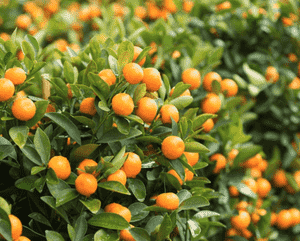
Kumquat (Citrus japonica)
Also known as: Cumquats, Marumi kumquat
The kumquat is a cold-tolerant evergreen citrus tree. During spring, it produces fragrant white blossoms. Its small, edible orange fruits can be consumed whole. The kumquat also thrives well when grown in containers.
Attributes of Kumquat
Images of Kumquat
Quickly Identify Kumquat
Scientific Classification of Kumquat
Planting and Growing of Kumquat
 How to Water Kumquat?
 What Are the Sunlight Requirements for Kumquat?
 What Is the Ideal Temperature Range for Kumquat?
 What Soil is Best for Kumquat?
 How to Fertilize Kumquat?
 How to Prune Kumquat?
 How to Propagate Kumquat plant?
 How to Repot Kumquat plant?
Toxicity of Kumquat
Is Kumquat toxic to cat?
Kumquat is harmful to cats and can present a significant health danger if consumed. Cats might inadvertently eat the fruits, which are the toxic components of kumquat, resulting in poisoning. Following ingestion, a cat may exhibit signs of physical distress or illness. It is crucial for cat owners to monitor their pets' access to kumquat and to promptly seek veterinary assistance if they believe their cat has ingested any part of this plant.
Is Kumquat toxic to dog?
Kumquat is regarded as toxic to dogs. The main route through which dogs may experience poisoning is by accidentally consuming the fruits of the plant. Should a dog eat any parts of kumquat, they could show signs such as stomach distress, vomiting, or diarrhea. It is vital for dog owners to keep a close watch on their pets and restrict access to kumquat fruits to mitigate the risk of poisoning. If a dog happens to ingest any portion of kumquat, it is imperative to seek prompt veterinary assistance to secure the optimal health outcome for the animal.



