Kaffir lime(Citrus hystrix)

Kaffir lime (Citrus hystrix)

Also known as: Thai lime, Leech lime, Kieffer lime, Combavas

The kaffir lime tree, which can reach up to 1.5 meters in height, thrives indoors when placed in a well-lit, sunny location. Its unique, double-lobed leaves and tart fruits are key ingredients in numerous Southeast Asian recipes, including Thai curries and soups. In addition to their culinary uses, the fruits are also utilized in natural cleaning products and hair care solutions.

Attributes of Kaffir lime

Lifespan
Perennial
Plant Type
Shrub
Plant Height
2 m to 11 m
Spread
2 m
Leaf Color
Green
Flower Size
1 to 2 centimeters
Flower Color
White

ForwardPlant - Identify plants with a snap

Identify and diagnose plants, get toxicity alerts, and explore safety guides for all types of fungi.

Try for Free

Images of Kaffir lime

Kaffir lime(Citrus hystrix)

Quickly Identify Kaffir lime

1
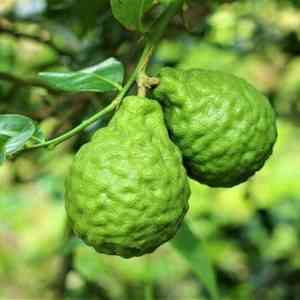
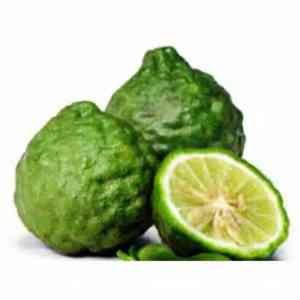
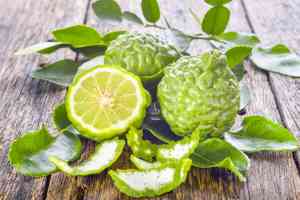
The leaves of Citrus hystrix are distinctively double-lobed, resembling an hourglass or a figure eight. The fruit has a bumpy surface and is green when unripe, turning yellow as it matures. The strong, citrusy aroma of the leaves is another distinct identification feature.

Scientific Classification of Kaffir lime

Phylum
Vascular plants
Class
Dicotyledons
Order
Sapindales
Family
Rue
Genus
Citrus
Species
Kaffir lime

Planting and Growing of Kaffir lime

Care Difficulty
Hard
Watering Schedule
Every 2 days
Sunlight Requirements
Full sun
Sunshine Duration
4-8 hours
Ideal Temperature
70-90℉
Soil Type
Potting Mix, Peat Mix
Soil pH
6.5-7.5
Fertilizer Type
Balanced
Pruning Season
Spring, Summer
Pruning Area
Branches, Leaves
Pruning Frequency
2 times a year
Repotting Season
Spring
Pot Type
Plastic, Ceramic

water icon How to Water Kaffir lime?

Citrus hystrix prefers to be watered thoroughly, allowing the water to penetrate deep into the soil. It's essential to ensure the soil is moist but not waterlogged. A good rule of thumb is to water until you see excess water draining from the bottom of the pot.
What are the symptoms of an underwatered Kaffir lime?
What should I do if my Kaffir lime is not getting enough water?
What are the symptoms of an overwatered Kaffir lime?
How to save an overwatered Kaffir lime?
More About Watering Techniques

sunlight icon What Are the Sunlight Requirements for Kaffir lime?

Sunlight Requirements: Full sun, Partial sun
Duration of light: 6 to 8 hours
Citrus hystrix thrives in full to partial sunlight, ideally receiving six to eight hours of daily sun. These conditions support robust growth, vibrant leaf color, and ample blossom production.
How does Citrus hystrix benefit from ideal lighting conditions?
What is the best strategy to achieve ideal lighting?
What are the benefits of achieving these ideal lighting conditions?
More About Sunlight Requirements Techniques

temperature icon What Is the Ideal Temperature Range for Kaffir lime?

Ideal Temperature: 70 ~ 90℉
The ideal temperature for Citrus hystrix, commonly known as Kaffir lime, ranges between 70°F and 90°F. This tropical plant thrives best in warm conditions typical of its native Southeast Asian climate. Maintaining consistent temperatures within this range facilitates optimal growth and leaf production, contributing to the plant's health and resilience.

soil icon What Soil is Best for Kaffir lime?

Soil type: Loam, Sandy loam
Soil PH: 6.5 ~ 7.5
Citrus hystrix thrives in soil that ensures efficient drainage, preventing waterlogging that can lead to root rot. This kind of soil emulates its natural habitat and minimizes the risk of overwatering, fostering healthier root systems. The plant requires a soil that is moderately rich in organic matter, which supports abundant foliage and fruit production. Organic matter enhances soil fertility, ensuring a steady supply of essential nutrients. Loamy soil provides an ideal balance of moisture retention and drainage, essential for Citrus hystrix. This texture helps maintain optimal root health by providing both aeration and moisture control. More About Soil

fertilize icon How to Fertilize Kaffir lime?

Fertilizer type: Balanced
For Citrus hystrix, it's crucial to strike a balance with nutrients. When applying liquid fertilizer, a concentration of roughly 500 ppm nitrogen every two weeks is ideal during the growing season. For slow-release granules, an application rate of about 1 pound per tree every four months should suffice, ensuring nutrients are available consistently without overwhelming the plant. More About Fertilizing Techniques

prune icon How to Prune Kaffir lime?

Pruning Time: Spring, Summer
Begin by sterilizing your pruning shears to prevent disease spread. Identify and remove any dead or diseased branches. Next, trim any branches that are crossing or rubbing against each other to prevent damage. Shape the tree by cutting back long or misplaced branches to encourage outward growth and maintain your desired form. Pruning should open the plant's canopy to allow more sunlight to reach all parts of the tree. This helps in preventing fungal diseases and supports healthy fruit development. Cut back dense clusters of foliage to enable better air circulation. More About Pruning Techniques

propagate icon How to Propagate Kaffir lime plant?

Propagate Time: Early spring, Late spring, Early summer
1
Begin by harvesting seeds from a mature Citrus hystrix fruit. Clean the seeds to remove any pulp and let them dry for a few days. This process helps prevent fungal growth during germination.
2
Select healthy branches and cut 6-8 inch long sections. Remove leaves from the lower half of the cutting and dip the cut end into rooting hormone to stimulate root growth.
3
Use a sharp knife to make a clean cut on both the rootstock and the scion. Align the cambium layers and bind them securely with grafting tape, ensuring no movement as they heal.
More About Propagating Techniques

repot icon How to Repot Kaffir lime plant?

Repotting frequency: Every 2-3 years
1
Citrus hystrix should be repotted when you notice roots protruding from the pot's drainage holes or the plant shows stunted growth. Repotting in early spring or summer helps the plant establish itself before its active growth period. A good indication is when the plant looks top-heavy or water drains too quickly from the pot.
2
Select a pot that is 1-2 inches bigger in diameter than the current one, with ample drainage holes. The material, whether terracotta or plastic, should suit your watering habits. A slightly larger pot prevents the plant from becoming root-bound while ensuring room for growth, promoting healthier roots and foliage.
3
Opt for a well-draining soil mix that retains some moisture. A mix containing peat, perlite, and coarse sand is excellent. This type of soil balance prevents root rot by draining excess water while keeping the necessary moisture for nutrient absorption, essential for Citrus hystrix' vigorous growth.
More About Repotting Techniques

ForwardPlant - Identify plants with a snap

Find the best spots for them to optimize their health, simply using your phone.

Try for Free

Toxicity of Kaffir lime

Is Kaffir lime toxic to cat?

Kaffir lime presents a moderate toxicity hazard for cats. Exposure happens when a cat consumes any portion of the plant. After ingesting kaffir lime, cats may show signs of physical distress including gastrointestinal upset or other ailments. Since the whole plant is toxic, it is essential to keep cats away from kaffir lime to prevent contact. If there is a suspicion that a cat has ingested kaffir lime, it is critical to obtain prompt veterinary care to alleviate the poisoning effects.

Is Kaffir lime toxic to dog?

Kaffir lime presents a moderate risk of toxicity to dogs. Canines may experience poisoning if they consume any part of this plant, as all portions are regarded as toxic. If a dog ingests kaffir lime, it may show symptoms including gastrointestinal distress, vomiting, diarrhea, or more severe reactions, depending on the quantity consumed. Given the possible health threats, it is essential for dog owners to vigilantly supervise their pets and restrict their access to kaffir lime. Should there be any suspicion of poisoning, prompt veterinary attention is vital to secure the best possible outcome for the affected dog.

Identify toxic plants for your safety

Learn which plants are harmful to you and your pets, and make informed choices for a safer home!

Try for Free
WARNING
The judgment on toxicity and danger is for reference only. We DO NOT GUARANTEE any accuracy of such judgment. Therefore, you SHALL NOT rely on such judgment. It is IMPORTANT TO SEEK PROFESSIONAL ADVICE in advance when necessary.
More About Toxic Techniques