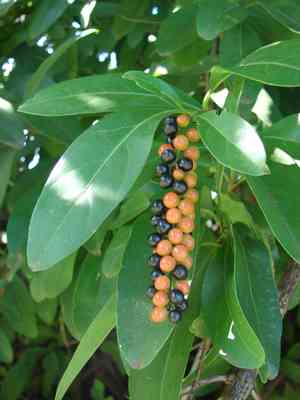
Fiddlewoods (Citharexylum) (Citharexylum)
Also known as: Fiddlewood, Lady's Cigar-tree
Fiddlewood trees, belonging to the genus Citharexylum, are native to the tropical and subtropical regions of South America. These deciduous or evergreen trees and shrubs are known for their fragrant white flowers that bloom throughout the year. They are commonly cultivated as ornamental plants, and their wood is prized for crafting musical instruments.
In This Article
Attributes of Fiddlewoods (Citharexylum)
Lifespan
Perennial
Plant Height
Up to 15 meters
Spread
Up to 6 meters
Leaf Color
Green
Flower Size
1-2 centimeters
Flower Color
White, sometimes yellowish
Images of Fiddlewoods (Citharexylum)
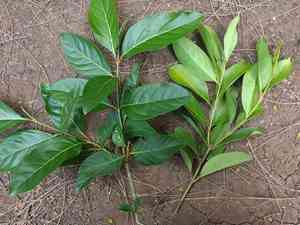
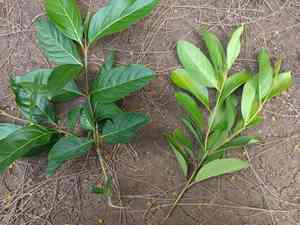
Quickly Identify Fiddlewoods (Citharexylum)
1
Citharexylum can be identified by its elongated leaves, clustered flower spikes with small, tubular, fragrant flowers, and its small, often brightly colored fruits. The bark is typically smooth and the branches may have an arching habit.
Scientific Classification of Fiddlewoods (Citharexylum)
Phylum
Tracheophyta
Class
Magnoliopsida
Order
Lamiales
Family
Verbenaceae
Genus
Citharexylum
Planting and Growing of Fiddlewoods (Citharexylum)
Care Difficulty
Moderate
Watering Schedule
Every 3 days
Sunlight Requirements
Full sun
Sunshine Duration
6-10 hours
Ideal Temperature
65-75℉
Soil Type
Potting Mix, Peat Mix
Soil pH
6.5-7.5
Fertilizer Type
Balanced
Pruning Season
Spring, Summer
Pruning Area
Branches, Leaves
Pruning Frequency
2 times a year
Repotting Season
Spring
Pot Type
Plastic, Ceramic
 How to Water Fiddlewoods (Citharexylum)?
For Citharexylum, ensure the soil is completely saturated when watering. This typically means using about 500 milliliters until water begins to drain from the bottom. The goal is to moisten the entire root system without leaving the soil soggy.
What are the symptoms of an underwatered Fiddlewoods (Citharexylum)?
›
What should I do if my Fiddlewoods (Citharexylum) is not getting enough water?
›
What are the symptoms of an overwatered Fiddlewoods (Citharexylum)?
›
How to save an overwatered Fiddlewoods (Citharexylum)?
›
 What Are the Sunlight Requirements for Fiddlewoods (Citharexylum)?
Citharexylum prefers full sun to partial sun, ideally receiving 6 to 8 hours of sunlight daily. This range supports robust growth, vibrant foliage, and productive flowering.
How much sun does Citharexylum need?
›
Where should I position my Citharexylum for the best light?
›
What solutions can enhance Citharexylum's light exposure?
›
 What Is the Ideal Temperature Range for Fiddlewoods (Citharexylum)?
The ideal temperature range for Citharexylum is 65°F to 75°F, where the plant can thrive and achieve optimal growth. Maintaining this temperature range helps the plant to photosynthesize effectively and enhances its ability to absorb nutrients, facilitating healthy development. Consistent temperatures within this range support robust flowering and fruiting.
 What Soil is Best for Fiddlewoods (Citharexylum)?
Citharexylum prefers soil that does not retain too much water. This well-draining attribute helps prevent root rot and ensures that oxygen circulates effectively, promoting healthy growth. Ensuring good drainage can involve amending soil with materials like sand or perlite. This plant thrives in soil that has moderate fertility. Excess nutrients can lead to vigorous leaf growth at the expense of flowers, while too little can stunt its growth. Balanced fertilization sustains flowering and growth, benefiting its ornamental appeal. Citharexylum tolerates a pH range of 6.5 to 7.5, preferring neutrality. Maintaining this range ensures optimal nutrient uptake and avoids problems like nutrient lockout, contributing to vigorous health and blooming spectacle.
 How to Fertilize Fiddlewoods (Citharexylum)?
When fertilizing Citharexylum plants, use light applications to avoid nutrient burn. For liquid fertilizers, apply a diluted solution at half the recommended strength. For slow-release fertilizers, use about a tablespoon per plant, evenly distributed around the base.
 How to Prune Fiddlewoods (Citharexylum)?
Begin by identifying any dead, diseased, or damaged branches on your Citharexylum. Trim these away first to promote overall plant health and introduce better air circulation throughout the plant canopy. When shaping your Citharexylum, cut back any overly long stems to maintain a balanced and appealing form. Make cuts just above a leaf node to encourage new, bushier growth. To boost flowering, focus on reducing the length of older, woody stems. Cutting back these stems allows the plant to focus on more vigorous, young growth that will produce an abundance of flowers.
 How to Propagate Fiddlewoods (Citharexylum) plant?
1
Select a healthy stem from the parent plant, approximately 4-6 inches long. Remove any leaves from the lower half, and make a clean cut at a 45-degree angle just below a node.
2
Dip the cut end of the stem in rooting hormone to promote root development. Plant the cutting in a pot filled with well-draining soil, ensuring it is stable and upright.
3
Collect seeds from a mature Citharexylum plant. Sow them in a seedling tray with a thin layer of soil covering. Keep the soil consistently moist until germination occurs.
 How to Repot Fiddlewoods (Citharexylum) plant?
1
Repotting should be considered when the roots of the Citharexylum start to circle the pot or peek through the drainage holes. Another sign is when the growth seems stunted despite regular care. Spring to early summer is the ideal time since the plant is in its active growth phase, allowing it to adapt to the new potting conditions swiftly.
2
Select a pot that is one size larger than the current one, with ample drainage holes. Terracotta or clay pots are recommended as they provide good aeration due to their porous nature. This helps prevent root rot which can occur if the soil stays too wet, offering a more stable growing environment.
3
Use a well-draining potting mix, ideally one designed for tropical plants or a mix of peat, perlite, and pine bark. This kind of soil provides the right balance of moisture retention and aeration, mimicking the plant's natural habitat and reducing the risk of waterlogged roots.
Toxicity
ingestion
WARNING
The judgment on toxicity and danger is for reference only. We DO NOT GUARANTEE any accuracy of such judgment. Therefore, you SHALL NOT rely on such judgment. It is IMPORTANT TO SEEK PROFESSIONAL ADVICE in advance when necessary.
Learn More About Fiddlewoods (Citharexylum) Diseases
Anthracnose
Bacterial Leaf Spot
Bacterial Soft Rot
Bacterial Wilt
Crown Gall
Damping-off
Downy Mildew
Drought Stress
Fusarium Wilt
Gray Mold
Leaf Curl
Leaf Spot
Mosaic
Nutrient Deficiency
Nutrient Toxicity
Powdery Mildew
Root Rot
Root-knot Nematode
Rusts
Sooty Mold
Spider Mites
Temperature Stress
Thrips Damage
White Mold

