
Montpelier cistus (Cistus monspeliensis)
Also known as: Montpellier Cistus, White Rockrose
Rosemary (Rosmarinus officinalis) is highly attractive to bees, insects, and various pollinators. This evergreen herb is often cultivated in gardens for its ornamental value, and it's renowned for its aromatic leaves. Beyond its garden appeal, rosemary is frequently utilized in the cosmetic industry for its essential oils, which are prized for their beneficial properties in skin and hair care products. The plant's flowers, though small, continuously bloom and provide a reliable source of nectar for pollinators.
In This Article
Attributes of Montpelier cistus
Lifespan
Perennial
Plant Type
Shrub
Plant Height
1 m
Spread
1 m to 1.5 m
Leaf Color
Green
Flower Size
1 cm to 2 cm
Flower Color
White
Images of Montpelier cistus
Quickly Identify Montpelier cistus
1
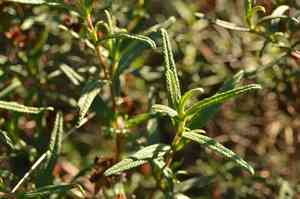
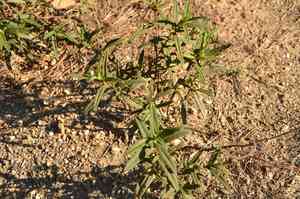
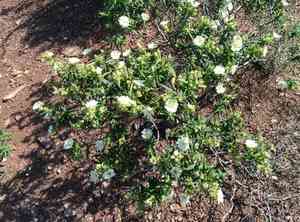
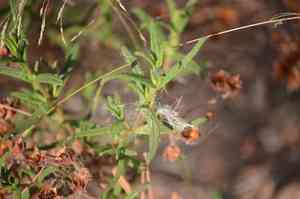
Cistus monspeliensis can be identified by its narrow, lanceolate leaves which are dark green on the top and white-hairy underneath. The plant also produces distinctive white flowers with five petals and a yellow center. The leaves emit a strong aromatic scent, particularly when crushed.
Scientific Classification of Montpelier cistus
Phylum
Vascular plants
Class
Dicotyledons
Order
Malvales
Family
Rock roses
Genus
Rock rose
Species
Montpelier cistus
Planting and Growing of Montpelier cistus
Care Difficulty
Easy
Watering Schedule
Every 2 days
Sunlight Requirements
Full sun
Sunshine Duration
4-8 hours
Ideal Temperature
55-75℉
Soil Type
Potting Mix, Peat Mix
Soil pH
6.5-7.5
Fertilizer Type
Balanced
Pruning Season
Spring, Summer
Pruning Area
Branches, Leaves
Pruning Frequency
2 times a year
Repotting Season
Spring
Pot Type
Plastic, Ceramic
 How to Water Montpelier cistus?
For Cistus monspeliensis, it's ideal to water the plant with about 500 milliliters each session. The watering should be thorough enough to moisten the soil without leaving it waterlogged. Ensure that the water reaches deep but doesn't pool on the surface. The roots need access to moisture, not a swamp, so that they remain healthy and can efficiently take up nutrients.
What are the symptoms of an underwatered Montpelier cistus?
›
What should I do if my Montpelier cistus is not getting enough water?
›
What are the symptoms of an overwatered Montpelier cistus?
›
How to save an overwatered Montpelier cistus?
›
 What Are the Sunlight Requirements for Montpelier cistus?
Cistus monspeliensis requires full sun for best results, ideally thriving with 6-8 hours of light daily. Optimal light exposure ensures it blooms brilliantly, showcasing its characteristic flowers and lush growth.
More About Sunlight Requirements Techniques→
What is the best lighting for Cistus monspeliensis?
›
How can I ensure Cistus monspeliensis receives enough sunlight?
›
What benefits does ideal sunlight provide to Cistus monspeliensis?
›
 What Is the Ideal Temperature Range for Montpelier cistus?
Cistus monspeliensis, native to the Mediterranean region, thrives best in environments where temperatures are consistently between 55°F to 75°F. This range provides an optimal balance, as it ensures the plant can photosynthesize effectively and maintain healthy growth. The relatively moderate temperatures emulate its native habitat, offering stress-free conditions that prevent dormancy and promote vibrant flowering.
 What Soil is Best for Montpelier cistus?
Cistus monspeliensis thrives best in well-drained soil, which prevents waterlogging and keeps the roots healthy. This improves the plant's resilience against diseases and supports robust growth. While Cistus monspeliensis is relatively undemanding, it benefits from soil with moderate fertility. This provides essential nutrients without overwhelming the plant, promoting balanced growth and flowering. The soil should have good aeration, allowing roots to breathe and absorb nutrients effectively. This enhances root development and strengthens the plant's overall structure and vitality.
 How to Fertilize Montpelier cistus?
Cistus monspeliensis enjoys a balanced approach when it comes to fertilizer. Use a half-strength balanced liquid fertilizer every two weeks during the growing season. Do not exceed the recommended dose as the plant thrives in leaner soil conditions that mimic its natural habitat.
 How to Prune Montpelier cistus?
Start by removing any dead or damaged branches using clean, sharp pruning shears. This not only optimizes plant health but also improves aesthetics. Focus on pruning one-third of the shrub to encourage dense, bushy growth and enhance flowering. Always cut back to a leaf node or growing point to promote new shoots. Take care not to prune back into old wood, as this may not regenerate.
More About Pruning Techniques→
 How to Propagate Montpelier cistus plant?
1
Start by filling seed trays with a well-draining potting mix. Lightly tamp down the soil to create a firm base for the seeds. Water the soil before placing seeds to ensure they have enough moisture to germinate.
2
Select healthy, non-flowering shoots from the parent plant. Use pruning shears to cut 4-6 inches of stem. Remove leaves from the lower third of the cutting to prevent rot when planted.
3
Carefully dig around the base of a mature plant to expose its root system. Split the plant into smaller sections with roots intact. Replant these sections in prepared soil immediately to reduce transplant shock.
 How to Repot Montpelier cistus plant?
1
You’ll know it's time to repot Cistus monspeliensis when you notice its roots peeking out of the drainage holes or circling at the pot's surface. Additionally, if the plant appears to be stunted or not thriving, a refresh with new soil can renew its vigor. Typically, early in the spring or during early autumn, when the plant is not in its most active growth phase, makes for the best time to repot.
2
Select a pot that is one size larger than the current one, allowing room for growth but not so large as to retain excessive moisture. Terracotta pots are highly recommended because they allow the soil to dry out between waterings, which helps in preventing root rot especially critical for well-draining needs.
3
Choose a well-draining, sandy soil mix to mimic the plant’s natural dry, rocky Mediterranean habitat. The inclusion of grit or perlite in the mix ensures proper drainage, significantly reducing the risks of root rot while allowing the roots to access needed oxygen.



