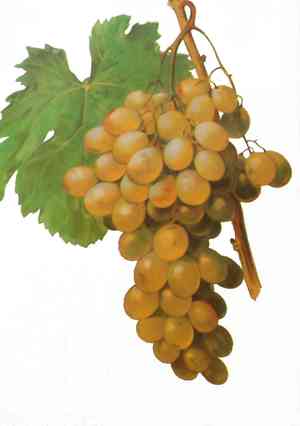
Creeping Treebine (Cissus repens)
Also known as: Ivy Grape
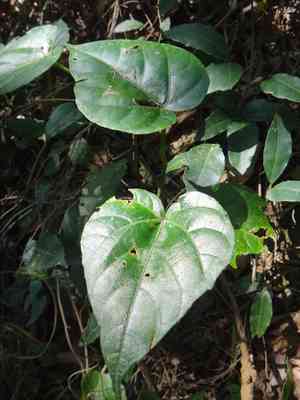
The **betel leaf plant** is a type of vine that thrives in the tropical rainforests of Southeast Asia and Australia. It is easily identifiable by its heart-shaped leaves with subtly serrated edges.
In This Article
Attributes of Creeping Treebine
Lifespan
Perennial
Plant Type
Vine
Plant Height
Up to 3 meters
Spread
N/A
Leaf Color
Green
Flower Size
1-2 mm
Flower Color
White or greenish
Images of Creeping Treebine
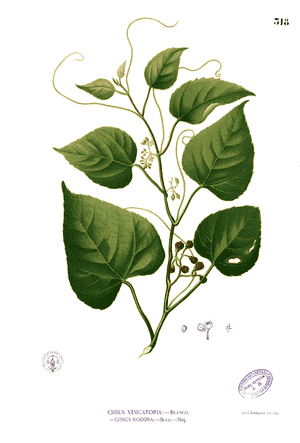
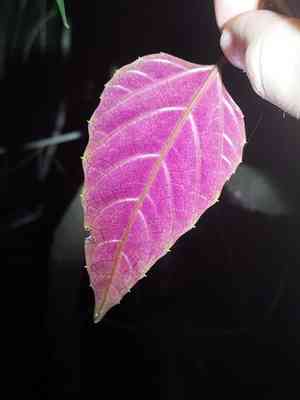
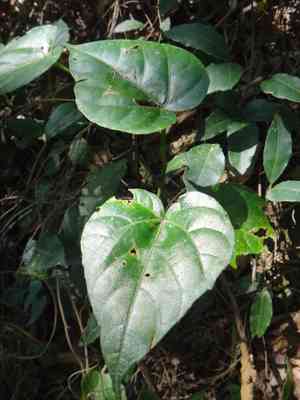
Quickly Identify Creeping Treebine
1
To identify Cissus repens, look for its heart-shaped leaves, which can have an almost glossy appearance. The stems are often reddish and the plant features tendrils that help it climb.
Scientific Classification of Creeping Treebine
Phylum
Vascular plants
Class
Dicotyledons
Order
Vitales
Family
Grape
Genus
Treebine
Species
Creeping Treebine
Planting and Growing of Creeping Treebine
Care Difficulty
Easy
Watering Schedule
Every 2 days
Sunlight Requirements
Partial sun
Sunshine Duration
6-10 hours
Ideal Temperature
65-75℉
Soil Type
Potting Mix, Peat Mix
Soil pH
6-7.5
Fertilizer Type
Balanced
Pruning Season
Spring, Summer
Pruning Area
Branches, Leaves
Pruning Frequency
2 times a year
Repotting Season
Spring
Pot Type
Plastic, Ceramic
 How to Water Creeping Treebine?
Cissus repens requires about 200 milliliters of water per watering. The key is to ensure the topsoil is moist but not soggy. Let the soil dry out slightly between waterings to mimic its natural habitat.
What are the symptoms of an underwatered Creeping Treebine?
›
What should I do if my Creeping Treebine is not getting enough water?
›
What are the symptoms of an overwatered Creeping Treebine?
›
How to save an overwatered Creeping Treebine?
›
 What Are the Sunlight Requirements for Creeping Treebine?
Partial sun and full shade conditions ensure Cissus repens thrives without the risk of sunburn. The ideal light promotes photosynthesis and supports lush, vibrant leaf growth, creating a healthy, robust plant.
Question 1
›
Question 2
›
Question 3
›
 What Is the Ideal Temperature Range for Creeping Treebine?
Cissus repens flourishes best when maintained in temperatures between 65°F to 75°F. This range provides the ideal conditions for optimal photosynthesis, growth, and overall health. Ensuring that the temperature remains within this range can help avoid stress and promote vibrancy in the plant's foliage.
 What Soil is Best for Creeping Treebine?
Cissus repens prefers soil with excellent drainage to prevent waterlogging, which can lead to root rot. Well-draining soil ensures that the plant's roots receive essential oxygen and nutrients without being suffocated by excess moisture. This plant thrives in soil rich in organic matter. Nutrient-dense soil promotes vigorous growth and robust health, as it supplies all necessary elements for photosynthesis and energy storage. While good drainage is important, the soil should also retain moderate moisture to keep the plant hydrated. The balance between drainage and moisture retention supports healthy root development and overall vitality.
 How to Fertilize Creeping Treebine?
Cissus repens requires a balanced approach to fertilization. Use a balanced liquid fertilizer diluted to half strength during the growing season. For granular fertilizer, apply about 20 grams once every four months. Adjust quantities based on plant size and container volume.
 How to Prune Creeping Treebine?
Start by using clean, sharp pruning shears to make precise cuts. Focus on removing any dead or dying leaves and unhealthy stems as close to the main vine as possible. This will encourage new healthy growth and maintain the overall vitality of the plant. To shape your Cissus repens, trim back excessively long vines to keep the plant looking neat and compact. Try to make cuts just above a leaf node to prompt new growth. Pay close attention to the plant's natural shape and aim to maintain its balance and symmetry.
 How to Propagate Creeping Treebine plant?
1
Select healthy stems that are not flowering, ideally from vigorous growth. Ensure each cutting is about 4-6 inches long with at least two nodes; this will give the new plant a strong start.
2
Strip the lower leaves from the cutting to expose the nodes. Dip the base into rooting hormone if available to encourage faster root development.
3
Insert the cutting into a pot of well-draining, moist soil. Ensure that at least one node is below the soil surface to promote rooting and stability.
 How to Repot Creeping Treebine plant?
1
Look for signs such as roots emerging from the drainage holes or a noticeable slowdown in growth. These are clear indicators that Cissus repens needs more space and nutrients, signaling it's time for repotting.
2
Choose a pot that's one size larger than the current one with proper drainage holes. This ensures space for growth and prevents waterlogging, promoting healthier root development and reducing risk of root rot.
3
Opt for a well-draining potting mix to prevent excess moisture around the roots. This type of soil mimics the plant's natural environment, allowing roots to access air and water efficiently, thereby promoting healthy growth.
Learn More About Creeping Treebine Diseases
Anthracnose
Bacterial Leaf Spot
Bacterial Soft Rot
Crown Gall
Damping-off
Downy Mildew
Drought Stress
Fusarium Wilt
Gray Mold
Leaf Curl
Leaf Spot
Mosaic
Nutrient Deficiency
Nutrient Toxicity
Powdery Mildew
Root Rot
Root-knot Nematode
Sooty Mold
Spider Mites
Temperature Stress
Thrips Damage
White Mold



