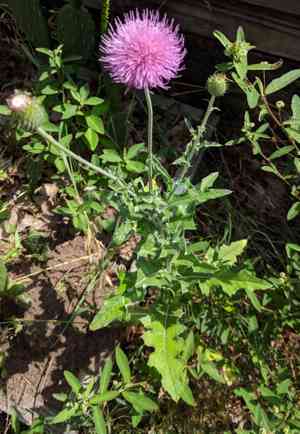
Texas thistle (Cirsium texanum)
Also known as: Southern thistle
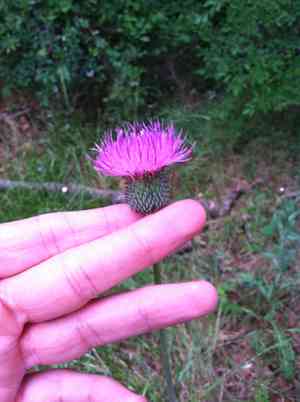
The Texas thistle (Cirsium texanum) is known for attracting painted lady butterflies. Additionally, goldfinches are fond of its seeds and the silky material surrounding them. The plant's flowers resemble small pom-poms and come in shades of pink or lavender.
In This Article
Attributes of Texas thistle
Lifespan
Biennial, Perennial
Plant Type
Herb
Plant Height
80 cm
Spread
35 cm
Leaf Color
Green Blue White
Flower Size
2.5 cm
Flower Color
Pink Purple
Images of Texas thistle
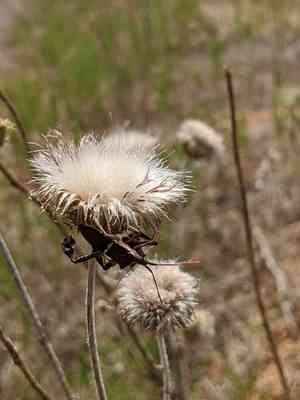
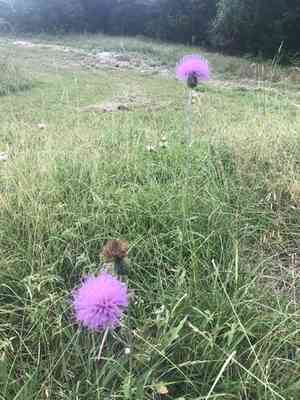
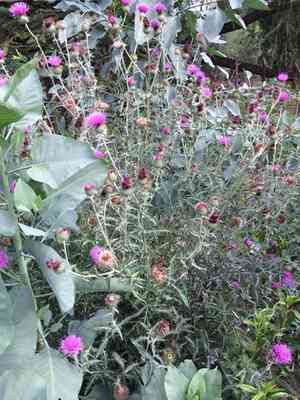
Quickly Identify Texas thistle
1
The plant can be identified by its spiny leaves, which have a distinctive gray-green color and a woolly texture. The large, purple flower heads are about 1.5 to 2 inches in diameter and bloom from late spring to summer.
Scientific Classification of Texas thistle
Phylum
Vascular plants
Class
Dicotyledons
Order
Asterales
Family
Daisy
Genus
Thistles
Species
Texas thistle
Planting and Growing of Texas thistle
Care Difficulty
Moderate
Watering Schedule
Every 2 days
Sunlight Requirements
Full sun
Sunshine Duration
4-8 hours
Ideal Temperature
60-85℉
Soil Type
Potting Mix, Peat Mix
Soil pH
6.5-7.5
Fertilizer Type
Balanced
Pruning Season
Spring, Summer
Pruning Area
Branches, Leaves
Pruning Frequency
2 times a year
Repotting Season
Spring
Pot Type
Plastic, Ceramic
 How to Water Texas thistle?
Cirsium texanum prefers a well-draining soil and moderate water. Ensure the soil is moist but not waterlogged, which can harm its roots. Watering around 250 ml per session is generally adequate, allowing the plant to absorb what it needs without excess water retention.
What are the symptoms of an underwatered Texas thistle?
›
What should I do if my Texas thistle is not getting enough water?
›
What are the symptoms of an overwatered Texas thistle?
›
How to save an overwatered Texas thistle?
›
 What Are the Sunlight Requirements for Texas thistle?
Cirsium texanum thrives best in full sun to partial sun conditions, which promote robust growth and abundant flowering. Adequate sunlight supports the plant’s natural photosynthetic processes and strengthens its structural integrity.
Optimal Time for Sun Exposure
›
Shade During Peak Sun
›
Adjusting to Seasonal Changes
›
 What Is the Ideal Temperature Range for Texas thistle?
The ideal temperature range for Cirsium texanum is between 60°F and 85°F. This range provides the optimal environment for growth and photosynthesis. Maintaining these temperatures ensures the plant has sufficient warmth without excessive heat that might hinder its development.
 What Soil is Best for Texas thistle?
Cirsium texanum thrives in well-drained soil, which prevents waterlogging and root rot. This promotes healthy root growth, allowing the plant to access essential nutrients and moisture more efficiently. Providing a nutrient-rich substrate ensures that Cirsium texanum receives all the essential minerals needed for vigorous growth. This fosters strong stems and vibrant foliage, enhancing the plant's overall health and appearance. Maintaining moderate moisture levels in the soil is crucial for Cirsium texanum. It helps prevent dehydration during dry spells while avoiding the stress associated with overly wet conditions, thus supporting continuous and healthy growth.
 How to Fertilize Texas thistle?
For Cirsium texanum, use a balanced, all-purpose fertilizer with an N-P-K ratio of 10-10-10. For liquid fertilizers, dilute it to half the recommended strength to avoid burning the plant's roots.
 How to Prune Texas thistle?
Begin by cutting away any dead or diseased stems close to the base. This prevents the spread of disease and promotes overall plant health and vigor. Trim back overgrown sections to maintain the desired shape and encourage bushier growth. Cut just above a leaf node to stimulate new growth from that point. To increase flowering potential, snip off spent blooms promptly. This not only tidies the plant but also encourages the production of new flowers.
 How to Propagate Texas thistle plant?
1
Begin by filling seed trays with potting soil. Sow the seeds evenly on the surface and cover them lightly with soil. Ensure that the seeds are spaced sufficiently apart to allow for growth.
2
Gently water the seeds immediately after sowing to settle the soil and provide initial moisture needed for germination. Use a fine spray to avoid washing away the seeds.
3
Place the seed trays in a location that receives indirect sunlight and maintain a consistent temperature to facilitate germination. Keep the soil moist but not waterlogged throughout the germination period.
 How to Repot Texas thistle plant?
1
Cirsium texanum, also known as Texas thistle, signals its need for repotting when its roots start to emerge from the drainage holes of the pot. Another cue is when the plant's growth appears stunted, despite receiving adequate care. These indicators typically occur every 1-2 years and signify that the plant needs more room to grow.
2
When selecting a new pot for the Texas thistle, opt for one that is 1-2 inches larger in diameter than the current pot. The pot should have adequate drainage holes to prevent waterlogging, which is crucial for preventing root rot. A terracotta pot can be an excellent choice as it allows airflow to the roots, improving overall plant health.
3
The ideal soil for repotting this plant is a well-draining potting mix. This type of soil minimizes the risk of water retention at the roots, which can cause rot. Consider mixing equal parts of standard potting soil, sand, and perlite to ensure optimal drainage and aeration for the thistle's roots.
Learn More About Texas thistle Diseases
Anthracnose
Bacterial Leaf Spot
Bacterial Wilt
Crown Gall
Cyst Nematode
Damping-off
Downy Mildew
Drought Stress
Fusarium Wilt
Gray Mold
Leaf Spot
Mosaic
Nutrient Deficiency
Nutrient Toxicity
Powdery Mildew
Root Rot
Root-knot Nematode
Rusts
Sooty Mold
Spider Mites
Temperature Stress
Thrips Damage
White Mold

