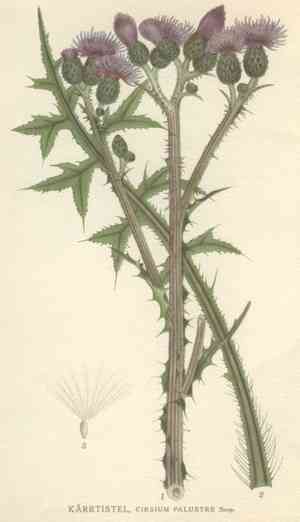
Marsh thistle (Cirsium palustre)
Also known as: Plume thistle
Common reed (Phragmites australis) is a plant native to Europe and Asia that has become invasive in North America. This tall grass thrives in wetlands and along waterways. Archaeological findings indicate that it has spread alongside human agricultural activities for millennia, progressively expanding its range as human cultivation practices spread.
Attributes of Marsh thistle
Images of Marsh thistle
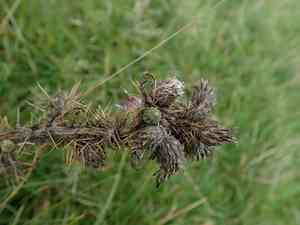
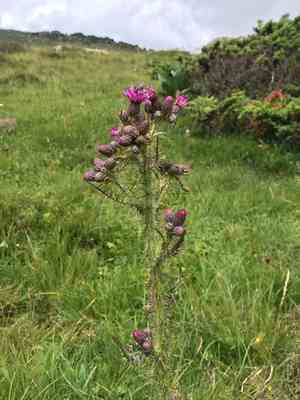
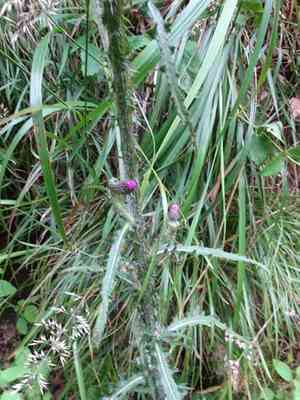
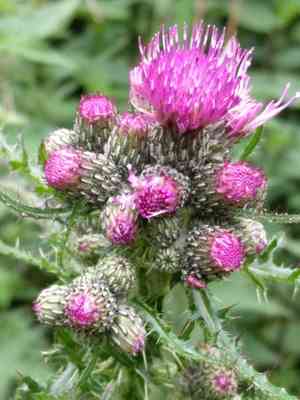
Quickly Identify Marsh thistle
Scientific Classification of Marsh thistle
Planting and Growing of Marsh thistle
 How to Water Marsh thistle?
 What Are the Sunlight Requirements for Marsh thistle?
 What Is the Ideal Temperature Range for Marsh thistle?
 What Soil is Best for Marsh thistle?
 How to Fertilize Marsh thistle?
 How to Prune Marsh thistle?
 How to Propagate Marsh thistle plant?
 How to Repot Marsh thistle plant?
Toxicity of Marsh thistle
Is Marsh thistle toxic to humans?
Marsh thistle presents a mild toxicity risk to humans if ingested. Every part of the plant is deemed toxic and may cause poisoning if consumed. When ingested, individuals can experience various symptoms, including gastrointestinal distress such as nausea, vomiting, and diarrhea. Furthermore, signs of oral irritation may occur, which can involve a burning sensation in the mouth, increased salivation, and difficulty swallowing. Since marsh thistle is not generally eaten, poisoning often occurs due to accidental ingestion. Therefore, it is crucial for foragers and outdoor enthusiasts to be able to identify marsh thistle and take care to avoid unintended consumption.
Is Marsh thistle toxic to cat?
The marsh thistle has a mild toxic effect on cats. When these animals consume any part of the marsh thistle, potentially confusing it with a safe plant, they might display signs of physical distress. Each component of marsh thistle can trigger such negative reactions. If ingestion is suspected, it is crucial to obtain prompt veterinary care to safeguard the cat's health.
Is Marsh thistle toxic to dog?
Marsh thistle is noted to possess mild toxic properties for dogs. Canines may inadvertently ingest various parts of the plant, which can lead to possible poisoning. The entire marsh thistle poses a risk, meaning that consumption of any part could result in harmful effects. Symptoms associated with marsh thistle poisoning may include gastrointestinal distress, such as vomiting and diarrhea, in addition to potential drooling and signs of oral irritation. If a dog shows these symptoms after encountering or consuming marsh thistle, it is crucial to seek prompt veterinary attention to secure the best possible outcome for the animal's health.



