
Field thistle (Cirsium discolor)
Also known as: Pasture Thistle, Field Thistle
A notable food source for bees and butterflies is the sunflower (Helianthus annuus). This annual plant typically grows up to 2 meters tall and features large, eye-catching blooms. Sunflowers are rich in nectar and pollen, making them invaluable to pollinators. Additionally, their seeds are a nutritious food source for various wildlife.
In This Article
Attributes of Field thistle
Lifespan
Perennial, Biennial
Plant Type
Herb
Plant Height
91 cm to 2 m
Spread
30 cm
Leaf Color
Green White
Flower Size
2.5 cm to 5 cm
Flower Color
Pink Purple White Red
Images of Field thistle
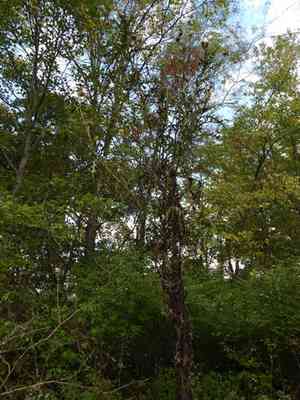

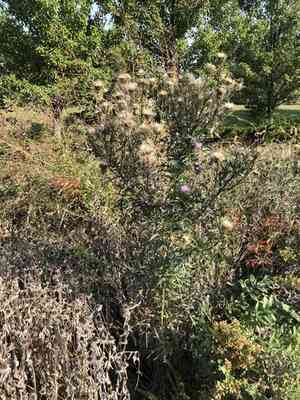
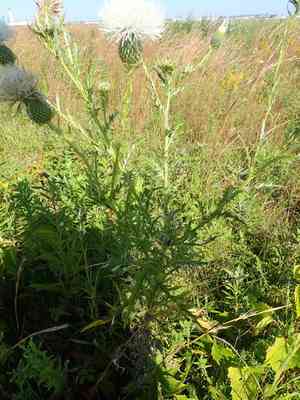
Quickly Identify Field thistle
1
Basal rosette structure initially
2
Flowerheads with green bracts resembling fish scales
3
Achene with tuft of fine, fluffy hairs (pappus) for wind dispersal
4
Pinnately lobed leaves with spiny margins
5
Hairiness and lack of spines on stem
Scientific Classification of Field thistle
Phylum
Vascular plants
Class
Dicotyledons
Order
Asterales
Family
Daisy
Genus
Thistles
Species
Field thistle
Planting and Growing of Field thistle
Care Difficulty
Easy
Watering Schedule
Every 2 days
Sunlight Requirements
Full sun
Sunshine Duration
6-10 hours
Ideal Temperature
65-75℉
Soil Type
Potting Mix, Peat Mix
Soil pH
6.5-7.5
Fertilizer Type
Balanced
Pruning Season
Spring, Summer
Pruning Area
Branches, Leaves
Pruning Frequency
2 times a year
Repotting Season
Spring
Pot Type
Ceramic, Plastic
 How to Water Field thistle?
The watering amount for Cirsium discolor should be around 500 ml each time. The principle is to keep the soil moist but not waterlogged. You should aim to water until the soil feels slightly moist at a depth of about 1 inch. Avoid drenching the plant as it prefers a well-drained environment.
What are the symptoms of an underwatered Field thistle?
›
What should I do if my Field thistle is not getting enough water?
›
What are the symptoms of an overwatered Field thistle?
›
How to save an overwatered Field thistle?
›
 What Are the Sunlight Requirements for Field thistle?
Cirsium discolor flourishes under full to partial sun, benefiting from at least 6-8 hours of sunlight daily. The ideal light conditions promote strong, healthy growth, enhance blooming, and support resilient foliage.
How much sunlight does Cirsium discolor need?
›
What is the best time to provide sunlight to Cirsium discolor?
›
What are the best practices to optimize sunlight for Cirsium discolor?
›
 What Is the Ideal Temperature Range for Field thistle?
The ideal temperature range for Cirsium discolor is between 65°F and 75°F. This range provides optimal conditions for photosynthesis, growth, and flowering. At these temperatures, the plant's metabolic processes function efficiently, ensuring healthy development.
 What Soil is Best for Field thistle?
Cirsium discolor thrives in nutrient-rich soils that provide the essential minerals and nutrients necessary for its growth. The availability of nutrients boosts the plant's vigor and leads to a more robust blooming season, offering a lush display. The plant requires well-drained soil to prevent waterlogged conditions which could lead to root rot. Ensuring proper drainage helps maintain healthy root systems, thereby promoting optimal nutrient uptake and supporting vast blooms. While good drainage is crucial, retaining some moisture is also beneficial for Cirsium discolor to prevent drought stress. A balanced moisture level encourages steady growth and intense coloration in the plant's foliage and flowers.
 How to Fertilize Field thistle?
For Cirsium discolor, a moderate amount of fertilizer is crucial. Use about 1/4 strength of a balanced liquid fertilizer mix every two weeks during the growing season. Avoid applying too much, as thistles are adapted to nutrient-poor soils.
 How to Prune Field thistle?
Before you begin, ensure you have clean and sharp gardening shears. Sterilizing your tools will help prevent the spread of disease. Make sure to have a clear view of the plant, removing any surrounding debris. Look for dead or diseased stems first. These should be the priority as removing them will help the plant focus its energy on healthier parts. Locate these parts by checking for discoloration or softness. When cutting, make your cuts just above a healthy leaf node or bud. Angling your cuts downward will help water runoff, preventing rot. Ensure cuts are clean to avoid leaving jagged edges which can invite pests.
 How to Propagate Field thistle plant?
1
Begin by filling the seed tray with a sterile seed-starting mix. Sow the seeds evenly, barely covering them with soil. Keep the tray in a warm, well-lit area and maintain consistent moisture.
2
Carefully dig up the mature plant in spring. Use a sharp knife to divide the roots into sections, each with a healthy part of the plant. Replant the divisions immediately in a suitable location.
3
After planting seeds or divisions, water them gently to settle them into their new environment. Ensure proper light and ventilation to promote healthy growth.
 How to Repot Field thistle plant?
1
Watch for signs such as roots growing out of the pot's drainage holes or the plant appearing top-heavy and unstable. When growth seems stunted and water drains too quickly through the pot, it's time to consider repotting your Cirsium discolor.
2
Select a pot that is 1-2 inches larger in diameter than the current one. This ensures enough space for root expansion while avoiding excessive soil that retains too much moisture. A pot with sufficient drainage is ideal for preventing waterlogging, which is crucial for the plant's health.
3
Opt for a well-draining potting mix to emulate the plant's natural habitat. This type of soil ensures that excess moisture doesn't accumulate around the roots, reducing the risk of rot and promoting healthy growth.
Learn More About Field thistle Diseases
Anthracnose
Bacterial Leaf Spot
Bacterial Soft Rot
Bacterial Wilt
Chemical Injury
Crown Gall
Cyst Nematode
Damping-off
Downy Mildew
Drought Stress
Fusarium Wilt
Gray Mold
Leaf Spot
Mosaic
Nutrient Deficiency
Nutrient Toxicity
Powdery Mildew
Root Rot
Root-knot Nematode
Rusts
Sooty Mold
Spider Mites
Temperature Stress
Thrips Damage
White Mold



