Jesuit's bark (Cinchona) (Cinchona)
Also known as: Cinchona
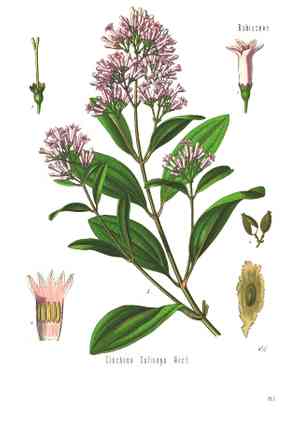
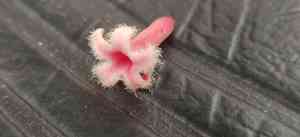
Jesuit's bark plants are part of the Rubiaceae family and typically grow as large shrubs or small trees, reaching heights of 5 to 15 meters. They feature evergreen leaves that are either rounded or lance-shaped and grow in opposite pairs. The plants produce white, pink, or red flowers arranged in terminal clusters, and their fruits are small capsules with numerous seeds. One distinctive trait is the hairy edges on the flower corolla lobes. There are at least 23 recognized species, all native to the tropical Andean forests of western South America.
In This Article
Attributes of Jesuit's bark (Cinchona)
Lifespan
Perennial
Plant Height
Up to 15 meters
Spread
Approximately 8-12 meters
Leaf Color
Dark Green
Flower Size
0.5-1 cm
Flower Color
White, Pink, or Red
Images of Jesuit's bark (Cinchona)
Quickly Identify Jesuit's bark (Cinchona)
1
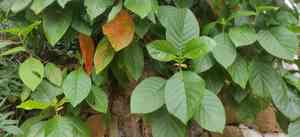
Cinchona trees can be identified by their glossy, dark green leaves that are evergreen, oblong, and oppositely arranged on the stems. The trees produce fragrant, white, pink, or red flowers that grow in tight clusters called panicles. The bark is rough and greyish.
Scientific Classification of Jesuit's bark (Cinchona)
Phylum
Magnoliophyta
Class
Magnoliopsida
Order
Gentianales
Family
Rubiaceae
Genus
Cinchona
Planting and Growing of Jesuit's bark (Cinchona)
Care Difficulty
Moderate
Watering Schedule
Every 3 days
Sunlight Requirements
Partial sun
Sunshine Duration
6-8 hours
Ideal Temperature
60-77℉
Soil Type
Potting Mix, Peat Mix
Soil pH
5.5-7.5
Fertilizer Type
Balanced
Pruning Season
Spring, Summer
Pruning Area
Branches, Leaves
Pruning Frequency
2 times a year
Repotting Season
Spring
Pot Type
Plastic, Ceramic
 How to Water Jesuit's bark (Cinchona)?
For Cinchona plants, watering should be thorough enough to moisten the soil deeply but not excessively. It's recommended to water with approximately 500 ml each time, ensuring the water reaches the roots without leaving the soil waterlogged. The aim is to mimic its natural rainforest habitat, where it enjoys high humidity but well-drained soil conditions.
What are the symptoms of an underwatered Jesuit's bark (Cinchona)?
›
What should I do if my Jesuit's bark (Cinchona) is not getting enough water?
›
What are the symptoms of an overwatered Jesuit's bark (Cinchona)?
›
How to save an overwatered Jesuit's bark (Cinchona)?
›
 What Are the Sunlight Requirements for Jesuit's bark (Cinchona)?
Cinchona prefers partial sun conditions. Ideal light conditions ensure robust growth, maintaining the plant's health and maximizing its alkaloid synthesis, crucial for its medicinal qualities.
What is the optimal environment for growth?
›
How can I achieve the ideal lighting conditions?
›
What benefits does ideal lighting provide?
›
 What Is the Ideal Temperature Range for Jesuit's bark (Cinchona)?
The ideal temperature for growing Cinchona is between 60°F and 77°F. This range supports optimal growth as it aligns well with the plant's native tropical climate conditions, where mild temperatures are prevalent.
 What Soil is Best for Jesuit's bark (Cinchona)?
Cinchona thrives best in well-drained soil, which prevents waterlogging and root rot. Ensuring good drainage is crucial for maintaining healthy roots and supporting overall plant vitality. This plant requires soil rich in nutrients to support its growth. A nutrient-enriched medium enhances the development of strong stems and abundant foliage, leading to a healthier plant. Cinchona prefers soil that retains moisture but remains sufficiently aerated. This balance in soil moisture and aeration aids in providing essential water while preventing excess dampness that could harm the roots.
 How to Fertilize Jesuit's bark (Cinchona)?
The amount of fertilizer needed for Cinchona plants depends heavily on their growth stage and environmental conditions. As a general guideline, use a balanced 10-10-10 liquid fertilizer diluted to half strength for young plants and increase gradually as they mature. It is crucial to avoid over-fertilizing, as the plant prefers lean conditions.
 How to Prune Jesuit's bark (Cinchona)?
Begin by gathering sharp, clean pruning shears. Identify any dead or diseased branches and remove them first. Make your cuts at a 45-degree angle just above a node, which will encourage new growth. This is crucial to ensure that your Cinchona remains healthy and vibrant. When shaping your Cinchona, aim for a natural appearance by selectively cutting back overgrown areas. Focus on maintaining a balanced structure by removing crossing branches, which could damage each other as they sway in the wind. Each cut should be deliberate to guide the plant’s growth in your desired direction.
 How to Propagate Jesuit's bark (Cinchona) plant?
1
Soak seeds in water for 24 hours to break dormancy and encourage germination. After soaking, sow them in seed trays filled with a light, well-draining potting mix. Maintain them in a warm, humid environment until germination occurs.
2
Select a healthy parent plant and cut a 4 to 6-inch segment just below a node. Remove lower leaves to prevent rotting when planted. Plant the cutting in a pot containing a moist soil mix and cover with a plastic bag to maintain humidity.
3
In a sterile environment, prepare tissue samples and culture them in nutrient-rich media. This method requires precision, as even a slight contamination can hinder growth. Maintain controlled temperature and lighting conditions for optimal success.
 How to Repot Jesuit's bark (Cinchona) plant?
1
Cinchona plants need repotting when their roots outgrow the current pot, visible through drainage holes. Repot in spring or summer when the plant is growing actively for swift recovery.
2
Select a pot just one size larger than the current one, ensuring adequate drainage holes. This prevents waterlogging and root rot, promoting healthy growth and reducing transplant shock.
3
Opt for a well-draining, acidic soil mix to mimic Cinchona's natural habitat. This soil type ensures proper aeration and drainage, essential for root health and preventing common soil-borne diseases.
Toxicity
Ingestion, Skin contact
WARNING
The judgment on toxicity and danger is for reference only. We DO NOT GUARANTEE any accuracy of such judgment. Therefore, you SHALL NOT rely on such judgment. It is IMPORTANT TO SEEK PROFESSIONAL ADVICE in advance when necessary.
Learn More About Jesuit's bark (Cinchona) Diseases
Anthracnose
Bacterial Leaf Spot
Bacterial Wilt
Chemical Injury
Crown Gall
Cyst Nematode
Damping-off
Downy Mildew
Drought Stress
Fusarium Wilt
Gray Mold
Leaf Spot
Mosaic
Nutrient Deficiency
Nutrient Toxicity
Powdery Mildew
Root Rot
Root-knot Nematode
Rusts
Sooty Mold
Spider Mites
Temperature Stress
Thrips Damage
White Mold

