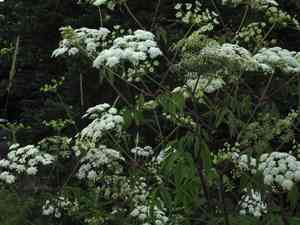
Spotted water hemlock (Cicuta maculata)
Also known as: Spotted cowbane, Poison parsley, Musquash root, Suicide root, Beaver poison
Spotted Water Hemlock (Cicuta maculata) is distinct from the poison hemlock (Conium maculatum) that famously killed Socrates. Despite this, spotted water hemlock remains one of the deadliest plants to humans. It contains a toxin called cicutoxin, which can lead to severe symptoms such as convulsions, nausea, abdominal pain, vomiting, seizures, and delirium.
Attributes of Spotted water hemlock
Images of Spotted water hemlock
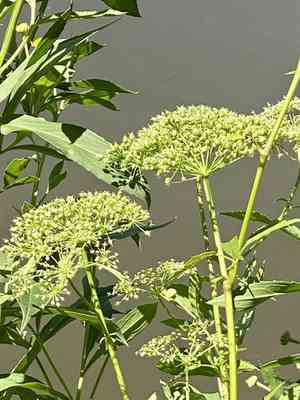
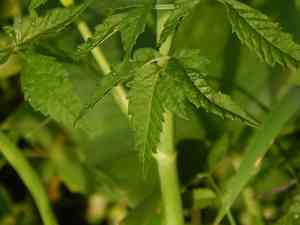
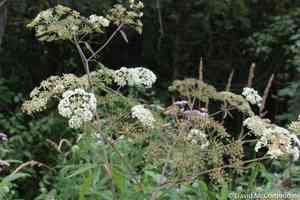
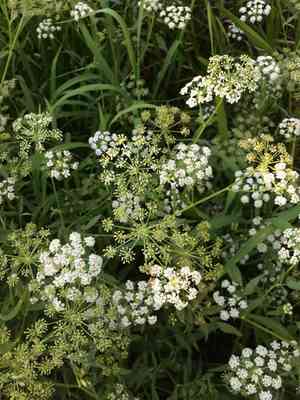
Quickly Identify Spotted water hemlock
Scientific Classification of Spotted water hemlock
Planting and Growing of Spotted water hemlock
 How to Water Spotted water hemlock?
 What Are the Sunlight Requirements for Spotted water hemlock?
 What Is the Ideal Temperature Range for Spotted water hemlock?
 What Soil is Best for Spotted water hemlock?
 How to Fertilize Spotted water hemlock?
 How to Prune Spotted water hemlock?
 How to Propagate Spotted water hemlock plant?
 How to Repot Spotted water hemlock plant?
Toxicity of Spotted water hemlock
Is Spotted water hemlock toxic to humans?
Spotted water hemlock is highly toxic when consumed, and may lead to death. The poison present in every part of the plant is swiftly absorbed into the body, affecting the brain's inhibitory neurons and resulting in convulsions and respiratory collapse. Ingesting any portion of spotted water hemlock frequently proves fatal. Tragically, some children have lost their lives after merely sucking on the stems. Symptoms associated with spotted water hemlock poisoning include fever, dizziness, diarrhea, abdominal pain, bloating, convulsions, seizures, muscle spasms, dilated pupils, and respiratory complications. This plant thrives in marshy regions across the United States and is often confused with parsnips.
Is Spotted water hemlock toxic to cat?
The spotted water hemlock poses a significant toxic threat to cats, and its consumption can result in a life-threatening medical emergency. This plant lacks a bitter flavor, which contributes to the risk of animals consuming it in large quantities. The toxins from this plant can trigger rapid onset of symptoms, such as cardiac distress, diarrhea, dilated pupils, labored breathing, seizures, and potentially fatal outcomes. If you think your cat may have ingested even a tiny amount of spotted water hemlock, it is crucial to seek veterinary care immediately.
Is Spotted water hemlock toxic to dog?
Spotted water hemlock poses a significant toxicity risk to dogs, necessitating prompt veterinary intervention if you believe your dog has ingested any portion of this plant. Every part of the spotted water hemlock is laden with perilous levels of cicutoxin, which can lead to catastrophic organ failure when consumed in large amounts. Typical symptoms associated with mild or moderate cicutoxin poisoning include diarrhea, vomiting, fever, and respiratory distress. In extreme situations, the consequences can escalate to paralysis, coma, or even death.



