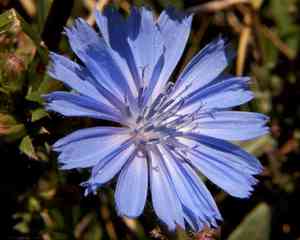
Cichorium (Cichorium) (Cichorium)
Also known as: Chicory, Blue Sailors, Coffeeweed
Cichorium plants, related to dandelions, include notable varieties such as true endive and common chicory. Endive is cultivated for its leaves, while chicory roots are roasted to create a coffee alternative. These plants are appreciated for their attractive flowers in gardens but can spread and turn into weeds.
In This Article
Attributes of Cichorium (Cichorium)
Lifespan
Biennial, Perennial
Plant Height
30-120 cm (12-47 inches)
Spread
Not applicable (herbaceous plant)
Leaf Color
Green
Flower Size
3-4 cm (1.2-1.6 inches)
Flower Color
Blue, Lavender, Occasionally White
Images of Cichorium (Cichorium)

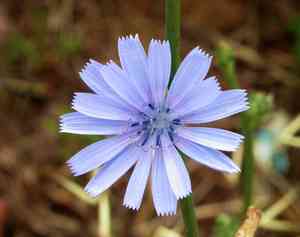
Quickly Identify Cichorium (Cichorium)
1
Chicory plants can be identified by their bright blue or lavender flowers that have a characteristic dandelion-like appearance. The flowers close in the afternoon and open again the next day. The leaves are deeply lobed and lance-shaped, typically found growing in a basal rosette.
Scientific Classification of Cichorium (Cichorium)
Phylum
Magnoliophyta
Class
Magnoliopsida
Order
Asterales
Family
Asteraceae
Genus
Cichorium
Planting and Growing of Cichorium (Cichorium)
Care Difficulty
Easy
Watering Schedule
Every 8 days
Sunlight Requirements
Full sun
Sunshine Duration
6-10 hours
Ideal Temperature
60-75℉
Soil Type
Potting Mix, Peat Mix
Soil pH
6.5-7.5
Fertilizer Type
Balanced
Pruning Season
Spring, Summer
Pruning Area
Branches, Leaves
Pruning Frequency
2 times a year
Repotting Season
Spring
Pot Type
Plastic, Ceramic
 How to Water Cichorium (Cichorium)?
Cichorium, known for its deep-rooted systems, requires approximately 250 milliliters of water per session. The goal is to ensure the soil remains slightly moist throughout its growth period without being waterlogged. Aim for water coverage that penetrates to about 6 inches deep, indicating the roots are properly hydrated.
What are the symptoms of an underwatered Cichorium (Cichorium)?
›
What should I do if my Cichorium (Cichorium) is not getting enough water?
›
What are the symptoms of an overwatered Cichorium (Cichorium)?
›
How to save an overwatered Cichorium (Cichorium)?
›
 What Are the Sunlight Requirements for Cichorium (Cichorium)?
Cichorium ideally needs six to eight hours of sun daily, allowing it to produce energy for robust growth and vibrant foliage without experiencing light stress.
How much sunlight does Cichorium need daily?
›
What solutions ensure ideal light conditions for Cichorium?
›
What benefits does ideal sunlight offer to Cichorium?
›
 What Is the Ideal Temperature Range for Cichorium (Cichorium)?
For Cichorium species, the ideal temperature range for optimal growth is between 60°F to 75°F. This range ensures that the plant can photosynthesize efficiently and develop robustly without the risk of stress due to extreme temperatures.
 What Soil is Best for Cichorium (Cichorium)?
Cichorium thrives in well-drained soils, preventing root rot and ensuring optimal nutrient absorption. This is crucial for the plant’s robust growth and lush foliage. While Cichorium prefers moisture, soggy conditions can be detrimental. Regular watering that maintains moisture without waterlogging is ideal. This balance ensures healthy root development and vibrant leaf production. A nutrient-rich substrate supports the strong growth and yield of Cichorium. Incorporating organic matter or compost can drastically enhance the soil quality, providing essential nutrients for luscious greens.
 How to Fertilize Cichorium (Cichorium)?
Cichorium, commonly known as chicory, requires a balanced approach to fertilization. When applying fertilizers, aim for a moderate amount that promotes healthy growth without overwhelming the plant. For liquid fertilizers, use a solution that is half the strength recommended on the label to avoid nutrient burn. A general guideline is to apply 5-10 ml of liquid fertilizer diluted in a liter of water per plant per month.
 How to Prune Cichorium (Cichorium)?
Always use sterilized, sharp pruning shears to avoid damaging the plant. Dull tools can crush stems and leaves, leading to disease and a reduction in plant vigor. When cutting back Cichorium, be aware of sap flow, especially when pruning larger stems. This can be sticky and may cause irritation, so wearing gloves can be beneficial. After pruning, ensure the plant receives adequate light and water. Pruning can stress the plant, so proper care after trimming is essential for healthy recovery and growth.
 How to Propagate Cichorium (Cichorium) plant?
1
Begin by filling a seed tray with a well-drained soil mix. Sow the seeds thinly on the surface and cover lightly with soil. Water gently to avoid displacing the seeds, and place the tray in a warm, light area until germination occurs.
2
Once seedlings are large enough to handle, usually when they have their first true leaves, transplant them into individual pots. Ensure each pot has appropriate drainage and continue to provide ample sunlight and water.
3
Carefully unearth the mature plant using a garden fork. Gently shake soil from the roots and use a sharp knife to divide the root ball into sections, ensuring each section has healthy roots and shoots. Replant these divisions immediately in prepared soil.
 How to Repot Cichorium (Cichorium) plant?
1
Cichorium indicates its need for repotting when the roots start peeking through the drainage holes, or when growth is noticeably stunted. Repotting during the active growth periods of spring and summer ensures the plant assimilates well into its new environment, maximizing its health and vigor post-transition.
2
Select a pot that is one or two sizes larger than the current one. Ensure it has adequate drainage holes to facilitate proper water flow and prevent root rot. The extra space will accommodate growing roots and allow the plant to thrive, reducing the need for frequent repotting.
3
Opt for well-draining, loamy soil to ensure optimal water retention and air circulation around the roots. This kind of soil enhances nutrient uptake while preventing waterlogging, creating a balanced environment crucial for the robust growth of Cichorium.
Learn More About Cichorium (Cichorium) Diseases
Anthracnose
Bacterial Leaf Spot
Bacterial Soft Rot
Bacterial Wilt
Cyst Nematode
Damping-off
Downy Mildew
Drought Stress
Fusarium Wilt
Gray Mold
Leaf Spot
Mosaic
Nutrient Deficiency
Nutrient Toxicity
Powdery Mildew
Root Rot
Root-knot Nematode
Rusts
Sooty Mold
Spider Mites
Temperature Stress
Thrips Damage
White Mold

