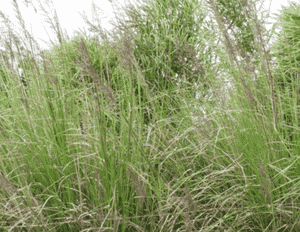
Vetivergrass (Chrysopogon zizanioides)
Also known as: Vetiver, Khus, Vetiver Grass
Vetivergrass is a hardy, light green grass known for its slender structure and deep root system. While its roots are indeed used for essential oils in flavorings and medicinal products, its environmental benefits are particularly noteworthy. Vetivergrass excels in soil and water conservation due to its remarkable tolerance to heavy metals and ability to grow in contaminated soils, including those affected by spilled fuel. This makes it an effective solution for stabilizing soil, preventing erosion, and improving water quality by filtering pollutants. Its resilience and versatility contribute significantly to sustainable environmental management.
In This Article
Attributes of Vetivergrass
Lifespan
Perennial
Plant Type
Grass
Plant Height
1.2 m to 2.5 m
Spread
90 cm to 1.2 m
Leaf Color
Green
Flower Size
20 cm to 30 cm
Flower Color
Purple Brown Yellow Green
Images of Vetivergrass
Quickly Identify Vetivergrass
1
Rigidly upright posture with light green, textured leaves up to 4-5 feet (1.2-1.5 meters) high.
2
Narrow, 6-inch (15 cm) long panicles with brownish-purple flowers in late summer to early autumn.
3
Long, narrow, erect leaves reaching 10 feet (3 meters) with V-shaped cross-section and white bands.
4
Thick, fleshy rhizome resembling ginger with reddish-brown exterior, up to 3 feet (90 cm) long.
5
Versatile perennial grass adaptable to container living with fragrant oil-producing roots.
Scientific Classification of Vetivergrass
Phylum
Vascular plants
Class
Monocotyledons
Order
Grasses, sedges and allies
Family
Grass
Genus
Khus Khus
Species
Vetivergrass
Planting and Growing of Vetivergrass
Care Difficulty
Easy
Watering Schedule
Every 3 days
Sunlight Requirements
Full sun
Sunshine Duration
6-12 hours
Ideal Temperature
77-86℉
Soil Type
Potting Mix, Peat Mix
Soil pH
6.5-7.5
Fertilizer Type
Balanced
Pruning Season
Spring, Summer
Pruning Area
Branches, Leaves
Pruning Frequency
2 times a year
Repotting Season
Spring
Pot Type
Plastic, Ceramic
 How to Water Vetivergrass?
Chrysopogon zizanioides, commonly known as vetiver, requires moderate watering. Ensure the soil is moist but not waterlogged. Water thoroughly until 300ml per application seems to seep out from the bottom of the pot, indicating saturation.
What are the symptoms of an underwatered Vetivergrass?
›
What should I do if my Vetivergrass is not getting enough water?
›
What are the symptoms of an overwatered Vetivergrass?
›
How to save an overwatered Vetivergrass?
›
 What Are the Sunlight Requirements for Vetivergrass?
Chrysopogon zizanioides thrives best in full sun to partial sun, allowing it to develop strong roots and enhance its essential oil production, crucial for its aromatic uses.
More About Sunlight Requirements Techniques→
Solution for Ideal Lighting
›
Measures to Achieve Ideal Lighting
›
Effects of Ideal Lighting
›
 What Is the Ideal Temperature Range for Vetivergrass?
Chrysopogon zizanioides, commonly known as vetiver, thrives best in temperatures ranging from 77 to 86°F. These temperatures provide an optimal environment for photosynthesis and nutrient absorption, enabling the plant to grow robustly. Such conditions mimic the plant's natural tropical habitat, where warmth is consistent.
 What Soil is Best for Vetivergrass?
Chrysopogon zizanioides thrives in soils with excellent drainage to prevent waterlogging, which can lead to root rot. Ensuring proper drainage is crucial as it helps the plant maintain optimal moisture levels without drowning its roots. This plant benefits from a nutrient-rich soil, which can support its vigorous growth and aromatic oil production. A fertile soil provides essential nutrients that enhance the health and productivity of Chrysopogon zizanioides. While rich in nutrients, the soil should not be overly fertile, as excessive nutrients may lead to uncontrolled growth, resulting in poorer oil quality. Maintaining moderate fertility encourages healthy, sustainable growth of the plant.
 How to Fertilize Vetivergrass?
Chrysopogon zizanioides benefits from a moderate fertilization routine. For liquid fertilizers, use a solution diluted to half or quarter strength. Make sure to follow the manufacturer's recommendations and avoid over-concentration. Use approximately 2-4 liters of diluted liquid fertilizer per square meter.
 How to Prune Vetivergrass?
Start by assessing the plant for any dead, damaged, or diseased leaves and stems. Using your garden shears, carefully remove these parts, ensuring you cut back to the base if the entire stem is compromised. This helps redirect energy to healthier parts of the plant. To maintain an attractive shape and manage its size, evenly trim the foliage by about one-third of its height. This encourages a more compact and lush growth. Be mindful to keep a balanced appearance by working around the plant in small sections. After the primary pruning, check for any emerging shoots and lightly trim around them. This ensures light and air reach younger parts, promoting exuberant growth. Be cautious not to cut the new shoots themselves, as they are vital for the plant’s development.
More About Pruning Techniques→
 How to Propagate Vetivergrass plant?
1
Before dividing, ensure the plant is well-watered to make the soil moist and easier to work with. This will also help the roots recover faster after division.
2
Use a sharp spade to cut the root clump into sections. Each section should have a good root system and at least a few shoots to promote new growth.
3
Replant the divisions immediately in prepared soil. Make sure they are planted at the same depth as originally growing to minimize transplant shock.
 How to Repot Vetivergrass plant?
1
Chrysopogon zizanioides often signals the need for repotting when its roots start to outgrow the current container. You may also notice less growth or the soil becomes compacted too quickly. Spring and summer are ideal times, as the plant can recover and flourish with new growth.
2
Choose a pot that is only slightly larger than the current one, with ample drainage holes to prevent waterlogging. A pot that's too large may hold excess moisture, leading to root rot. The right size allows the plant to grow steadily and stay healthy.
3
A well-draining potting mix is crucial for Chrysopogon zizanioides to prevent water accumulation. This type of soil facilitates good air exchange and root health, reducing the risk of disease. It should support the plant's nutrient requirements efficiently.
Learn More About Vetivergrass Diseases
Anthracnose
Bacterial Leaf Spot
Bacterial Wilt
Chemical Injury
Cyst Nematode
Damping-off
Downy Mildew
Drought Stress
Fusarium Wilt
Gray Mold
Leaf Spot
Mosaic
Nutrient Deficiency
Nutrient Toxicity
Powdery Mildew
Root Rot
Root-knot Nematode
Rusts
Sooty Mold
Spider Mites
Temperature Stress
Thrips Damage
White Mold



