Chrysophyllum (Chrysophyllum) (Chrysophyllum)
Also known as: Star Apple, Caimito
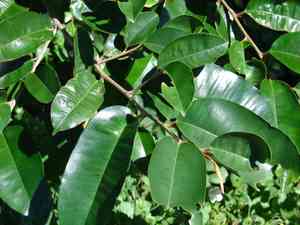
Chrysophyllum trees are tropical evergreens known for their distinctive glossy leaves, which feature a striking golden or coppery underside. They produce small, inconspicuous flowers that are often pale yellow or whitish and can give off a pleasant aroma. These trees can reach heights of 25-30 meters. Some species yield star-shaped fruits with a sweet, milky pulp that are edible and occasionally cultivated for consumption. Additionally, Chrysophyllum species have the unique capability to self-fertilize.
In This Article
Attributes of Chrysophyllum (Chrysophyllum)
Lifespan
Perennial
Plant Height
20-30 meters
Spread
10-15 meters
Leaf Color
Green with golden brown undersides
Flower Size
Small, less than 1 cm
Flower Color
White to pale yellow
Images of Chrysophyllum (Chrysophyllum)
Quickly Identify Chrysophyllum (Chrysophyllum)
1
To identify Chrysophyllum caimito, look for its distinctive green and gold leaves, which are glossy on top and golden brown underneath. The fruit is round or oval-shaped with a star-like pattern inside when cut open.
Scientific Classification of Chrysophyllum (Chrysophyllum)
Phylum
Magnoliophyta (Angiosperms)
Class
Magnoliopsida (Dicotyledons)
Order
Ericales
Family
Sapotaceae
Genus
Chrysophyllum
Planting and Growing of Chrysophyllum (Chrysophyllum)
Care Difficulty
Moderate
Watering Schedule
Every 3 days
Sunlight Requirements
Partial sun
Sunshine Duration
6-10 hours
Ideal Temperature
68-77℉
Soil Type
Potting Mix, Peat Mix
Soil pH
6-7.5
Fertilizer Type
Balanced
Pruning Season
Spring, Summer
Pruning Area
Branches, Leaves
Pruning Frequency
2 times a year
Repotting Season
Spring
Pot Type
Plastic, Ceramic
 How to Water Chrysophyllum (Chrysophyllum)?
Chrysophyllum prefers deep watering to ensure the soil is evenly moist. This means pouring about 500 ml of water until it is thoroughly absorbed by the soil but make sure not to let the plant sit in water. The soil should feel damp but not soggy, which can help the roots access water as needed without drowning them.
What are the symptoms of an underwatered Chrysophyllum (Chrysophyllum)?
›
What should I do if my Chrysophyllum (Chrysophyllum) is not getting enough water?
›
What are the symptoms of an overwatered Chrysophyllum (Chrysophyllum)?
›
How to save an overwatered Chrysophyllum (Chrysophyllum)?
›
 What Are the Sunlight Requirements for Chrysophyllum (Chrysophyllum)?
Partial sun suits Chrysophyllum well. Providing dappled sunlight replicates its native habitat, ensuring healthy growth and preventing stress-related issues from improper light exposure.
What is the best lighting solution for Chrysophyllum?
›
How can we achieve the recommended lighting solution?
›
What are the benefits of achieving ideal light conditions for Chrysophyllum?
›
 What Is the Ideal Temperature Range for Chrysophyllum (Chrysophyllum)?
The ideal temperature range for Chrysophyllum cultivation is between 68°F and 77°F. This range allows for optimal growth and health of the plant, ensuring that vital processes such as photosynthesis and nutrient absorption occur efficiently. Maintaining these temperatures helps in maximizing the plant's overall performance and keeps it healthy.
 What Soil is Best for Chrysophyllum (Chrysophyllum)?
Chrysophyllum thrives in nutrient-rich soil, which provides the plant with essential minerals for optimal growth. Ensuring the soil is packed with nutrients allows the plant to develop stronger, healthier foliage and fruits. This plant favors well-drained soil to prevent root rot and other moisture-related issues. A soil that drains efficiently supports healthy root expansion and nutrient uptake, essential for sustaining its lush appearance. While drainage is crucial, Chrysophyllum also requires soil that retains some moisture to keep the roots hydrated. This balance helps in maintaining the plant's vitality and avoiding stress during dry spells.
 How to Fertilize Chrysophyllum (Chrysophyllum)?
When fertilizing Chrysophyllum, use a balanced liquid fertilizer diluted to half strength. For solid fertilizers, apply according to package directions, but generally 1-2 tablespoons per application is sufficient. Over-fertilizing can lead to root burn, so caution is advised.
 How to Prune Chrysophyllum (Chrysophyllum)?
Begin by removing any dead or diseased branches, cutting them back to the point of healthy growth. This helps prevent the spread of disease and keeps the plant healthy. Trim excess growth to shape the canopy into your desired form. Aim for a balanced appearance, ensuring all parts of the plant receive adequate light. Make selective cuts above a node or bud to encourage new shoots and a fuller appearance. This technique helps in promoting a robust and lush canopy.
 How to Propagate Chrysophyllum (Chrysophyllum) plant?
1
Fill your seed tray with a sterile seed-starting mix. Dampen the mix with water, ensuring it's moist but not waterlogged, to create an ideal environment for seed germination. Sprinkle the seeds evenly over the surface and press them lightly into the soil.
2
Select healthy stems from the parent plant. Cut below a node using sterile pruning shears. Remove the lower leaves and dip the cutting into a rooting hormone powder to stimulate root growth before planting it in a pot filled with a suitable growing medium.
3
Once seedlings have true leaves, transplant them into individual pots. Use a nutrient-rich potting mix and gently ease the seedlings from the tray, careful to keep soil intact around the root system, to avoid transplant shock and encourage rapid establishment.
 How to Repot Chrysophyllum (Chrysophyllum) plant?
1
Look for signs such as roots growing out of the drainage holes, soil drying out too quickly, or the plant becoming top-heavy. These indicate that it's time to repot your Chrysophyllum. The best time for this process is during its growing season, specifically in spring or summer, to ensure the plant has the energy to adapt to its new environment.
2
Select a pot that is one to two sizes larger than the current one, ensuring there are ample drainage holes at the bottom. The slightly larger pot allows for root expansion without overwhelming the plant. Good drainage prevents root rot and allows excess water to escape, promoting a healthy growth environment.
3
Opt for a well-draining potting mix that retains some moisture but allows excess to drain away. A mix containing peat, perlite, and a small amount of vermiculite works well. This combination provides a balance of moisture retention and aeration, essential for healthy root development.
Toxicity
Ingestion
WARNING
The judgment on toxicity and danger is for reference only. We DO NOT GUARANTEE any accuracy of such judgment. Therefore, you SHALL NOT rely on such judgment. It is IMPORTANT TO SEEK PROFESSIONAL ADVICE in advance when necessary.
Learn More About Chrysophyllum (Chrysophyllum) Diseases
Anthracnose
Bacterial Leaf Spot
Bacterial Soft Rot
Bacterial Wilt
Black Spot
Chemical Injury
Crown Gall
Cyst Nematode
Damping-off
Downy Mildew
Drought Stress
Fusarium Wilt
Gray Mold
Leaf Curl
Leaf Spot
Mosaic
Nutrient Deficiency
Nutrient Toxicity
Powdery Mildew
Root Rot
Root-knot Nematode
Rusts
Sooty Mold
Spider Mites
Temperature Stress
Thrips Damage
White Mold

