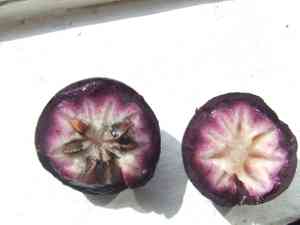
Star apple (Chrysophyllum cainito)
Also known as: Star apple, Caimito, Golden leaf tree
*Chrysophyllum cainito* is also known as the purple star apple, golden leaf tree, and milk fruit. This fruit is quite tasty, particularly when chilled, and is noted for its strong antioxidant benefits. In Sierra Leone, it is referred to as "bobi wata" or "breast milk fruit."
In This Article
Attributes of Star apple
Lifespan
Perennial
Plant Type
Tree
Plant Height
20 m
Spread
20 m
Leaf Color
Green
Flower Size
2.5 cm
Flower Color
Yellow Green White
Images of Star apple
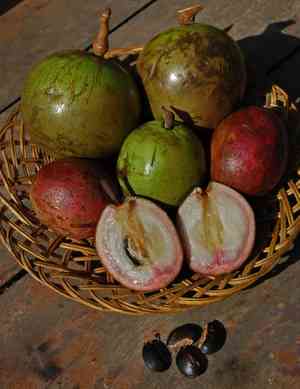
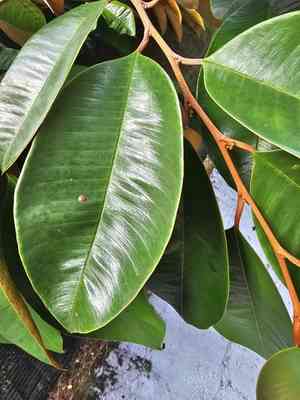
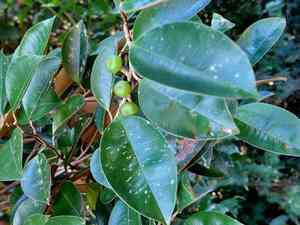
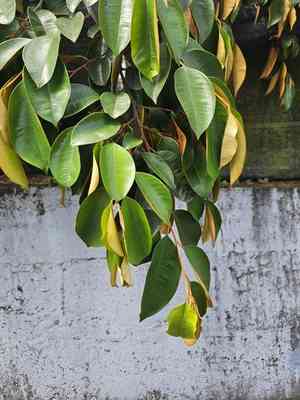
Quickly Identify Star apple
1
To identify Chrysophyllum cainito, look for its oblong leaves with a bronze underside, its small, purplish-white flowers, and its round fruit which has a star-like pattern in the pulp when cut open.
Scientific Classification of Star apple
Phylum
Vascular plants
Class
Dicotyledons
Order
Heathers and allies
Family
Sapodilla
Genus
Chrysophyllum
Species
Star apple
Planting and Growing of Star apple
Care Difficulty
Moderate
Watering Schedule
Every 3 days
Sunlight Requirements
Partial sun
Sunshine Duration
6-10 hours
Ideal Temperature
75-86℉
Soil Type
Potting Mix, Peat Mix
Soil pH
6.5-7.5
Fertilizer Type
Balanced
Pruning Season
Spring, Summer
Pruning Area
Branches, Leaves
Pruning Frequency
2 times a year
Repotting Season
Spring
Pot Type
Plastic, Ceramic
 How to Water Star apple?
For the Chrysophyllum cainito, watering should ensure the soil remains consistently moist without becoming waterlogged. Consider waiting until the top inch of soil has dried before watering again. Each watering session should typically involve approximately 1000 milliliters to evenly moisten the root zone.
What are the symptoms of an underwatered Star apple?
›
What should I do if my Star apple is not getting enough water?
›
What are the symptoms of an overwatered Star apple?
›
How to save an overwatered Star apple?
›
 What Are the Sunlight Requirements for Star apple?
Chrysophyllum cainito benefits from a mix of full and partial sun, ideally achieving 6-8 hours of light. This range supports healthy growth and productivity, aiding in proper photosynthetic activity and fruit bearing.
More About Sunlight Requirements Techniques→
How much sunlight does Chrysophyllum cainito need?
›
What solutions help achieve optimal sunlight exposure?
›
What are the benefits of providing ideal light conditions?
›
 What Is the Ideal Temperature Range for Star apple?
The ideal temperature range for Chrysophyllum cainito, commonly known as the star apple, is between 75°F and 86°F. This tropical plant thrives in warm climates and requires consistent warmth to flourish. Keeping the temperature within this range ensures the plant grows healthily, produces optimal foliage, and yields quality fruit. Night and day temperatures should remain steady without drastic fluctuations to mimic its natural environment.
 What Soil is Best for Star apple?
Chrysophyllum cainito thrives in well-drained soil, which prevents water from pooling around the roots. This drainage is crucial as it helps to avoid root rot and other water-related diseases, ensuring the plant remains healthy and vibrant. This plant flourishes in loamy soil rich in organic material. The nutrients provided by decomposed organic matter support robust growth and enhance the soil texture, enabling better root penetration and water retention. While drainage is essential, the soil should also retain some moisture to keep the Chrysophyllum cainito hydrated. A balance in moisture levels supports continuous growth and prevents the plant from experiencing drought stress.
 How to Fertilize Star apple?
For Chrysophyllum cainito, apply liquid fertilizer at a dilution rate of 1 part fertilizer to 10 parts water. Sprinkle approximately 200ml of this solution evenly around the plant's base, ensuring it reaches the root zone. Solid fertilizers should be applied at a rate of around 50 grams per plant, spread in a circle approximately 30cm from the base of the trunk.
 How to Prune Star apple?
Start by identifying dead, damaged, or crossing branches. These are prime targets for removal to ensure healthy tree development. When pruning, make your cuts at a slight angle and just above a node or bud to promote new growth and prevent disease. Trim back branches to maintain the desired shape of the tree canopy, allowing light and air to circulate freely throughout the plant.
More About Pruning Techniques→
 How to Propagate Star apple plant?
1
Gather seeds from mature Chrysophyllum cainito fruit. Clean them thoroughly to remove any pulp and allow them to dry for a few days before planting to ensure better germination rates.
2
Choose a healthy branch and make a cutting of about 15-20 cm in length. Ensure the cutting has a few nodes and leaves, and dip the lower end into rooting hormone before planting.
3
Select a healthy rootstock and a scion from the desired variety. Make a clean cut on both parts, align them carefully, and secure with grafting tape to allow successful fusion and growth.
 How to Repot Star apple plant?
1
Signs to repot include roots sprawling out of the drainage holes or growing on the soil surface. If growth stalls despite proper care and nourishment, it's time to repot. This renewal usually takes place in spring or summer to capitalize on active growth periods.
2
Select a pot that's one size up and has ample drainage holes. This ensures that excess water won't stagnate at the roots, reducing the risk of root rot. The new pot should offer enough room for root expansion, fostering healthy growth spurts in your plant.
3
A well-draining, loamy soil mix is perfect for Chrysophyllum cainito. It offers excellent aeration while retaining necessary moisture. This type of soil helps roots breathe, promoting healthier, more vigorous plant development over time.
Learn More About Star apple Diseases
Anthracnose
Bacterial Leaf Spot
Bacterial Soft Rot
Bacterial Wilt
Black Spot
Chemical Injury
Crown Gall
Damping-off
Drought Stress
Fusarium Wilt
Gray Mold
Leaf Curl
Leaf Spot
Mosaic
Nutrient Deficiency
Nutrient Toxicity
Powdery Mildew
Root Rot
Root-knot Nematode
Sooty Mold
Spider Mites
Temperature Stress
Thrips Damage
White Mold



