Mums (Chrysanthemum)(Chrysanthemum)

Mums (Chrysanthemum) (Chrysanthemum)

Also known as: Florist's daisy, Hardy garden mum

Chrysanthemums, often called mums, are widely popular worldwide due to their variety in size and color and their versatility in being cultivated both indoors and outdoors. The name "Chrysanthemum" originates from the Greek words meaning "gold" (chrysos) and "flower" (anthemion). The leaves of this plant can be steamed or boiled to make tea. In certain European regions, chrysanthemums are associated with death and are commonly used in funeral arrangements or to adorn graves.

Attributes of Mums (Chrysanthemum)

Lifespan
Perennial
Plant Height
61 cm to 91 cm
Spread
60 cm to 90 cm
Leaf Color
Dark green
Flower Size
2 to 30 centimeters
Flower Color
White, yellow, red, purple, pink, bronze

ForwardPlant - Identify plants with a snap

Identify and diagnose plants, get toxicity alerts, and explore safety guides for all types of fungi.

Try for Free

Images of Mums (Chrysanthemum)

Mums (Chrysanthemum)(Chrysanthemum)

Quickly Identify Mums (Chrysanthemum)

1
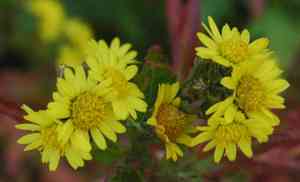
Chrysanthemums can be identified by their sturdy stems, deeply lobed leaves, and large, showy flower heads that come in various colors including white, yellow, red, and purple. The flowers can be daisy-like, pompons, or button-shaped.

Scientific Classification of Mums (Chrysanthemum)

Phylum
Magnoliophyta
Class
Magnoliopsida
Order
Asterales
Family
Asteraceae
Genus
Chrysanthemum

Planting and Growing of Mums (Chrysanthemum)

Care Difficulty
Moderate
Watering Schedule
Every 4 days
Sunlight Requirements
Full sun
Sunshine Duration
4-8 hours
Ideal Temperature
60-70℉
Soil Type
Potting Mix, Peat Mix
Soil pH
6.5-7.5
Fertilizer Type
Balanced
Pruning Season
Spring, Summer
Pruning Area
Branches, Leaves
Pruning Frequency
2 times a year
Repotting Season
Spring
Pot Type
Plastic, Ceramic

water icon How to Water Mums (Chrysanthemum)?

For a healthy Chrysanthemum, you should water it deeply enough to moisten the root zone, generally needing around 500 milliliters each time. This amount allows the roots to absorb sufficient moisture, helping the plant flourish. Ensure the soil is moist but not waterlogged, as overwatering can be detrimental.
What are the symptoms of an underwatered Mums (Chrysanthemum)?
What should I do if my Mums (Chrysanthemum) is not getting enough water?
What are the symptoms of an overwatered Mums (Chrysanthemum)?
How to save an overwatered Mums (Chrysanthemum)?

sunlight icon What Are the Sunlight Requirements for Mums (Chrysanthemum)?

Sunlight Requirements: Full sun, Partial sun
Duration of light: 6 to 8 hours
Chrysanthemums ideally require full sun for most of the day. This condition enhances bloom production, intensity, and color. Consistent sun exposure boosts the plant's health and longevity, enabling optimal flowering and resilience.
What type of sunlight is best for Chrysanthemums?
How can I ensure my Chrysanthemums receive enough light?
What are the benefits of Chrysanthemums receiving the right light?

temperature icon What Is the Ideal Temperature Range for Mums (Chrysanthemum)?

Ideal Temperature: 60 ~ 70℉
The ideal temperature range for the growth of Chrysanthemum is between 60°F and 70°F. This range supports optimal growth, floral development, and overall plant health by providing a stable environment that avoids stress.

soil icon What Soil is Best for Mums (Chrysanthemum)?

Soil type: Loam, Sandy loam
Soil PH: 6.5 ~ 7.5
Chrysanthemums thrive in well-draining soil which prevents water from pooling around the roots and causing rot. This ensures healthy root development and abundant flowering. A soil rich in organic matter provides essential nutrients that bolster the plant's growth and blooming capacity, resulting in vibrant, robust flowers. Although well-draining, the soil should retain enough moisture to keep the plant adequately hydrated without becoming waterlogged, ensuring sustained growth.

fertilize icon How to Fertilize Mums (Chrysanthemum)?

Fertilizer type: Balanced
Chrysanthemums thrive with measured amounts of fertilizer to avoid nutrient burn. Generally, mixing liquid fertilizer at one-fourth the recommended strength works well during the growing season. The goal is to maintain a balanced nutrient environment that promotes healthy blooms and robust foliage without overwhelming the plant.

prune icon How to Prune Mums (Chrysanthemum)?

Pruning Time: Spring, Summer, Autumn
Begin by removing any dead or yellowing leaves and spent flowers. This encourages the plant to focus energy on growing new blooms. Next, trim any overgrown branches to maintain shape. Try to cut just above a node for optimal growth stimulation. After the main pruning is complete, step back and observe the symmetry of the plant. Make small, careful adjustments to ensure even growth and a pleasing shape. Regular care ensures a healthy and visually appealing Chrysanthemum.

propagate icon How to Propagate Mums (Chrysanthemum) plant?

Propagate Time: Early spring, Late spring, Early summer
1
Choose a healthy, non-flowering stem from the mother plant. The cutting should be about 4-6 inches long and have several sets of leaves. Make the cut just below a node using sterilized pruning shears.
2
Remove the leaves from the bottom half of the cutting to reduce water loss and encourage root development. Dip the base in rooting hormone to stimulate faster rooting.
3
Plant the prepared cutting in a pot filled with well-draining soil mix or vermiculite. Ensure at least one or two nodes are buried in the soil. Firm the soil around the cutting and water gently.

repot icon How to Repot Mums (Chrysanthemum) plant?

Repotting frequency: Every 1-2 years
1
Chrysanthemums typically need repotting when their roots start to outgrow the current pot, becoming visible through drainage holes, or when growth seems stunted. Spring and autumn are ideal times as the plant is actively growing.
2
Choose a pot that is one or two sizes larger than the current one. A pot with sufficient drainage holes is crucial as it prevents root rot, by allowing excess water to escape, thereby keeping roots healthy.
3
Opt for a loamy, well-draining soil mix that retains adequate moisture while allowing surplus water to pass through. Such soil provides a stable foundation and delivers nutrients effectively, essential for chrysanthemum's growth.

ForwardPlant - Identify plants with a snap

Find the best spots for them to optimize their health, simply using your phone.

Try for Free

Toxicity of Mums (Chrysanthemum)

Is Mums (Chrysanthemum) toxic to cat?

All varieties of chrysanthemums possess various irritants that may lead to mild toxicity and irritation in felines. Each part of the plant harbors these hazardous compounds. When ingested, the most frequently observed symptoms of toxicity include vomiting, decreased appetite, diarrhea, and excessive drooling. Additionally, skin contact can result in irritation of the mouth, tongue, and lips.

Is Mums (Chrysanthemum) toxic to dog?

Various species of chrysanthemums (belonging to the genus Chrysanthemum) present mild to moderate toxicity to dogs. Each segment of these plants, particularly their flower heads, harbors pyrethrin along with several other dangerous toxins. Signs of ingestion encompass a loss of appetite, trembling, vomiting, diarrhea, and increased salivation. Should these symptoms escalate in severity, immediate veterinary care might be necessary.


Identify toxic plants for your safety

Learn which plants are harmful to you and your pets, and make informed choices for a safer home!

Try for Free
WARNING
The judgment on toxicity and danger is for reference only. We DO NOT GUARANTEE any accuracy of such judgment. Therefore, you SHALL NOT rely on such judgment. It is IMPORTANT TO SEEK PROFESSIONAL ADVICE in advance when necessary.
More About Toxic Techniques