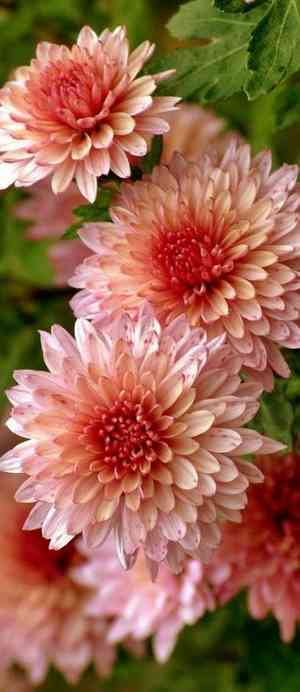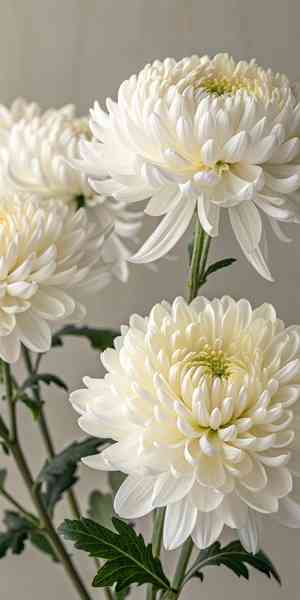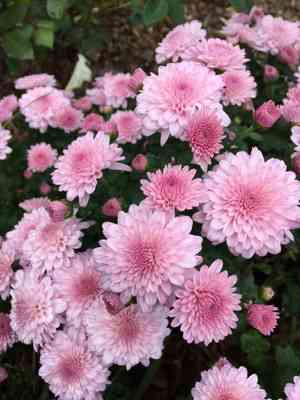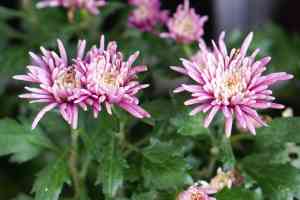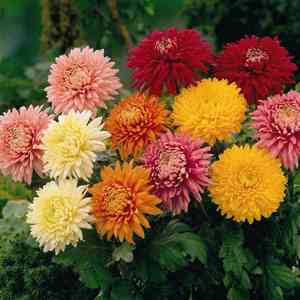
Garden mum(Chrysanthemum × morifolium)

Garden mum (Chrysanthemum × morifolium)

Also known as: Hardy garden mum

Chrysanthemum × morifolium, commonly known as the garden mum, is a perennial plant native to China. It has been grown for medicinal and ornamental purposes for over 2000 years. This plant features dark-green leaves and numerous compact flower heads available in an array of colors, making it a popular choice among gardeners and florists worldwide. In English, it is often simply called "mum."

Attributes of Garden mum

Lifespan
Perennial, Annual
Plant Type
Herb
Plant Height
15 cm to 90 cm
Spread
30 cm to 60 cm
Leaf Color
Green
Flower Size
3.5 cm to 4 cm
Flower Color
White Yellow Purple Red Pink Green Cream Orange Gold

ForwardPlant - Identify plants with a snap

Identify and diagnose plants, get toxicity alerts, and explore safety guides for all types of fungi.

Try for Free

Images of Garden mum

Garden mum(Chrysanthemum × morifolium)

Quickly Identify Garden mum

1
Identify Chrysanthemum × morifolium by its large, compound, and lobed leaves; its dense clusters of flower heads; and its diverse range of colors including white, yellow, red, and purple. The flowers are often arranged in a daisy-like shape.

Scientific Classification of Garden mum

Phylum
Vascular plants
Class
Dicotyledons
Order
Asters bellflowers fanflowers and allies
Family
Daisy
Genus
Mums
Species
Garden mum

Planting and Growing of Garden mum

Care Difficulty
Easy
Watering Schedule
Every 8 days
Sunlight Requirements
Full sun
Sunshine Duration
4-8 hours
Ideal Temperature
60-70℉
Soil Type
Potting Mix, Peat Mix
Soil pH
6.5-7.5
Fertilizer Type
Balanced
Pruning Season
Spring, Summer
Pruning Area
Branches, Leaves
Pruning Frequency
2 times a year
Repotting Season
Spring
Pot Type
Plastic, Ceramic

water icon How to Water Garden mum?

Chrysanthemum × morifolium, commonly known as the garden mum, requires a watering approach that keeps the soil consistently moist without being waterlogged. Aim to water until the soil is moist to a depth of about 15-20 cm (6-8 inches). Each time you water, use about 500 ml of water per plant, ensuring that it percolates through to the roots.
What are the symptoms of an underwatered Garden mum?
What should I do if my Garden mum is not getting enough water?
What are the symptoms of an overwatered Garden mum?
How to save an overwatered Garden mum?
More About Watering Techniques

sunlight icon What Are the Sunlight Requirements for Garden mum?

Sunlight Requirements: Full sun, Partial sun
Duration of light: 6 to 8 hours daily
Chrysanthemum × morifolium thrives best with full to partial sun. Ideally, this means allowing the plant to benefit from 6 to 8 hours of direct sunlight daily, stimulating robust growth and abundant blossoming.
How much light does Chrysanthemum × morifolium need?
What if my plant doesn't get enough light?
Can it handle high temperatures with direct sunlight?
More About Sunlight Requirements Techniques

temperature icon What Is the Ideal Temperature Range for Garden mum?

Ideal Temperature: 60 ~ 70℉
For optimal growth, Chrysanthemum × morifolium thrives in a temperature range of 60°F to 70°F. This range allows for balanced respiration and photosynthesis, promoting strong root development and vibrant flowering.

soil icon What Soil is Best for Garden mum?

Soil type: Loam, Sandy loam
Soil PH: 6.5 ~ 7.5
Chrysanthemum × morifolium thrives in well-drained loamy soil that maintains moisture without waterlogging. Well-draining soil prevents root rot, ensuring the plant continues to absorb nutrients effectively, promoting robust growth and vibrant blooms. This plant benefits from soil enriched with organic matter. Organic materials like compost improve soil texture, enhance water retention, and provide essential nutrients, fostering healthier growth and abundant flowering. Maintaining a soil pH between 6.5 and 7.5 is crucial for optimal nutrient absorption in Chrysanthemum × morifolium. This pH range ensures availability of nutrients like iron and manganese, crucial for the plant's lush foliage and flower production. More About Soil

fertilize icon How to Fertilize Garden mum?

Fertilizer type: Balanced
For Chrysanthemum × morifolium, using a balanced liquid fertilizer, typically a 20-20-20 NPK mix, at half strength is effective. Dilute it in water following the package instructions, typically 1/4th tablespoon per gallon, to avoid overwhelming the plant. More About Fertilizing Techniques

prune icon How to Prune Garden mum?

Pruning Time: Spring, Summer, Autumn
Begin by removing any dead or damaged stems. Focus on giving the plant a balanced shape by cutting back overgrown areas and encouraging uniform growth. Prune lightly in the early stages of growth to encourage a bushy appearance. After the flowering season, cut back the Chrysanthemum × morifolium to a third of its size. This helps to prepare the plant for its next growth cycle, removing any spent blooms and invigorating the plant for future blooming seasons. More About Pruning Techniques

propagate icon How to Propagate Garden mum plant?

Propagate Time: Spring, Late spring, Early spring
1
Choose a healthy, mature Chrysanthemum plant with no signs of disease or pest infestation. This ensures that the cuttings taken will be robust and have a higher chance of successful growth.
2
Use sharp pruning shears to cut about 4-6 inches of healthy stem from the parent plant. Make the cut just below a node, as this is where new roots are most likely to form.
3
Dip the cut end of the cutting into the rooting hormone and plant it in a well-draining potting mix. Maintain soil moisture and cover with a plastic bag to retain humidity until roots develop.
More About Propagating Techniques

repot icon How to Repot Garden mum plant?

Repotting frequency: Every 1-2 years
1
Chrysanthemum × morifolium shows signs of needing repotting when roots start growing out of the drainage holes, suggesting the plant has outgrown its current pot. Additionally, a slowing growth pattern could also suggest a need for new, nutrient-rich soil.
2
Select a pot that is one size larger than the current one, with ample drainage holes. The benefit of this is to allow space for root expansion, reduce root rot risk and enhance overall plant health by maintaining balanced moisture levels.
3
Opt for a well-draining potting mix, ideally containing peat, perlite, and sand. This blend ensures efficient water drainage, preventing waterlogging while retaining enough moisture for the plant’s needs, fostering robust growth and vibrant blooms.
More About Repotting Techniques

ForwardPlant - Identify plants with a snap

Find the best spots for them to optimize their health, simply using your phone.

Try for Free

Toxicity of Garden mum

Is Garden mum toxic to cat?

Garden mums are regarded as toxic to felines. Cats may unknowingly consume this plant, which poses a risk of poisoning. Given that every part of the garden mum is toxic, this presents a significant worry for cat guardians. If a cat consumes any part of the plant, it may show signs of physical distress, such as gastrointestinal issues and other indications of illness. It is crucial for cat owners to be aware of these dangers and to ensure that garden mums are kept out of their pets' reach. In case of suspected poisoning, it is vital to take the cat to a veterinary clinic for immediate treatment.

Is Garden mum toxic to dog?

The garden mum is recognized as toxic to dogs. Canines face the risk of poisoning if they ingest any portion of the plant, as all parts are deemed hazardous. Should a dog consume garden mum, it may display symptoms like vomiting, diarrhea, excessive salivation, skin irritation, or impaired coordination. The severity of these symptoms can vary based on the amount ingested and the dog's individual sensitivity. If a dog has ingested garden mum, it's crucial to seek prompt veterinary attention to ensure appropriate treatment and symptom management.

Identify toxic plants for your safety

Learn which plants are harmful to you and your pets, and make informed choices for a safer home!

Try for Free
WARNING
The judgment on toxicity and danger is for reference only. We DO NOT GUARANTEE any accuracy of such judgment. Therefore, you SHALL NOT rely on such judgment. It is IMPORTANT TO SEEK PROFESSIONAL ADVICE in advance when necessary.
More About Toxic Techniques