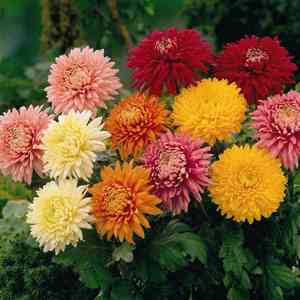
Garden mum (Chrysanthemum × morifolium)
Also known as: Hardy garden mum
Chrysanthemum × morifolium, commonly known as the garden mum, is a perennial plant native to China. It has been grown for medicinal and ornamental purposes for over 2000 years. This plant features dark-green leaves and numerous compact flower heads available in an array of colors, making it a popular choice among gardeners and florists worldwide. In English, it is often simply called "mum."
Attributes of Garden mum
Images of Garden mum
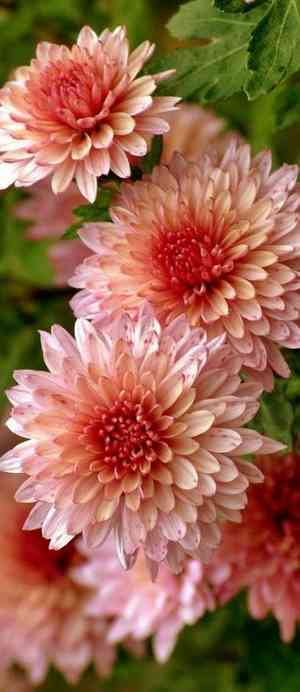

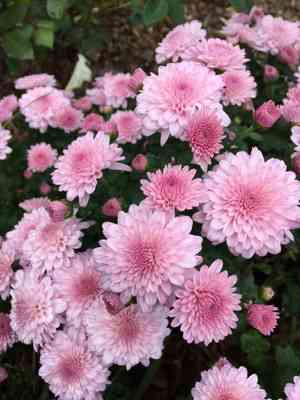
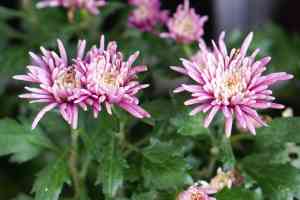
Quickly Identify Garden mum
Scientific Classification of Garden mum
Planting and Growing of Garden mum
 How to Water Garden mum?
 What Are the Sunlight Requirements for Garden mum?
 What Is the Ideal Temperature Range for Garden mum?
 What Soil is Best for Garden mum?
 How to Fertilize Garden mum?
 How to Prune Garden mum?
 How to Propagate Garden mum plant?
 How to Repot Garden mum plant?
Toxicity of Garden mum
Is Garden mum toxic to cat?
Garden mums are regarded as toxic to felines. Cats may unknowingly consume this plant, which poses a risk of poisoning. Given that every part of the garden mum is toxic, this presents a significant worry for cat guardians. If a cat consumes any part of the plant, it may show signs of physical distress, such as gastrointestinal issues and other indications of illness. It is crucial for cat owners to be aware of these dangers and to ensure that garden mums are kept out of their pets' reach. In case of suspected poisoning, it is vital to take the cat to a veterinary clinic for immediate treatment.
Is Garden mum toxic to dog?
The garden mum is recognized as toxic to dogs. Canines face the risk of poisoning if they ingest any portion of the plant, as all parts are deemed hazardous. Should a dog consume garden mum, it may display symptoms like vomiting, diarrhea, excessive salivation, skin irritation, or impaired coordination. The severity of these symptoms can vary based on the amount ingested and the dog's individual sensitivity. If a dog has ingested garden mum, it's crucial to seek prompt veterinary attention to ensure appropriate treatment and symptom management.



