Chrysactinia (Chrysactinia) (Chrysactinia)
Also known as: Damianita, Chrysactinia mexicana
Chrysactinia, especially Chrysactinia mexicana (Damianita), is favored for prairie gardens due to its striking yellow flowers that stand out against its lush green foliage. These evergreen shrubs are celebrated for their drought resistance, making them low-maintenance and easy to cultivate. Additionally, they are hardy and typically free from significant pests and diseases, adding to their appeal for gardeners.
In This Article
Attributes of Chrysactinia (Chrysactinia)
Lifespan
Perennial
Plant Height
1-3 feet (30-90 cm)
Spread
1-2 feet (30-60 cm)
Leaf Color
Green
Flower Size
1 inch (2.5 cm)
Flower Color
Bright yellow
Images of Chrysactinia (Chrysactinia)
Quickly Identify Chrysactinia (Chrysactinia)
1
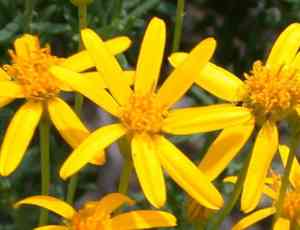
Chrysactinia can be identified by its small, shrubby form, bright yellow flowers that resemble daisies, and its aromatic, finely divided leaves. It blooms primarily in the spring and fall.
Scientific Classification of Chrysactinia (Chrysactinia)
Phylum
Angiosperms
Class
Magnoliopsida
Order
Asterales
Family
Asteraceae
Genus
Chrysactinia
Planting and Growing of Chrysactinia (Chrysactinia)
Care Difficulty
Moderate
Watering Schedule
Every 3 days
Sunlight Requirements
Full sun
Sunshine Duration
6-8 hours
Ideal Temperature
65-75℉
Soil Type
Potting Mix, Peat Mix
Soil pH
6.5-7.5
Fertilizer Type
Balanced
Pruning Season
Spring, Summer
Pruning Area
Branches, Leaves
Pruning Frequency
2 times a year
Repotting Season
Spring
Pot Type
Plastic, Ceramic
 How to Water Chrysactinia (Chrysactinia)?
When watering Chrysactinia, ensure the soil is drenched thoroughly with approximately 500 milliliters of water per session. The aim is to let the water reach the root zone, without leaving the soil soggy for long periods. It is crucial to allow the top two inches of soil to dry out between waterings.
What are the symptoms of an underwatered Chrysactinia (Chrysactinia)?
›
What should I do if my Chrysactinia (Chrysactinia) is not getting enough water?
›
What are the symptoms of an overwatered Chrysactinia (Chrysactinia)?
›
How to save an overwatered Chrysactinia (Chrysactinia)?
›
 What Are the Sunlight Requirements for Chrysactinia (Chrysactinia)?
Chrysactinia benefits from a full sun positioning, receiving 6 to 8 hours of direct sunlight. Adequate sunlight enhances blooming and maintains the plant's compact and healthy growth.
How much sunlight does Chrysactinia need?
›
What if my Chrysactinia gets too much or too little light?
›
How can I adjust the lighting conditions for Chrysactinia?
›
 What Is the Ideal Temperature Range for Chrysactinia (Chrysactinia)?
For the optimum growth of Chrysactinia, maintaining a temperature range of 65°F to 75°F is ideal. This range promotes healthy and robust growth, ensuring the plant can photosynthesize efficiently and access necessary resources for maximal development. This stable condition also aids in the plant’s resilience to pests and diseases.
 What Soil is Best for Chrysactinia (Chrysactinia)?
Chrysactinia thrives in well-drained soils that prevent waterlogging, which could otherwise lead to root rot. Good drainage is essential to its health, given that it is adapted to arid environments. While not overly demanding, Chrysactinia prefers a soil with moderate fertility. Soils moderately rich in nutrients support its growth and enhance flowering, providing a vibrant display. Incorporating some organic matter into the soil helps maintain moisture without waterlogging, benefiting Chrysactinia's growth by ensuring a balance in water retention and drainage.
 How to Fertilize Chrysactinia (Chrysactinia)?
For Chrysactinia, it is recommended to use a balanced all-purpose fertilizer. Apply liquid fertilizer at a dilution ratio of about 1:2,000 every two weeks. When using slow-release granules, apply around 50 grams evenly across the soil surface every four months, making sure not to over-fertilize as this can damage roots.
 How to Prune Chrysactinia (Chrysactinia)?
Use sharp, sterilized pruning shears to remove any dead or diseased wood first. Then, trim back the green growth slightly to encourage denser branching and more flowers. Aim for a rounded shape for a tidier look.
 How to Propagate Chrysactinia (Chrysactinia) plant?
1
Start by soaking seeds in water for 24 hours to soften the seed coat. This helps enhance germination rates by facilitating easier water absorption.
2
Fill a seed tray with a well-draining seed-starting mix. Sow the seeds on the surface and cover them with a thin layer of the mix. Water gently and keep the soil consistently moist.
3
Select a healthy, non-flowering stem from a mature plant. Make a clean cut below a leaf node using pruning shears. Remove the lower leaves and dip the cut end in a rooting hormone before planting in a moist medium.
 How to Repot Chrysactinia (Chrysactinia) plant?
1
Chrysactinia should be repotted when you notice roots growing out of the drainage holes or when the growth seems stunted. Spring is ideal, as the plant prepares for a new growth cycle, making it more resilient to the transitional stress of repotting.
2
Select a pot that is one size larger than the current one, ensuring it has ample drainage holes. A pot too large can lead to water retention, whereas a correctly sized pot allows better control of moisture levels, vital for the plant's health.
3
Opt for a well-draining cactus mix, which should be light and airy. This allows for proper water drainage and avoids the risk of root rot. The ideal soil mix promotes root health by providing aeration and proper nutrients.

