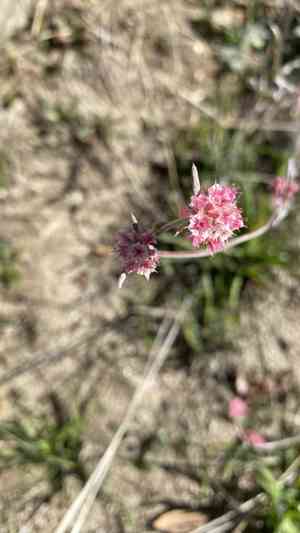
Spineflowers (Chorizanthe) (Chorizanthe)
Also known as: Spineflower, Eriogonum
Spineflowers are modest, herbaceous plants featuring spiny-looking clusters of flowers that come in colors ranging from red and yellow to white. Their pointed bracts can end in a hooked awn, and the flower clusters often dry into a spiky, rounded husk. Geographically, spineflowers are located in western North America, with some species also present in South America.
In This Article
Attributes of Spineflowers (Chorizanthe)
Lifespan
Annual
Plant Height
5-50 cm, depending on species
Spread
Varies widely
Leaf Color
Green, sometimes with reddish tinges
Flower Size
1-10 mm, depending on species
Flower Color
White, pink, red, or yellow
Images of Spineflowers (Chorizanthe)
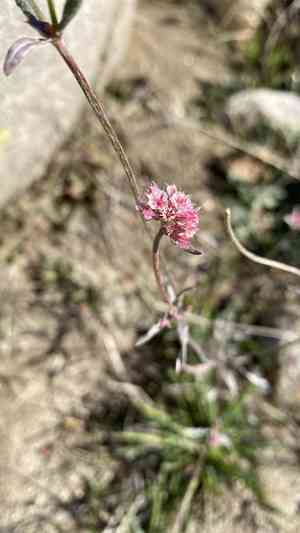
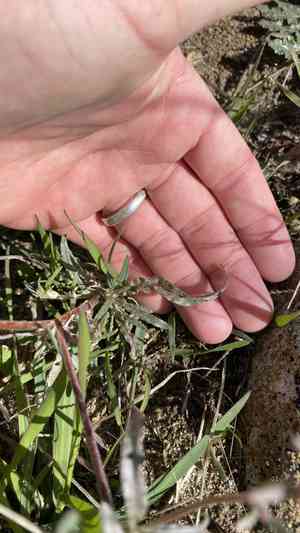

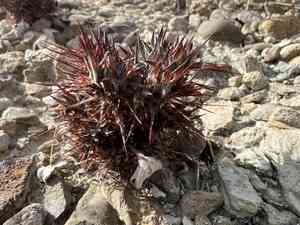
Quickly Identify Spineflowers (Chorizanthe)
1
Chorizanthe plants can be identified by their small, clustered flowers surrounded by sharp, spiny bracts. The plants typically have slender, often branched stems and can exhibit a wide variety of colors among different species.
Scientific Classification of Spineflowers (Chorizanthe)
Phylum
Tracheophyta
Class
Magnoliopsida
Order
Caryophyllales
Family
Polygonaceae
Genus
Chorizanthe
Planting and Growing of Spineflowers (Chorizanthe)
Care Difficulty
Moderate
Watering Schedule
Every day
Sunlight Requirements
Full sun
Sunshine Duration
6-10 hours
Ideal Temperature
65-75℉
Soil Type
Potting Mix, Peat Mix
Soil pH
6.5-7.5
Fertilizer Type
Balanced
Pruning Season
Spring, Summer
Pruning Area
Branches, Leaves
Pruning Frequency
2 times a year
Repotting Season
Spring
Pot Type
Ceramic, Plastic
 How to Water Spineflowers (Chorizanthe)?
Watering amount should follow the principle of keeping the soil lightly moist but not soggy. Approximately 150 ml of water should be provided to ensure the soil is evenly moistened without water pooling on the surface.
What are the symptoms of an underwatered Spineflowers (Chorizanthe)?
›
What should I do if my Spineflowers (Chorizanthe) is not getting enough water?
›
What are the symptoms of an overwatered Spineflowers (Chorizanthe)?
›
How to save an overwatered Spineflowers (Chorizanthe)?
›
 What Are the Sunlight Requirements for Spineflowers (Chorizanthe)?
Chorizanthe prefers abundant sunlight for vigorous growth and vibrant blooms. Ideal light conditions ensure energy needs for flowering and thriving in its native warm climates.
How much sun does Chorizanthe need?
›
What if you only have partial sun?
›
How to ensure your Chorizanthe gets enough sun?
›
 What Is the Ideal Temperature Range for Spineflowers (Chorizanthe)?
For optimal growth, Chorizanthe species thrive in temperatures ranging from 65 to 75°F. These conditions simulate their native habitats, where mild temperatures are prevalent, ensuring robust growth and flower production. Maintaining this temperature range supports ideal photosynthetic efficiency and overall plant health.
 What Soil is Best for Spineflowers (Chorizanthe)?
Chorizanthe thrives in well-drained soil, which provides crucial aeration for roots, preventing root rot and promoting vigorous plant health. Ensuring adequate drainage is essential for optimal growth. Chorizanthe prefers sandy textured soils that allow water to permeate quickly, minimizing waterlogging risks. This characteristic also helps maintain the stability of soil moisture, beneficial to its drought tolerance. While Chorizanthe is not very demanding, it flourishes in soils of moderate fertility. This balance ensures sufficient nutrients without overwhelming the plant, supporting steady growth and flower production.
 How to Fertilize Spineflowers (Chorizanthe)?
For Chorizanthe, it is crucial to apply just the right amount of fertilizer to maintain its health without causing harm. Typically, apply about half a tablespoon of liquid fertilizer per gallon of water, ensuring not to flood the soil. The slow-release variety should be used sparingly, aligning with the specific needs of the plant.
 How to Prune Spineflowers (Chorizanthe)?
Begin by identifying dead or damaged stems and remove them to prevent disease spread. Next, shape the plant by cutting back to a healthy bud, which will encourage branching and fuller growth. Always cut at a 45-degree angle. Aside from removing dead material, focus on maintaining a pleasing shape. Keep the plant open to allow air circulation, preventing fungal growth. Ensure that the pruning is done in a balanced manner to maintain the plant's aesthetic appeal.
 How to Propagate Spineflowers (Chorizanthe) plant?
1
Fill the seed tray with the well-draining potting mix ensuring it is evenly distributed. Make sure there are no large clumps and the surface is level.
2
Sprinkle Chorizanthe seeds evenly over the surface of the prepared potting mix. Lightly press them into the soil but do not bury, as some light is needed for germination.
3
Mist the surface gently with water to provide moisture without disturbing the seeds. Place the tray in a bright location but not in direct sunlight to maintain a warm environment.
 How to Repot Spineflowers (Chorizanthe) plant?
1
You'll know it's time to repot Chorizanthe when you notice roots emerging from the drainage holes or the plant begins to outgrow its current pot significantly. This usually happens every couple of years, but observing these signals is key to determining the ideal timing.
2
Select a pot that is slightly larger than the current one, ensuring it has ample drainage holes. A clay or terracotta pot is ideal as it allows excess moisture to escape, preventing root rot and keeping your Chorizanthe healthy.
3
Opt for a well-draining sandy soil mix to replicate its natural environment. This ensures proper aeration for the roots, reducing the risk of overwatering and allowing Chorizanthe to thrive in its new pot.
Learn More About Spineflowers (Chorizanthe) Diseases
Anthracnose
Bacterial Leaf Spot
Bacterial Soft Rot
Bacterial Wilt
Black Spot
Chemical Injury
Crown Gall
Cyst Nematode
Damping-off
Downy Mildew
Drought Stress
Fusarium Wilt
Gray Mold
Leaf Spot
Mosaic
Nutrient Deficiency
Nutrient Toxicity
Powdery Mildew
Root Rot
Root-knot Nematode
Rusts
Sooty Mold
Spider Mites
Temperature Stress
Thrips Damage
White Mold

