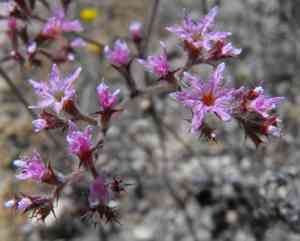
Fringed spineflower (Chorizanthe fimbriata)
Also known as: Lace-fringed spineflower
The fringed spineflower (Chorizanthe fimbriata) thrives in dry, well-drained environments such as chaparral, coastal sage scrub, and open woodlands in California. It features distinctive fringed, spine-like bracts around its small, white to pinkish flowers. This plant is well-adapted to sandy or rocky soils and often grows in sunny, open areas. Its gray-green foliage forms low, dense mats that help conserve moisture, with vibrant blooms appearing in the spring and early summer.
In This Article
Attributes of Fringed spineflower
Lifespan
Annual
Plant Type
Herb
Plant Height
5-30 cm
Spread
Not applicable
Leaf Color
Green
Flower Size
0.5-1 cm
Flower Color
Pink, White
Images of Fringed spineflower

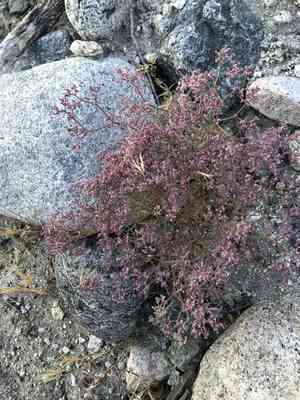
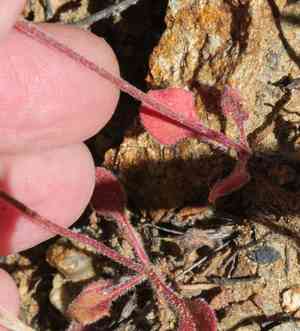
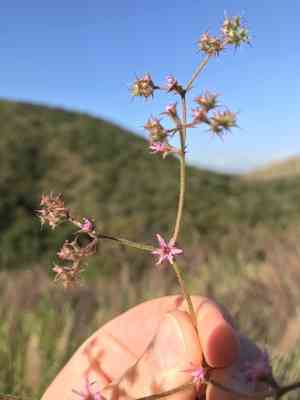
Quickly Identify Fringed spineflower
1
To identify Chorizanthe fimbriata, look for its unique fringed flowers and a dense cluster of spiny bracts surrounding each flower. The leaves are typically basal and form a rosette at the base of the plant. The stems are slender and can be either erect or sprawling.
Scientific Classification of Fringed spineflower
Phylum
Vascular plants
Class
Dicotyledons
Order
Caryophyllales
Family
Buckwheat
Genus
Spineflowers
Species
Fringed spineflower
Planting and Growing of Fringed spineflower
Care Difficulty
Hard
Watering Schedule
Every 2 days
Sunlight Requirements
Full sun
Sunshine Duration
4-6 hours
Ideal Temperature
60-70℉
Soil Type
Potting Mix, Peat Mix
Soil pH
6.5-7.5
Fertilizer Type
Balanced
Pruning Season
Spring, Summer
Pruning Area
Branches, Leaves
Pruning Frequency
2 times a year
Repotting Season
Spring
Pot Type
Plastic, Ceramic
 How to Water Fringed spineflower?
Chorizanthe fimbriata requires moderate watering, around 250 milliliters per session. The goal is to moisten the soil without making it soggy. Allow the water to seep in, ensuring the top inch of the soil feels damp but not waterlogged. It's best to simulate a light rain shower rather than a heavy downpour.
What are the symptoms of an underwatered Fringed spineflower?
›
What should I do if my Fringed spineflower is not getting enough water?
›
What are the symptoms of an overwatered Fringed spineflower?
›
How to save an overwatered Fringed spineflower?
›
 What Are the Sunlight Requirements for Fringed spineflower?
Ideal light conditions for Chorizanthe fimbriata involve a balance of full and partial sun. Adequate light levels promote healthy growth, maintain lush foliage, and encourage prolific flowering.
Ideal Lighting Hours
›
Light Intensity
›
Location for Optimal Sunlight
›
 What Is the Ideal Temperature Range for Fringed spineflower?
The ideal temperature range for Chorizanthe fimbriata lies between 60°F and 70°F. This range supports optimal growth and flowering. Maintaining temperatures within this range ensures the plant metabolism and photosynthesis processes function effectively, fostering healthy growth.
 What Soil is Best for Fringed spineflower?
Chorizanthe fimbriata thrives best in well-draining soil, avoiding waterlogged conditions that can lead to root rot. Such soil mimics its natural habitat, ensuring healthy growth and vibrant blooms. This plant prefers a soil that's not too rich in nutrients, reflecting its adaptation to habitats where nutrient levels are naturally low. This encourages the plant to develop more robust and drought-tolerant characteristics. A pH range of 6.5 to 7.5 is ideal, as it allows the plant to access essential nutrients without the risk of nutrient lockout or deficiencies, facilitating optimal health and growth.
 How to Fertilize Fringed spineflower?
Chorizanthe fimbriata typically requires a modest amount of fertilizer. Using a balanced liquid fertilizer, aim for a dilution of about one-half the recommended amount on the label. For slow-release granules, apply sparingly according to package instructions, ensuring not to overload the plant with nutrients.
 How to Prune Fringed spineflower?
Start by inspecting the plant for any dead, damaged, or diseased stems. These should be pruned away first to prevent the spread of disease and to open up space for healthier growth. Prune the stems back to a healthy bud or side branch. This encourages the plant to channel its energy into producing new, vigorous growth and helps maintain a desirable shape. Trim the outer parts of the plant to maintain a compact and aesthetically pleasing shape. This not only enhances the plant's appearance but also allows for even light distribution across all parts of the plant.
More About Pruning Techniques→
 How to Propagate Fringed spineflower plant?
1
Fill seed trays with a sterile potting mix, leaving about 1 cm from the top. Ensure the mix is moist but not waterlogged. This provides an ideal setting for seed germination by maintaining required humidity levels.
2
Gently scatter Chorizanthe fimbriata seeds over the potting mix surface. Cover seeds lightly with a thin layer of additional mix or sand to secure them in place, supporting good soil contact for germination.
3
Use a fine mist spray to water the seeds, ensuring even moisture without dislodging them. Check trays daily to maintain constant moisture until germination occurs, typically in 14-21 days.
 How to Repot Fringed spineflower plant?
1
Repot Chorizanthe fimbriata when you notice the roots encircling the base of the pot, or if growth appears stunted despite regular care. Spring and autumn are ideal, providing a balance of light and temperature for recovery.
2
Opt for a pot just a couple of inches larger in diameter than the current one. Ensure it has adequate drainage holes to prevent waterlogging, which can lead to root rot. The right size ensures a fresh spread for roots, promoting healthier growth.
3
Choose a well-draining sandy soil mix to mimic the plant's natural habitat, preventing water retention and nutrient build-up. This soil composition supports root aeration and drainage, crucial for the plant's overall health.
Learn More About Fringed spineflower Diseases
Anthracnose
Bacterial Leaf Spot
Bacterial Soft Rot
Bacterial Wilt
Black Spot
Chemical Injury
Crown Gall
Cyst Nematode
Damping-off
Downy Mildew
Drought Stress
Fusarium Wilt
Gray Mold
Leaf Spot
Mosaic
Nutrient Deficiency
Nutrient Toxicity
Powdery Mildew
Root Rot
Root-knot Nematode
Rusts
Sooty Mold
Spider Mites
Temperature Stress
Thrips Damage
White Mold



