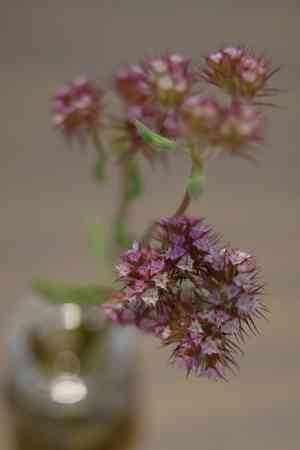
Douglas's spineflower (Chorizanthe douglasii)
Also known as: Douglas' Spineflower
Douglas's spineflower (Chorizanthe douglasii) is a hardy annual that thrives in sandy or gravelly soils, commonly located in coastal scrub, chaparral, and oak woodlands. It prefers well-drained soils and full sunlight.
This plant is characterized by its small, woolly flowers, which are typically pink or white and may have spiny or bristly textures. The leaves are arranged in a basal rosette, and the wiry stems, which can be prostrate or ascending, bear clusters of tiny flowers at their ends, showcasing its adaptation to arid and challenging conditions.
In This Article
Attributes of Douglas's spineflower
Lifespan
Annual
Plant Type
Herb
Plant Height
Up to 15 cm
Spread
Not applicable
Leaf Color
Green
Flower Size
Around 5 mm
Flower Color
White to pinkish
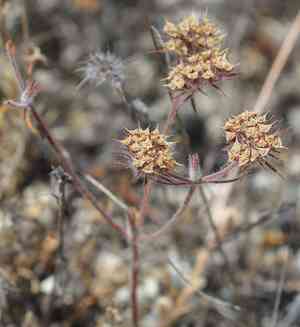
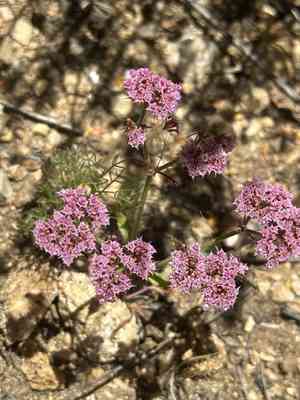
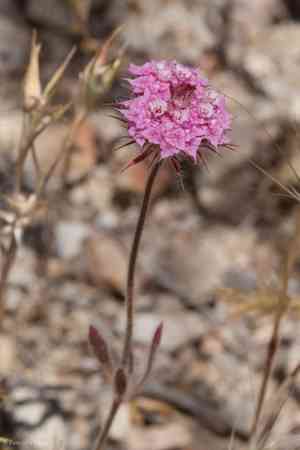
Images of Douglas's spineflower
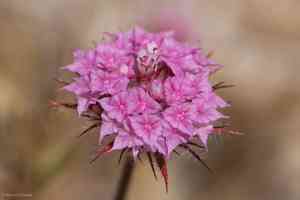
Quickly Identify Douglas's spineflower
1
Douglas\' Spineflower can be identified by its tiny, white to pinkish flowers that form in dense clusters. The plant has slender, branched stems and typically grows low to the ground. Its leaves are small and narrow, found mainly at the base.
Scientific Classification of Douglas's spineflower
Phylum
Vascular plants
Class
Dicotyledons
Order
Caryophyllales
Family
Buckwheat
Genus
Spineflowers
Species
Douglas's spineflower
Planting and Growing of Douglas's spineflower
Care Difficulty
Moderate
Watering Schedule
Every day
Sunlight Requirements
Full sun
Sunshine Duration
10-12 hours
Ideal Temperature
55-75℉
Soil Type
Potting Mix, Peat Mix
Soil pH
6.5-7.5
Fertilizer Type
Balanced
Pruning Season
Spring, Summer
Pruning Area
Branches, Leaves
Pruning Frequency
2 times a year
Repotting Season
Spring
Pot Type
Plastic, Terracotta
 How to Water Douglas's spineflower?
Chorizanthe douglasii, commonly known as the Douglas' Spineflower, requires careful attention to its watering needs. It thrives best when watered deeply but infrequently. The goal is to provide approximately 150 milliliters per session to reach the roots efficiently while allowing the soil to dry out completely between waterings to mimic its native dry, rocky environments.
What are the symptoms of an underwatered Douglas's spineflower?
›
What should I do if my Douglas's spineflower is not getting enough water?
›
What are the symptoms of an overwatered Douglas's spineflower?
›
How to save an overwatered Douglas's spineflower?
›
 What Are the Sunlight Requirements for Douglas's spineflower?
Full sun to partial sun is ideal, fostering vigorous growth and flowering. Optimal light supports healthy development and enhances the plant's ability to withstand environmental stresses.
How much sunlight does Chorizanthe douglasii need daily?
›
What strategies can help provide ideal lighting for Chorizanthe douglasii?
›
What benefits arise from Chorizanthe douglasii receiving optimal light exposure?
›
 What Is the Ideal Temperature Range for Douglas's spineflower?
The ideal temperature range for Chorizanthe douglasii lies between 55°F and 75°F. This range provides optimal conditions for growth by ensuring sufficient warmth without the risk of overheating. Maintaining these temperatures supports healthy metabolic processes and encourages vibrant blooming.
 What Soil is Best for Douglas's spineflower?
Chorizanthe douglasii thrives in well-draining soil as it prevents root rot and promotes healthy growth. Ensuring good drainage mimics its natural habitat conditions, keeping the roots oxygenated and healthy. This plant does best in soil with moderate nutrient levels, avoiding overly rich mixes. This balance supports strong growth without exacerbating nutrient burn or lush foliage that stresses the plant. Maintaining a pH between 6.5 and 7.5 is ideal. This range ensures optimal nutrient uptake and helps prevent trace element deficiencies, promoting vibrant and stable growth.
 How to Fertilize Douglas's spineflower?
Chorizanthe douglasii, commonly known as Douglas' spineflower, requires careful consideration of fertilizer amounts. While it typically grows in nutrient-poor soils, a diluted liquid fertilizer solution, applied at half the recommended strength, can be beneficial. Avoid over-fertilizing, as it may lead to root burn or inhibited growth.
 How to Prune Douglas's spineflower?
Begin by observing your plant closely to identify any dead or damaged stems. Chorizanthe douglasii, also known as Douglas' spineflower, has a distinctive structure, so taking a few moments to familiarize yourself with its natural growth pattern is crucial before making any cuts. Using sharp, sterilized pruning shears, make clean cuts at a 45-degree angle. Focus on removing dead or damaged stems first, as this will encourage new growth. Trim sparingly during the growing season to avoid stressing the plant, especially focusing on maintaining its compact form. To enhance flowering, consider pinching back the tips of the plant in early spring. This method stimulates bushier growth and increases flower production, making your Douglas' spineflower an eye-catching addition to your garden.
More About Pruning Techniques→
 How to Propagate Douglas's spineflower plant?
1
Collect mature seeds from the plant when they are dry and ready to be dispersed. Ensure they are stored in a cool, dry place if not sown immediately.
2
Prepare a well-draining soil mix in the seed tray. A mix of sand, perlite, and peat moss can create an ideal environment for seed germination.
3
Sow the seeds evenly over the surface of the growing medium. Lightly cover them with a thin layer of soil or sand, as they require some light to germinate.
 How to Repot Douglas's spineflower plant?
1
Chorizanthe douglasii shows signs of needing repotting when its roots start to emerge from the drainage holes, or if its growth noticeably slows down, even in favorable conditions. The best time to repot is during the active growth periods of spring and summer when the plant can quickly adapt and thrive in its new environment.
2
Choose a pot that is slightly larger than the current one with ample drainage holes. Terracotta pots are ideal as they allow for better aeration and prevent root rot. A correctly sized pot will enable the plant to establish more effectively, reducing the risk of root bound conditions.
3
For Chorizanthe douglasii, select a well-draining sandy soil mix. This type of soil prevents water retention, minimizing the risk of root rot. A proper soil mix mimics the plant's natural habitat, promoting healthier growth and reducing susceptibility to pests and diseases.
Learn More About Douglas's spineflower Diseases
Bacterial Leaf Spot
Bacterial Soft Rot
Bacterial Wilt
Chemical Injury
Crown Gall
Cyst Nematode
Damping-off
Downy Mildew
Drought Stress
Fusarium Wilt
Gray Mold
Leaf Spot
Mosaic
Nutrient Deficiency
Nutrient Toxicity
Powdery Mildew
Root Rot
Root-knot Nematode
Rusts
Sooty Mold
Spider Mites
Temperature Stress
Thrips Damage
White Mold



