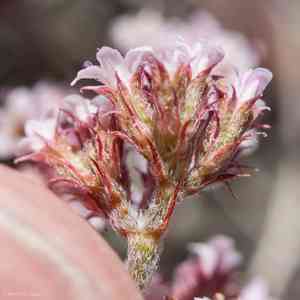
San luis obispo spineflower (Chorizanthe breweri)
Also known as: Brewer's spineflower
The San Luis Obispo spineflower, an herbaceous perennial, is noted for its vibrant magenta to purple blossoms. It typically grows in coastal sage scrub, chaparral, and grassland areas, favoring sandy or well-drained soils. This plant's unique needle-like bracts form a striking contrast to its colorful flowers, helping it retain moisture in the challenging conditions of its native habitats in San Luis Obispo County, California.
In This Article
Attributes of San luis obispo spineflower
Lifespan
Annual
Plant Type
Herb
Plant Height
10-30 cm
Spread
Not generally applicable as it is an herbaceous plant.
Leaf Color
Green
Flower Size
5-8 mm
Flower Color
White or pinkish
Images of San luis obispo spineflower
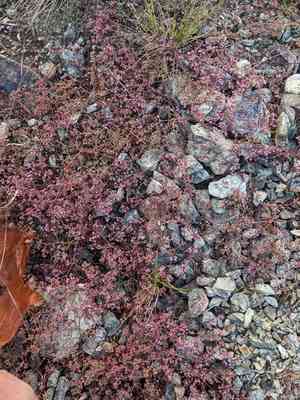
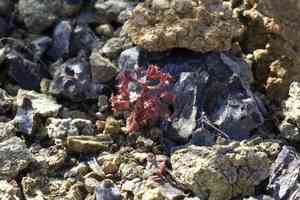
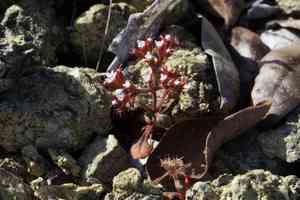
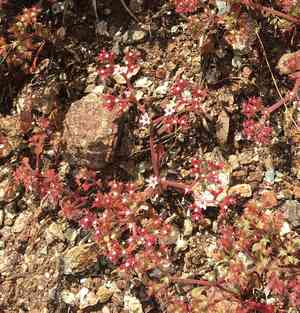
Quickly Identify San luis obispo spineflower
1
The plant is identified by its small, spiny flowers which are white or pinkish. The leaves are basal, and the plant tends to have a sprawling growth habit.
Scientific Classification of San luis obispo spineflower
Phylum
Vascular plants
Class
Dicotyledons
Order
Caryophyllales
Family
Buckwheat
Genus
Spineflowers
Species
San luis obispo spineflower
Planting and Growing of San luis obispo spineflower
Care Difficulty
Hard
Watering Schedule
Every 2 days
Sunlight Requirements
Full sun
Sunshine Duration
6-10 hours
Ideal Temperature
65-75℉
Soil Type
Potting Mix, Peat Mix
Soil pH
6.5-7.5
Fertilizer Type
Balanced
Pruning Season
Spring, Summer
Pruning Area
Branches, Leaves
Pruning Frequency
2 times a year
Repotting Season
Spring
Pot Type
Plastic, Ceramic
 How to Water San luis obispo spineflower?
Chorizanthe breweri doesn't require much water, making it perfect for low-maintenance gardening. Each watering session should provide around 120ml, enough to moisten the soil without waterlogging it. Allow the topsoil to dry out in between watering. This plant prefers arid conditions, mimicking its natural habitat, so moderation is essential.
What are the symptoms of an underwatered San luis obispo spineflower?
›
What should I do if my San luis obispo spineflower is not getting enough water?
›
What are the symptoms of an overwatered San luis obispo spineflower?
›
How to save an overwatered San luis obispo spineflower?
›
 What Are the Sunlight Requirements for San luis obispo spineflower?
Chorizanthe breweri ideally needs full sun to partial sun conditions with 4 to 8 hours of direct sunlight. This range promotes strong structural and flowering development, aiding in its long-term vitality.
How much light does Chorizanthe breweri need?
›
What are the best ways to provide ideal lighting?
›
Why is ideal lighting crucial for Chorizanthe breweri?
›
 What Is the Ideal Temperature Range for San luis obispo spineflower?
The ideal temperature range for Chorizanthe breweri is between 65°F and 75°F. This range ensures optimal growth and flowering, as it mimics the natural warm climate the plant thrives in. Maintaining this temperature range helps in sustaining the plant's metabolic processes effectively.
 What Soil is Best for San luis obispo spineflower?
Chorizanthe breweri thrives in well-drained soil, which facilitates crucial air and water movement necessary for root health and growth. Ensuring well-drained conditions helps prevent root rot and promotes vigorous plant development. This plant favors dry soils as it is adapted to arid environments. Dry soil prevents waterlogged conditions that can stunt growth or lead to disease, making it essential for Chorizanthe breweri's survival in its natural habitats. Chorizanthe breweri can tolerate nutrient-poor soils, which often have fewer competing vegetation. By thriving in such substrates, the plant reduces competition, allowing it to establish itself more dominantly in its preferred ecosystem.
 How to Fertilize San luis obispo spineflower?
For Chorizanthe breweri, fertilization should be done sparingly as it is adapted to nutrient-poor soils. Use a low-concentration all-purpose liquid fertilizer, diluted to half strength, ensuring a balance without overwhelming the plant. When using solid fertilizers, only a small, evenly distributed amount is needed, typically a teaspoonful spread across the soil surface.
 How to Prune San luis obispo spineflower?
Begin by inspecting Chorizanthe breweri for any dead or diseased stems. Carefully prune these parts back to healthy tissue using sterilized pruning shears to avoid spreading any disease. Trim the plant to encourage a more appealing shape, cutting just above a leaf node. This helps the plant maintain a compact and tidy appearance, which is vital for healthy growth and blooms. Pinch back the tips of the longest stems to encourage side branching. This fosters a denser and bushier growth habit, which can improve the overall health and aesthetic appeal of the plant.
More About Pruning Techniques→
 How to Propagate San luis obispo spineflower plant?
1
Before planting, ensure the seed tray is clean and filled with a fine potting mix. Level the surface to allow even germination, and moisten the mix lightly to create an ideal environment for seed growth.
2
Scatter Chorizanthe breweri seeds evenly over the prepared seed tray. Cover them with a thin layer of potting mix, no more than 1/8 inch thick, to ensure they receive adequate sunlight for germination while maintaining sufficient cover.
3
Once seedlings have grown a few inches and have multiple leaves, carefully transplant them to a larger container or outdoor location. Ensure they are spaced adequately to avoid competition for nutrients and space.
 How to Repot San luis obispo spineflower plant?
1
Chorizanthe breweri should be repotted when you notice it becoming root bound. This means its roots start circling around the pot's interior, signaling insufficient space for healthy growth. You might also see limited new growth or the soil drying out too quickly due to roots occupying most of the pot. These indicators emphasize the need for repotting to provide fresh soil and more room for root expansion.
2
Select a pot that is just one size larger than the current pot. This ensures you are not overwhelming the plant with excessive soil, which can retain undue moisture, leading to root rot. Opt for pots with plenty of drainage holes to prevent water stagnation. The material can influence the moisture retention; clay pots dry out quicker, which is beneficial in preventing water-related diseases. A right-sized pot promotes healthier root systems by encouraging the roots to explore the new, slightly larger space.
3
Choose a well-draining, sandy soil mix for Chorizanthe breweri, mimicking its natural environment, typically found in loose, gravelly soils. Such soil ensures excess water swiftly drains away, reducing the risk of root rot. Look for a cactus or succulent mix enhanced with additional sand for improved drainage. This kind of soil allows the roots to access ample air and prevents over-compaction. It supports healthy nutrition uptake while maintaining the needed dryness.



