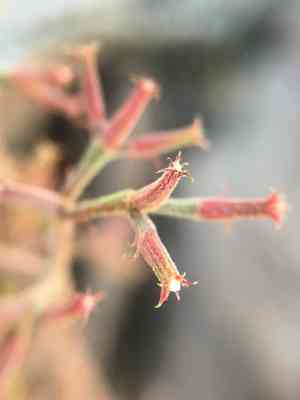
Brittle spine flower (Chorizanthe brevicornu)
Also known as: Sagebrush chorizanthe
The Brittle Spineflower, a desert-dwelling member of the buckwheat family (Polygonaceae), acts as a host for the White-lined Sphinx moth. This annual herb is named for its easily detachable stems and branches, which break off at the nodes.
In This Article
Attributes of Brittle spine flower
Lifespan
Annual, Perennial
Plant Type
Herb
Plant Height
15 cm to 30 cm
Spread
90 cm to 1.2 m
Leaf Color
Green
Flower Size
2.5 cm
Flower Color
White
Images of Brittle spine flower
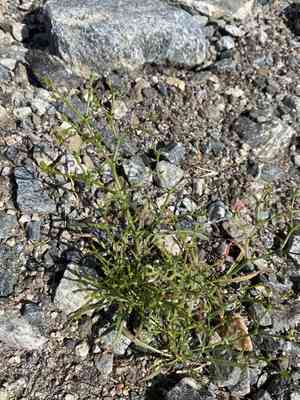

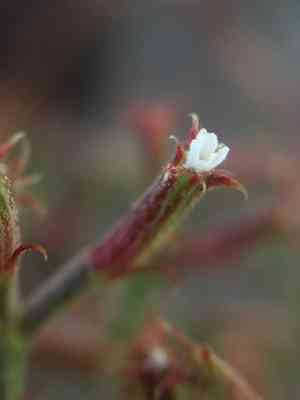
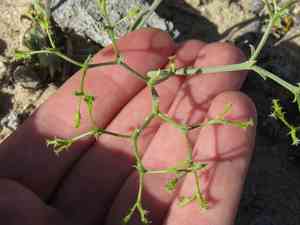
Quickly Identify Brittle spine flower
1
Chorizanthe brevicornu can be identified by its small size, its tubular flowers, and the spiny bracts that surround each flower cluster. The plant\'s leaves are usually found at the base and are covered with fine hairs.
Scientific Classification of Brittle spine flower
Phylum
Vascular plants
Class
Dicotyledons
Order
Caryophyllales
Family
Buckwheat
Genus
Spineflowers
Species
Brittle spine flower
Planting and Growing of Brittle spine flower
Care Difficulty
Easy
Watering Schedule
Every 2 days
Sunlight Requirements
Full sun
Sunshine Duration
6-10 hours
Ideal Temperature
60-75℉
Soil Type
Potting Mix, Peat Mix
Soil pH
6.5-7.5
Fertilizer Type
Balanced
Pruning Season
Spring, Summer
Pruning Area
Branches, Leaves
Pruning Frequency
2 times a year
Repotting Season
Spring
Pot Type
Ceramic, Plastic
 How to Water Brittle spine flower?
Chorizanthe brevicornu, commonly known as the 'short-spined spineflower,' requires careful watering attention. Generally, each watering session should consist of approximately 200 ml of water. Ensure the soil is completely dry between each watering. The amount should be sufficient to moisten the root system but not so much that it leads to waterlogging.
What are the symptoms of an underwatered Brittle spine flower?
›
What should I do if my Brittle spine flower is not getting enough water?
›
What are the symptoms of an overwatered Brittle spine flower?
›
How to save an overwatered Brittle spine flower?
›
 What Are the Sunlight Requirements for Brittle spine flower?
Chorizanthe brevicornu thrives in full sun to partial sun, benefiting from bright light which supports vibrant growth and flowering. Optimal sunlight fosters stronger structure and healthier, more robust foliage.
More About Sunlight Requirements Techniques→
Best time for light exposure
›
Protective measures against harsh light
›
Maximizing benefit from indirect sunlight
›
 What Is the Ideal Temperature Range for Brittle spine flower?
The ideal temperature range for Chorizanthe brevicornu, which is native to arid and semi-arid regions, is between 60 and 75 degrees Fahrenheit. This range provides optimal conditions for growth and ensures the plant can photosynthesize efficiently without undergoing thermal stress.
 What Soil is Best for Brittle spine flower?
Chorizanthe brevicornu requires soil with excellent drainage to prevent root rot and other moisture-related diseases. Ensuring good drainage helps maintain optimal plant health and promotes robust growth. This plant thrives in nutrient-poor soils, which mimics its natural habitat conditions. Low fertility encourages the plant to develop deep root systems, enhancing its adaptability and resilience. Chorizanthe brevicornu prefers dry soil conditions, which help it avoid fungal infections and other moisture-related issues. This requirement helps ensure healthy development and long-term survival.
 How to Fertilize Brittle spine flower?
Chorizanthe brevicornu prefers a balanced approach to fertilization. For liquid fertilizers, use a diluted solution, typically around half the recommended concentration as per the fertilizer's instructions. It is important to remember that a little goes a long way with this species, so avoid heavy applications which can damage its roots.
 How to Prune Brittle spine flower?
Begin by identifying and removing any dead or diseased branches to prevent the spread of infections. Use sharp, clean pruning shears for precise cuts. Focus on maintaining the natural shape of the plant while slightly enhancing air circulation around its branches for optimal health.
More About Pruning Techniques→
 How to Propagate Brittle spine flower plant?
1
Fill your seed trays with a well-draining potting mix, making sure to level the soil. Water the soil lightly to ensure it is moist, but not waterlogged, before sowing the seeds. This step helps create a conducive environment for seed germination.
2
Scatter the Chorizanthe brevicornu seeds evenly on the surface of the moist soil. Lightly press the seeds into the soil or cover them with a thin layer of potting mix. This step ensures proper seed-to-soil contact, which is vital for germination.
3
Position the seed trays in a location where they receive indirect sunlight. Maintain a consistent temperature between 15-20°C to encourage seed germination. Consistent light and temperature are critical in the early stages of seedling development.
 How to Repot Brittle spine flower plant?
1
Chorizanthe brevicornu should be repotted when you observe slow growth or roots growing out of the pot's drainage holes. These are signs indicating that the plant has outgrown its current container and needs more space to thrive. It’s best to repot in spring or summer when the plant is actively growing, ensuring it recovers quickly from the transplant shock.
2
Select a pot that is one size larger than the current one, with ample drainage holes to prevent waterlogging. A terracotta pot is a great choice as it allows the soil to dry out quickly, preventing the roots from sitting in moisture. This helps mimic the plant's natural arid environment, promoting healthy root growth and avoiding root rot.
3
Opt for a well-draining sandy soil mix tailored for desert plants, as it mimics the plant’s natural habitat. This type of soil ensures efficient drainage and prevents water retention, reducing the risk of root rot. Adding perlite or pumice helps improve aeration, keeping the roots healthy and well-oxygenated.
Learn More About Brittle spine flower Diseases
Bacterial Leaf Spot
Bacterial Soft Rot
Bacterial Wilt
Chemical Injury
Crown Gall
Cyst Nematode
Damping-off
Downy Mildew
Drought Stress
Fusarium Wilt
Gray Mold
Leaf Spot
Mosaic
Nutrient Deficiency
Nutrient Toxicity
Powdery Mildew
Root Rot
Root-knot Nematode
Rusts
Sooty Mold
Spider Mites
Temperature Stress
Thrips Damage
White Mold



