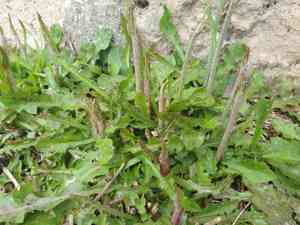
Chondrilla (Chondrilla) (Chondrilla)
Also known as: Skeletal Weed, Gum Succory
The genus **Chondrilla** comprises flowering plants first documented in 1753. Originating from the submountainous areas near the Caspian Sea, these plants have since spread globally. Certain species within this genus are recognized as noxious weeds and are utilized as fodder for sheep and goats.
In This Article
Attributes of Chondrilla (Chondrilla)
Lifespan
Perennial
Plant Height
30-100 cm
Spread
Not applicable, as Chondrilla tends to have slender, erect stems.
Leaf Color
Green
Flower Size
1-2 cm
Flower Color
Yellow
Images of Chondrilla (Chondrilla)
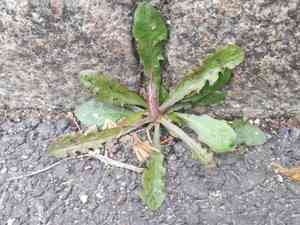
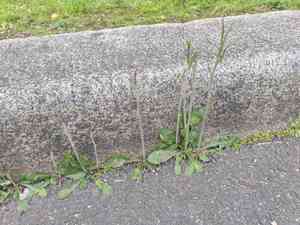
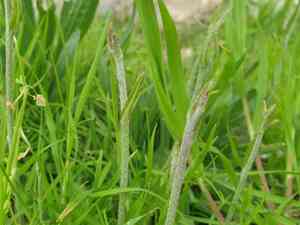
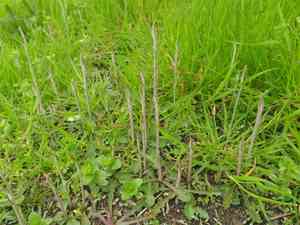
Quickly Identify Chondrilla (Chondrilla)
1
Chondrilla plants can be identified by their rosette of basal leaves, which are often deeply lobed or toothed. The flowering stems are erect and can be very branched. The flowers are small, yellow, and dandelion-like, which are arranged in loose clusters at the end of the stems.
Scientific Classification of Chondrilla (Chondrilla)
Phylum
Angiosperms
Class
Magnoliopsida
Order
Asterales
Family
Asteraceae
Genus
Chondrilla
Planting and Growing of Chondrilla (Chondrilla)
Care Difficulty
Hard
Watering Schedule
Every 2 days
Sunlight Requirements
Full sun
Sunshine Duration
4-8 hours
Ideal Temperature
60-75℉
Soil Type
Potting Mix, Peat Mix
Soil pH
6.5-7.5
Fertilizer Type
Balanced
Pruning Season
Spring, Summer
Pruning Area
Branches, Leaves
Pruning Frequency
2 times a year
Repotting Season
Spring
Pot Type
Plastic, Ceramic
 How to Water Chondrilla (Chondrilla)?
Chondrilla requires careful attention to its watering amount. Ideally, you should ensure the soil is thoroughly moistened without pooling water at the base. Watering with about 500 milliliters each time helps maintain a balance, providing enough moisture without causing waterlogging.
What are the symptoms of an underwatered Chondrilla (Chondrilla)?
›
What should I do if my Chondrilla (Chondrilla) is not getting enough water?
›
What are the symptoms of an overwatered Chondrilla (Chondrilla)?
›
How to save an overwatered Chondrilla (Chondrilla)?
›
 What Are the Sunlight Requirements for Chondrilla (Chondrilla)?
Chondrilla thrives best in an environment receiving full sun to partial sun, allowing it to absorb ample sunlight for optimal photosynthesis, resulting in prolific growth and vibrant leaf coloration.
What is the ideal light for Chondrilla?
›
How can Chondrilla receive its ideal lighting?
›
What benefits does ideal light provide Chondrilla?
›
 What Is the Ideal Temperature Range for Chondrilla (Chondrilla)?
For optimal growth, Chondrilla thrives in temperatures ranging from 60°F to 75°F. This range provides the best environment for photosynthesis and nutrient uptake, ensuring healthy and robust growth.
 What Soil is Best for Chondrilla (Chondrilla)?
Chondrilla thrives in well-drained soils that prevent waterlogging. Good drainage ensures that the roots receive enough oxygen and reduces the risk of root rot, promoting healthy plant growth. While Chondrilla can survive in poor soils, moderately fertile soil encourages better growth and foliage. It ensures the plant has access to necessary nutrients for vibrant health and optimal development. Chondrilla prefers neutral to slightly alkaline soil conditions (pH 6.5 to 7.5). This pH range allows for optimal nutrient uptake and prevents nutrient lockout, ensuring the plant gets all needed nutrients.
 How to Fertilize Chondrilla (Chondrilla)?
For Chondrilla, appropriate fertilization is crucial to ensure healthy growth. Liquid fertilizers should be applied at half-strength to avoid root burn, while solid fertilizers should be used sparingly as this plant thrives in relatively poor soils.
 How to Prune Chondrilla (Chondrilla)?
Start by identifying any dead or diseased parts of the plant. These should be the first to go, as they can harbor pathogens that might spread to healthy parts of the plant. Chondrilla tends to grow leggy if not pruned. Trim back about one-third of the leggiest branches to encourage a more compact and fuller shape. After removing dead and leggy parts, focus on shaping the plant. Remove any crossing branches and balance the overall appearance by making angled cuts just above the leaf nodes. After pruning, clean up and dispose of the cuttings properly to prevent any diseases or pests from affecting your garden. Composting them is a great way to recycle the organic matter.
 How to Propagate Chondrilla (Chondrilla) plant?
1
Begin by collecting mature seeds from the Chondrilla plant. Ensure they are dry and free of any debris. Fill seed trays with a mix of peat and sand, which provides a well-draining medium. Sow the seeds evenly spaced and cover lightly with soil to promote germination.
2
Select healthy roots from a mature Chondrilla plant, ensuring they are free of any disease. Cut the roots into sections, each about 5-10 cm long, and ensure that each section has at least one growth bud. Dust the cut ends with rooting hormone to encourage root development.
3
Once seedlings have developed their first true leaves and are robust enough to handle, they are ready for transplantation. Transfer each seedling to its own pot, ensuring the roots are adequately covered, and water thoroughly to help the plant settle into its new environment.
 How to Repot Chondrilla (Chondrilla) plant?
1
Chondrilla should be repotted when you notice roots growing out of the drainage holes or when the plant becomes root-bound. Additionally, if the soil dries out too quickly or the plant's growth has significantly slowed down, it may be time to consider repotting. These signs usually indicate that the roots need more space and a fresh soil environment to thrive.
2
Select a pot that is one size larger than the current one; this prevents the plant from being overwhelmed by too much soil, which can retain excess moisture and lead to root rot. Clay pots are recommended as they allow for better air circulation and moisture evaporation, providing an ideal environment for healthy root growth.
3
Opt for a well-draining potting mix that mimics Chondrilla's natural habitat. A blend enriched with perlite or sand is ideal, as it prevents waterlogging and enhances aeration. This type of soil ensures that the plant’s roots have access to the necessary oxygen while retaining enough moisture to keep them hydrated.
Learn More About Chondrilla (Chondrilla) Diseases
Anthracnose
Bacterial Leaf Spot
Bacterial Wilt
Crown Gall
Cyst Nematode
Damping-off
Downy Mildew
Drought Stress
Fusarium Wilt
Gray Mold
Leaf Curl
Leaf Spot
Mosaic
Nutrient Deficiency
Nutrient Toxicity
Powdery Mildew
Root Rot
Root-knot Nematode
Rusts
Sooty Mold
Spider Mites
Temperature Stress
Thrips Damage
White Mold

