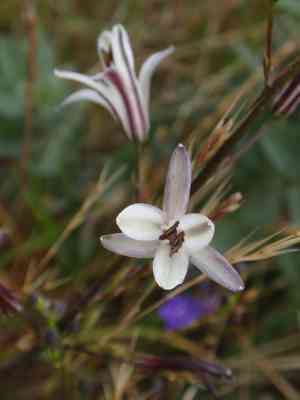
Wavy-leaf soap plant (Chlorogalum pomeridianum)
Also known as: California soaproot, Soap plant
Chlorogalum pomeridianum, often known as the wavy-leaf soap plant, is a perennial herb notable for its versatile use by Native Americans. The bulbs were traditionally crushed to produce a natural soap for cleaning purposes, including washing clothes. Additionally, the root served as an effective poison for freshwater fish. This plant features elegant white flowers that typically bloom in the late afternoon or evening.
Attributes of Wavy-leaf soap plant
Images of Wavy-leaf soap plant
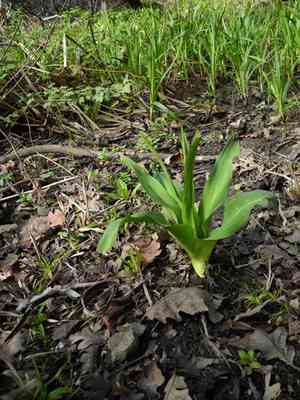
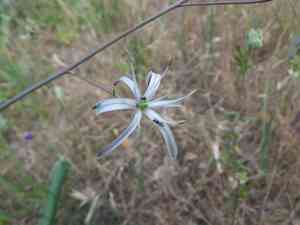
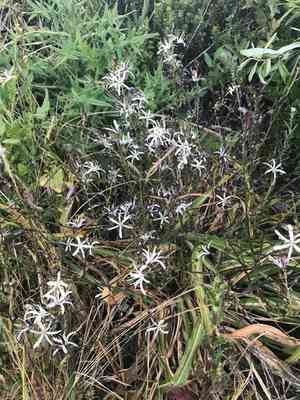
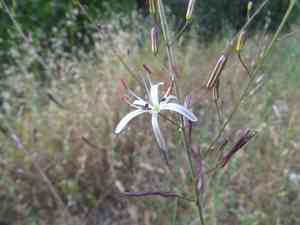
Quickly Identify Wavy-leaf soap plant
Scientific Classification of Wavy-leaf soap plant
Planting and Growing of Wavy-leaf soap plant
 How to Water Wavy-leaf soap plant?
 What Are the Sunlight Requirements for Wavy-leaf soap plant?
 What Is the Ideal Temperature Range for Wavy-leaf soap plant?
 What Soil is Best for Wavy-leaf soap plant?
 How to Fertilize Wavy-leaf soap plant?
 How to Prune Wavy-leaf soap plant?
 How to Propagate Wavy-leaf soap plant plant?
 How to Repot Wavy-leaf soap plant plant?
Toxicity of Wavy-leaf soap plant
Is Wavy-leaf soap plant toxic to humans?
The wavy-leaf soap plant contains saponins, which can be mildly to moderately toxic if ingested. These saponins are concentrated in the bulb, and their consumption in raw form poses the highest risk. They can lead to irritation of the mucous membranes in both the respiratory and digestive systems, and they are recognized for their diuretic properties. Symptoms associated with ingestion include sneezing, abdominal bloating, gastroenteritis, nausea, and diarrhea. Some individuals may also experience skin rashes following saponin consumption. Fortunately, the majority of humans do not effectively absorb saponins, allowing them to pass through the digestive system with limited symptoms. Nonetheless, it is advisable to refrain from eating raw bulbs of the wavy-leaf soap plant.
Is Wavy-leaf soap plant toxic to cat?
The wavy-leaf soap plant is known to possess moderate toxicity for cats. When felines consume the bulb of the wavy-leaf soap plant, they risk experiencing poisoning. Typical ways a cat may be poisoned include chewing on or ingesting various parts of the plant, particularly the bulb itself. Following exposure to the toxic elements found in the wavy-leaf soap plant, a cat may display general signs of discomfort or distress. Since timely treatment is crucial for the health and recovery of the affected cat, it is vital to take the animal to a veterinary hospital immediately if poisoning is suspected.
Is Wavy-leaf soap plant toxic to dog?
The wavy-leaf soap plant is recognized for its moderate toxicity levels in dogs. Ingestion of this plant is the primary route for potential poisoning in dogs. If a dog consumes any part of the wavy-leaf soap plant, especially the bulb, it may display various symptoms associated with poisoning. Pet owners should be vigilant for indicators such as vomiting, diarrhea, excessive salivation, or more serious reactions depending on the quantity ingested. Should a dog exhibit any of these symptoms after exposure to the wavy-leaf soap plant, it is crucial to obtain prompt veterinary assistance to ensure the pet's health and recovery.



