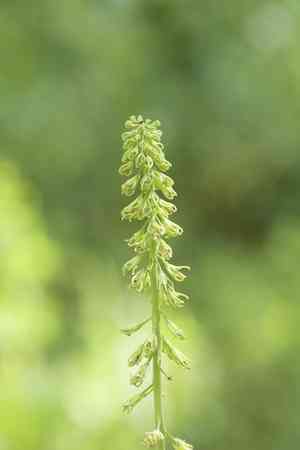
Spearhead (Chlorocrambe hastata)
Also known as: Twotooth mustard
Spearhead, an herbaceous perennial, is recognized for its distinctive, rigid, spear-like leaves that encircle its firm stem. One of its notable characteristics is the vibrant yellow flowers that form in dense clusters on tall spikes, which draw numerous pollinators. Adapted to thrive in rocky, alpine regions, spearhead is equipped to endure severe cold and harsh conditions with its deep root system and compact growth form. These features help it conserve moisture and withstand strong winds, making it well-suited to its challenging habitat.
In This Article
Attributes of Spearhead
Lifespan
Perennial
Plant Type
Herb
Plant Height
30-50 cm
Spread
Not typically applicable as it forms rosettes
Leaf Color
Green
Flower Size
0.5-1 cm
Flower Color
White to yellow
Images of Spearhead
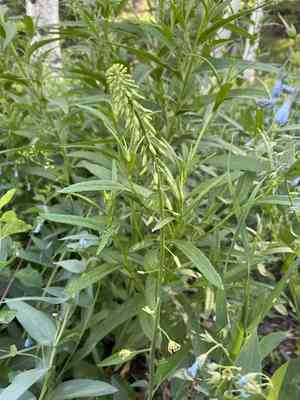
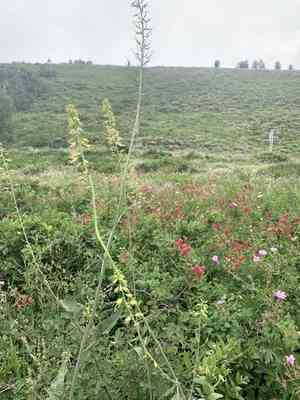
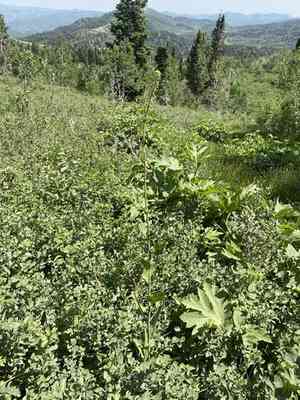
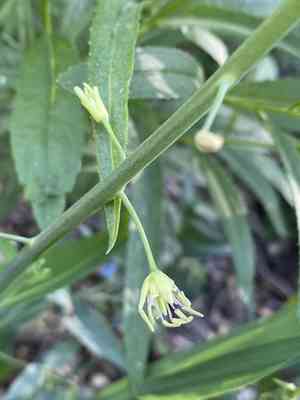
Quickly Identify Spearhead
1
Look for lance-shaped, pinnately lobed leaves and small, white to yellow flowers. The plant typically has a basal rosette and erect stems. Its siliques (seed pods) are also a distinguishing feature.
Scientific Classification of Spearhead
Phylum
Vascular plants
Class
Dicotyledons
Order
Brassicales
Family
Cruciferae
Genus
Chlorocrambe
Species
Spearhead
Planting and Growing of Spearhead
Care Difficulty
Moderate
Watering Schedule
Every 2 days
Sunlight Requirements
Partial sun
Sunshine Duration
8-12 hours
Ideal Temperature
65-75℉
Soil Type
Potting Mix, Peat Mix
Soil pH
6.5-7.5
Fertilizer Type
Balanced
Pruning Season
Spring, Summer
Pruning Area
Branches, Leaves
Pruning Frequency
2 times a year
Repotting Season
Spring
Pot Type
Plastic, Ceramic
 How to Water Spearhead?
The Chlorocrambe hastata thrives best when its soil is kept moderately moist. Typically, watering with about 300 ml each time ensures that the plant receives adequate hydration to reach its root ball without oversaturation.
What are the symptoms of an underwatered Spearhead?
›
What should I do if my Spearhead is not getting enough water?
›
What are the symptoms of an overwatered Spearhead?
›
How to save an overwatered Spearhead?
›
 What Are the Sunlight Requirements for Spearhead?
Partial sun exposure is ideal, receiving diffused light for 4-6 hours. This regime helps the plant thrive by balancing energy production and maintaining moisture without drying out.
What is the best location for Chlorocrambe hastata?
›
How can I adjust lighting conditions indoors?
›
What benefits does ideal lighting provide to Chlorocrambe hastata?
›
 What Is the Ideal Temperature Range for Spearhead?
For optimal growth, Chlorocrambe hastata thrives best in temperatures ranging from 65°F to 75°F. These temperatures provide an ideal environment for the metabolic processes essential for the plant's development. Staying within this range promotes healthy foliage and vigorous growth.
 What Soil is Best for Spearhead?
Chlorocrambe hastata requires soil with excellent drainage to prevent root rot. Well-drained loam or sandy loam soil helps the root system thrive by ensuring moisture does not accumulate around the roots, providing optimal growing conditions. A nutrient-rich soil benefits Chlorocrambe hastata by ensuring it has access to essential minerals necessary for robust growth. Regular amendments with organic matter such as compost will enhance soil fertility to meet the plant’s nutritional needs. While drainage is crucial, the soil should retain some moisture to sustain the plant between waterings. A balance assists in maintaining a stable moisture level helpful for consistent plant growth and development.
 How to Fertilize Spearhead?
For Chlorocrambe hastata, the amount of fertilizer should be adjusted based on its growth phase. During the active growing season, apply 150 ml of liquid fertilizer diluted with water at a ratio of 1:20. Make sure the soil is moist before application to prevent root burn.
 How to Prune Spearhead?
Begin by sterilizing your pruning shears to prevent disease spread. Identify dead or disease-ridden branches and remove them, cutting at a slight angle close to the main stem. Trim back any overgrown branches to maintain the desired shape and size, ensuring cuts are clean and neat. Focus on fostering an open structure by removing crowded branches to enhance air circulation and light penetration.
 How to Propagate Spearhead plant?
1
Choose seeds that are fresh and viable for propagation. Check for any signs of damage or disease, and select seeds from a reputable source to ensure better success.
2
Prepare a well-draining potting mix that retains moisture without becoming soggy. A mix of peat, perlite, and sand can provide the optimal balance needed for seed germination and root development.
3
Select healthy stems from the parent plant for cutting, usually about 4-6 inches long. Make a clean cut just below a node and remove any lower leaves to reduce water loss during rooting.
 How to Repot Spearhead plant?
1
Repotting is needed when your Chlorocrambe hastata shows visible signs such as roots coming out from the bottom, slower growth rates, or soil that retains moisture for too long. These are clear indicators that your plant has outgrown its current pot and is craving extra space to stretch its roots and continue thriving.
2
Select a pot that is 1-2 inches larger in diameter than the current one. It should have adequate drainage holes to ensure excess water can escape, preventing root rot. The material, whether it’s ceramic, plastic, or terracotta, should suit your watering habits and the plant's watering needs.
3
Choose a well-draining, fertile loam soil. The soil should be rich in organic matter to provide essential nutrients. Adequate drainage ensures roots remain healthy and prevents waterlogging, which is crucial for Chlorocrambe hastata's sensitivity to overly moist conditions.
Learn More About Spearhead Diseases
Anthracnose
Bacterial Leaf Spot
Bacterial Soft Rot
Bacterial Wilt
Clubroot
Crown Gall
Cyst Nematode
Damping-off
Downy Mildew
Drought Stress
Fusarium Wilt
Gray Mold
Leaf Spot
Mosaic
Nutrient Deficiency
Nutrient Toxicity
Powdery Mildew
Root Rot
Root-knot Nematode
Rusts
Sooty Mold
Spider Mites
Temperature Stress
Thrips Damage
White Mold



