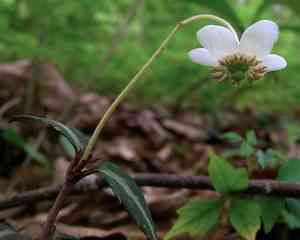
Spotted wintergreen (Chimaphila maculata)
Also known as: Rheumatism root, Spotted pipsissewa
Spotted wintergreen (Chimaphila maculata) is a low-growing, evergreen perennial reaching up to 30 cm in height. It thrives in shaded areas, ideal for planting beneath trees. This low-maintenance plant favors warm climates and acidic, well-drained soils rich in organic material. It produces fragrant, creamy white flowers from late spring to early summer.
Attributes of Spotted wintergreen
Images of Spotted wintergreen
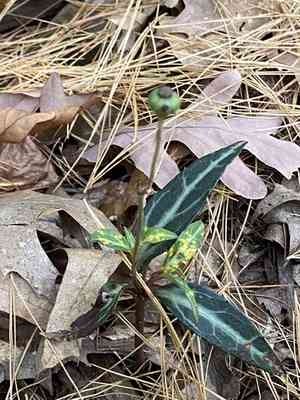
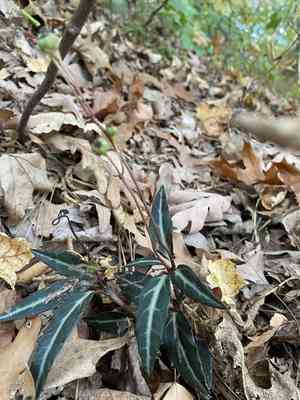
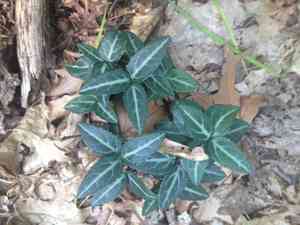
Quickly Identify Spotted wintergreen
Scientific Classification of Spotted wintergreen
Planting and Growing of Spotted wintergreen
 How to Water Spotted wintergreen?
 What Are the Sunlight Requirements for Spotted wintergreen?
 What Is the Ideal Temperature Range for Spotted wintergreen?
 What Soil is Best for Spotted wintergreen?
 How to Fertilize Spotted wintergreen?
 How to Prune Spotted wintergreen?
 How to Propagate Spotted wintergreen plant?
 How to Repot Spotted wintergreen plant?
Toxicity of Spotted wintergreen
Is Spotted wintergreen toxic to humans?
Spotted wintergreen is considered moderately toxic and can induce a rash in individuals who are sensitive upon contact with its leaves. Furthermore, consuming a sufficient quantity of the leaves may result in potentially lethal consequences. The toxic agent responsible for this is a naphthoquinone known as chimaphilin, an irritating substance that brings about tissue sensitivity and inflammation. Naphthoquinones at lower doses can lead to inflammatory responses, while higher exposures may cause cell death, ultimately resulting in organ damage. It is essential to keep small children away from this particular plant.



