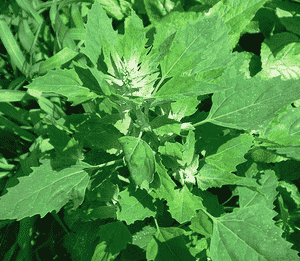
Lambsquarters (Chenopodium album)
Also known as: Fat-Hen, Wild Spinach , Baconweed, Bacon weed, Fat hen
Lambsquarters, also known by names such as pigweed, goosefoot, and fat-hen, often pops up unexpectedly and is frequently regarded as an annoying weed. Despite this, its leaves and young shoots are edible and can be cooked in the same way as spinach. Rich in essential nutrients like vitamins A and C, as well as calcium and iron, lambsquarters can be a nutritious addition to salads, soups, or sautéed dishes.
Attributes of Lambsquarters
Images of Lambsquarters
Quickly Identify Lambsquarters
Scientific Classification of Lambsquarters
Planting and Growing of Lambsquarters
 How to Water Lambsquarters?
 What Are the Sunlight Requirements for Lambsquarters?
 What Is the Ideal Temperature Range for Lambsquarters?
 What Soil is Best for Lambsquarters?
 How to Fertilize Lambsquarters?
 How to Prune Lambsquarters?
 How to Propagate Lambsquarters plant?
 How to Repot Lambsquarters plant?
Toxicity of Lambsquarters
Is Lambsquarters toxic to humans?
The unprocessed leaves and stems of lambsquarters are rich in oxalic acid, which can lead to negative health effects if consumed in significant amounts. Poisoning due to oxalic acid typically results in mild to moderate health complications, with symptoms that may include abdominal pain, nausea, and a burning feeling in the mouth and throat. This is particularly likely to happen from inadequate preparation of the plant or the ingestion of large amounts.
Is Lambsquarters toxic to cat?
Lambsquarters is harmful to cats, as every part of the plant—leaves, seeds, stems, and sap/juice—can be toxic if consumed. Cats might unknowingly eat lambsquarters, resulting in poisoning. Pet owners must be vigilant for any signs of distress or illness that could arise following such an event. If lambsquarters poisoning is suspected, it is crucial to promptly obtain professional care at a veterinary clinic to protect the well-being and health of the affected feline.
Is Lambsquarters toxic to dog?
Lambsquarters is regarded as toxic to dogs. Dogs may accidentally consume various parts of this plant, including leaves, seeds, stems, or sap/juice, which can result in poisoning. If a dog ingests lambsquarters, it may show symptoms such as gastrointestinal upset, lethargy, or potentially more severe clinical signs depending on the quantity consumed. It is crucial for dog owners to keep a close eye on their pets and to prevent them from accessing lambsquarters. Should ingestion be suspected, seeking immediate veterinary assistance is vital to safeguard the health and wellbeing of the affected dog.



