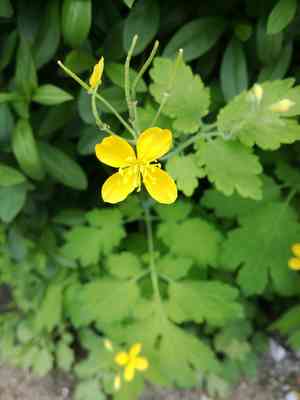
Celandines (Chelidonium) (Chelidonium)
Also known as: Greater Celandine, Tetterwort
**Celandiness** is a small genus within the poppy family, consisting of herbaceous perennial plants. They are notable for their alternate, deeply lobed leaves and striking yellow flowers. While certain species are valued for their use as groundcover in woodland gardens, others can be invasive. Consequently, the cultivation of these invasive species is restricted in some regions to prevent them from overtaking native vegetation.
In This Article
Attributes of Celandines (Chelidonium)
Lifespan
Perennial
Plant Height
30-120 cm (12-47 inches)
Spread
20-40 cm (8-16 inches)
Leaf Color
Bluish-green
Flower Size
1-2 cm (0.4-0.8 inches)
Flower Color
Yellow
Images of Celandines (Chelidonium)
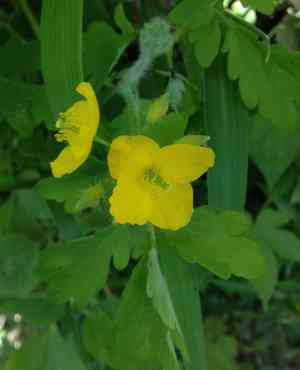
Quickly Identify Celandines (Chelidonium)
1
Chelidonium can be identified by its deeply lobed leaves that are a bluish-green color and its bright yellow sap that exudes when the plant is broken. The flowers are small with four yellow petals.
Scientific Classification of Celandines (Chelidonium)
Phylum
Tracheophyta
Class
Magnoliopsida
Order
Ranunculales
Family
Papaveraceae
Genus
Chelidonium
Planting and Growing of Celandines (Chelidonium)
Care Difficulty
Moderate
Watering Schedule
Every 2 days
Sunlight Requirements
Partial sun
Sunshine Duration
6-10 hours
Ideal Temperature
65-75℉
Soil Type
Potting Mix, Peat Mix
Soil pH
6.5-7.5
Fertilizer Type
Balanced
Pruning Season
Spring, Summer
Pruning Area
Branches, Leaves
Pruning Frequency
2 times a year
Repotting Season
Spring
Pot Type
Plastic, Ceramic
 How to Water Celandines (Chelidonium)?
Chelidonium, commonly known as greater celandine, prefers consistent but moderate watering. Water until the top 2 inches of soil are moist. Don't let the plant sit in water; ensure the soil drains well to avoid root rot.
What are the symptoms of an underwatered Celandines (Chelidonium)?
›
What should I do if my Celandines (Chelidonium) is not getting enough water?
›
What are the symptoms of an overwatered Celandines (Chelidonium)?
›
How to save an overwatered Celandines (Chelidonium)?
›
 What Are the Sunlight Requirements for Celandines (Chelidonium)?
Chelidonium flourishes in partial sun to full shade, a condition that supports its growth and tissue health, promoting vibrant leaf coloration and a robust flowering pattern.
What is the ideal amount of sunlight?
›
How can I provide the ideal conditions?
›
What benefits are seen with ideal lighting?
›
 What Is the Ideal Temperature Range for Celandines (Chelidonium)?
The ideal temperature range for growing Chelidonium is between 65°F and 75°F. Within this range, the plant can perform optimum physiological functions, including photosynthesis and growth, which lead to healthier and more resilient development. Plant growth can significantly benefit from maintaining this optimal range, avoiding possible temperature stress and maximizing productivity and health.
 What Soil is Best for Celandines (Chelidonium)?
Chelidonium thrives best in well-draining soil. This allows excess water to percolate away, preventing root rot and encouraging healthy root development. Such soil ensures that nutrients are easily accessible to the plant roots, promoting vigorous growth and abundant foliage. Chelidonium requires nutrient-rich soil to reach its full potential. A high content of organic matter provides essential nutrients that support strong flowering and lush leaf development, which are crucial for the overall vitality of the plant. The soil for Chelidonium should maintain a moderate level of moisture without becoming waterlogged. This balance supports steady hydration of the plant, which is critical during its active growth phases, helping the plant sustain its natural turgor pressure necessary for a healthy appearance.
 How to Fertilize Celandines (Chelidonium)?
Chelidonium benefits from moderate fertilization. Use a balanced liquid fertilizer diluted to half strength during the growing seasons. For solid fertilizers, apply about 50 grams per square meter annually.
 How to Prune Celandines (Chelidonium)?
Identify overgrown or damaged stems and cut them back to the base of the plant. This will encourage new growth from the base, improving the overall health and appearance of the plant. Remember to remove no more than one-third of the plant’s total height at a time. Trim the plant to maintain a neat appearance by cutting back to a bud or lateral branch. Thinning out congested areas helps improve air circulation, which reduces the risk of fungal diseases. Aim to achieve an open, balanced shape.
 How to Propagate Celandines (Chelidonium) plant?
1
Before sowing, soak Chelidonium seeds in water for 24 hours to soften the seed coat and enhance germination rates. This step can significantly improve the chances of successful propagation.
2
Distribute the soaked seeds evenly over the surface of the seed tray filled with potting mix. Cover lightly with more potting mix, ensuring they are not buried too deep as this can impede germination.
3
Water the seeds gently using a fine mist spray to avoid dislodging them from the soil. Maintain consistent moisture levels, keeping the soil damp but not waterlogged to encourage successful sprouting.
 How to Repot Celandines (Chelidonium) plant?
1
Chelidonium should be replanted when you observe roots growing out of the drainage holes or when the growth of the plant appears stunted despite proper care. These signs indicate that the plant has outgrown its current pot and needs more space to thrive.
2
Select a pot that provides better drainage, preferably one size larger than the current one. A pot with drainage holes helps prevent waterlogging, reducing the risk of root rot and promoting healthy growth for your Chelidonium.
3
Opt for a light, loamy, and well-draining soil that allows air circulation around the roots. This type of soil prevents water accumulation and ensures the roots receive oxygen, essential for the health of the Chelidonium.
Toxicity
Ingestion, absorption through skin or mucous membranes
WARNING
The judgment on toxicity and danger is for reference only. We DO NOT GUARANTEE any accuracy of such judgment. Therefore, you SHALL NOT rely on such judgment. It is IMPORTANT TO SEEK PROFESSIONAL ADVICE in advance when necessary.

