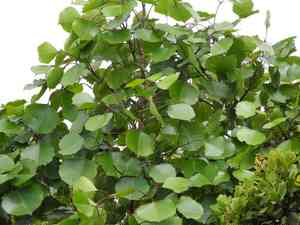
Faurie's club (Cheirodendron fauriei)
Also known as: Faurie's Cheirodendron
Faurie's club moss (Huperzia fauriei) is a resilient plant that prospers in moist, shaded locales such as forest floors or high-altitude rocky crevices. Unlike trees, it features small, scale-like leaves that spiral around the stem, creating a dense, bushy look. These green, occasionally glossy leaves help it blend into its shaded, humid environments. Unlike flowering trees, Faurie's club moss does not produce flowers or fruits, making its unique leaf arrangement its most distinguishing feature.
In This Article
Attributes of Faurie's club
Lifespan
Perennial
Plant Type
Tree
Plant Height
10-15 meters
Spread
4-6 meters
Leaf Color
Green
Flower Size
1-2 centimeters
Flower Color
White
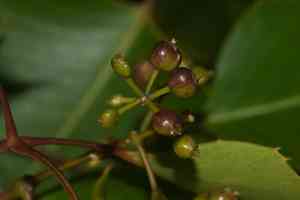
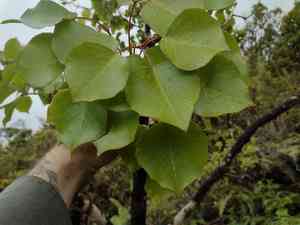
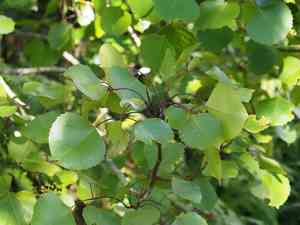
Images of Faurie's club
Quickly Identify Faurie's club
1
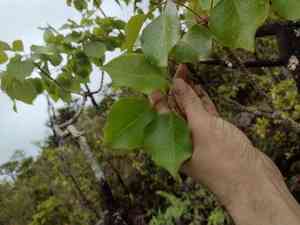
Cheirodendron fauriei can be identified by its shiny, compound leaves that have lanceolate to oblong leaflets. The tree produces small, white, star-shaped flowers arranged in umbels.
Scientific Classification of Faurie's club
Phylum
Vascular plants
Class
Dicotyledons
Order
Apiales
Family
Ivy
Genus
Cheirodendron
Species
Faurie's club
Planting and Growing of Faurie's club
Care Difficulty
Moderate
Watering Schedule
Every 3 days
Sunlight Requirements
Partial sun
Sunshine Duration
6-10 hours
Ideal Temperature
65-75℉
Soil Type
Potting Mix, Peat Mix
Soil pH
5.5-6.5
Fertilizer Type
Balanced
Pruning Season
Spring, Summer
Pruning Area
Branches, Leaves
Pruning Frequency
2 times a year
Repotting Season
Spring
Pot Type
Terracotta, Plastic
 How to Water Faurie's club?
Cheirodendron fauriei prefers consistent moisture levels. Water until the soil is evenly moist but not soggy. Always ensure excess water drains out to prevent waterlogging, as this can damage the roots.
What are the symptoms of an underwatered Faurie's club?
›
What should I do if my Faurie's club is not getting enough water?
›
What are the symptoms of an overwatered Faurie's club?
›
How to save an overwatered Faurie's club?
›
 What Are the Sunlight Requirements for Faurie's club?
Cheirodendron fauriei does best with partial sun exposure of about 3 to 6 hours a day. Ensuring such light conditions supports robust growth and vibrant leaves, maintaining its visual appeal and health benefits.
What is the best light condition for Cheirodendron fauriei?
›
How can you provide the ideal lighting for Cheirodendron fauriei?
›
What benefits does Cheirodendron fauriei gain from ideal lighting?
›
 What Is the Ideal Temperature Range for Faurie's club?
The ideal temperature range for Cheirodendron fauriei is between 65°F and 75°F. This temperature range allows the plant to thrive by supporting optimal growth conditions. These temperatures provide enough warmth to promote healthy foliage development and prevent stress caused by extreme warmth or cold, facilitating robust photosynthesis and growth.
 What Soil is Best for Faurie's club?
Cheirodendron fauriei thrives in soil that retains moisture well but is not waterlogged. Such conditions ensure that roots have consistent access to water, vital for nutrient assimilation and overall growth. A nutrient-rich soil is essential for the healthy development of Cheirodendron fauriei, supplying necessary minerals for robust growth. Enriched loamy soil provides an ideal balance of nutrients. Although moisture retention is key, it's critical that the soil possesses good drainage. This prevents root rot by ensuring that excess water can exit the soil efficiently.
 How to Fertilize Faurie's club?
Cheirodendron fauriei prefers a balanced nutrient intake. Use a liquid fertilizer diluted to half its recommended strength, applying approximately 100ml per plant. For slow-release fertilizers, use granules that provide nutrients over time, applying around 30 grams per application. Adjust the quantities slightly based on the individual plant's growth and environmental conditions.
 How to Prune Faurie's club?
Start by identifying branches that appear weak or are growing in undesirable directions. Use clean, sharp pruning shears to make cuts just above a node or bud. Trim to maintain an appealing structure, focusing on opening up the center to light and air. Ensure you don't prune more than one-third of the plant at any time to prevent stress.
More About Pruning Techniques→
 How to Propagate Faurie's club plant?
1
Collect seeds from a mature Cheirodendron fauriei and clean them to remove any pulp or debris. It's often recommended to pre-soak seeds in warm water for several hours to soften their coat and encourage germination.
2
Select a healthy parent plant and use sterilized pruning shears to cut a stem segment around 4-6 inches in length. Remove any leaves from the lower half of the cutting to prevent rot during rooting.
3
Plant seeds in seed starter trays with a light potting mix, ensuring they are covered lightly with soil. For cuttings, dip the cut end in rooting hormone and plant in potting mix. Keep both in a warm, humid environment for best results.
 How to Repot Faurie's club plant?
1
A Cheirodendron fauriei needs repotting when its roots start circling the pot, indicating that they need more space. Additionally, if water begins to drain too slowly, or if growth becomes stunted, these are key signals to consider repotting. Spring and summer offer the ideal conditions for transitioning your plant to a new pot.
2
Select a pot that is 1 to 2 inches larger in diameter than the current one, with ample drainage holes. A slightly larger size ensures room for root expansion, reducing the frequency of future repotting and maintaining plant health. The material should be sturdy enough to support growth while ensuring adequate airflow to prevent root rot.
3
Use a well-draining, nutrient-rich soil mix. A blend containing peat, bark, and perlite not only provides excellent drainage but also retains moisture and nutrients necessary for Cheirodendron fauriei's growth. This type of soil prevents waterlogging while supporting healthy root development.
Learn More About Faurie's club Diseases
Anthracnose
Bacterial Leaf Spot
Bacterial Soft Rot
Bacterial Wilt
Black Spot
Chemical Injury
Crown Gall
Damping-off
Downy Mildew
Drought Stress
Fusarium Wilt
Gray Mold
Leaf Curl
Leaf Spot
Mosaic
Nutrient Deficiency
Nutrient Toxicity
Powdery Mildew
Root Rot
Root-knot Nematode
Rusts
Sooty Mold
Spider Mites
Temperature Stress
Thrips Damage
White Mold



