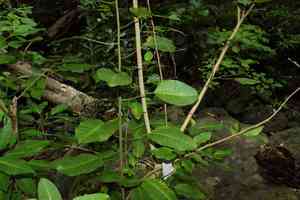
Koolau range papala (Charpentiera ovata)
Also known as: Papala
The Koolau Range papala shrub (Charpentiera obovata) is an evergreen plant native to Hawaii, particularly flourishing in the Koolau Range on Oahu. This shrub is notable for its thick, leathery, egg-shaped leaves with pronounced veins. It commonly grows in the shaded understory of moist to wet tropical forests, where its broad leaves efficiently capture limited sunlight. The shrub features small, greenish-white flowers that bloom in clusters, eventually giving way to round, reddish to purple fruits. Its preferred environment includes elevations between 1,000 and 3,000 feet, with well-drained soil and partial to full sunlight.
In This Article
Attributes of Koolau range papala
Lifespan
Perennial
Plant Type
Shrub
Plant Height
5 to 20 meters
Spread
2 to 10 meters
Leaf Color
Green
Flower Size
0.2 to 0.5 centimeters
Flower Color
Greenish-white
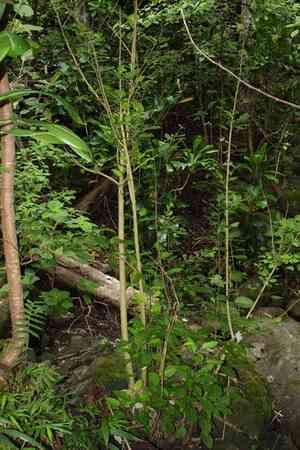
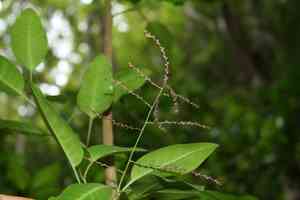
Images of Koolau range papala
Quickly Identify Koolau range papala
1
Recognition of Charpentiera ovata can be done by examining its leaves and flowers. The leaves are large, glossy, and paddle-shaped, while the flowers are small, greenish-white, and form in dense clusters.
Scientific Classification of Koolau range papala
Phylum
Vascular plants
Class
Dicotyledons
Order
Caryophyllales
Family
Amaranth
Genus
Papala
Species
Koolau range papala
Planting and Growing of Koolau range papala
Care Difficulty
Moderate
Watering Schedule
Every 3 days
Sunlight Requirements
Partial sun
Sunshine Duration
6-10 hours
Ideal Temperature
65-75℉
Soil Type
Potting Mix, Peat Mix
Soil pH
6.5-7.5
Fertilizer Type
Balanced
Pruning Season
Spring, Summer
Pruning Area
Branches, Leaves
Pruning Frequency
2 times a year
Repotting Season
Spring
Pot Type
Plastic, Ceramic
 How to Water Koolau range papala?
For Charpentiera ovata, each watering session should involve about 500 ml of water. Ensure the soil remains consistently moist but not waterlogged. Proper drainage is crucial to prevent root rot, so water thoroughly until you notice it beginning to seep out of the drainage holes at the bottom.
What are the symptoms of an underwatered Koolau range papala?
›
What should I do if my Koolau range papala is not getting enough water?
›
What are the symptoms of an overwatered Koolau range papala?
›
How to save an overwatered Koolau range papala?
›
 What Are the Sunlight Requirements for Koolau range papala?
Partial sun is ideal for Charpentiera ovata, balancing light and shade. Adequate lighting supports optimal health, enabling efficient photosynthesis, vibrant foliage, and a sturdy growth pattern.
How much sunlight does Charpentiera ovata need?
›
What kind of environment supports ideal growth?
›
What are the benefits of ideal lighting?
›
 What Is the Ideal Temperature Range for Koolau range papala?
Charpentiera ovata thrives best in a temperature range between 65°F and 75°F. This range provides the optimal warmth for growth and photosynthesis, facilitating healthy development and vibrant foliage.
 What Soil is Best for Koolau range papala?
Charpentiera ovata thrives in well-draining soil, ensuring roots remain healthy by preventing waterlogging. Adequate drainage helps supply oxygen to roots, which is vital for nutrient uptake and robust growth. This plant benefits from soil rich in organic matter, as it provides essential nutrients required for vigorous growth and vibrant foliage. A nutrient-rich substrate supports the plant's overall health and increases its resilience against pests. Aerated soil is crucial as it facilitates proper root development and microbial activity, which in turn aids in the natural fertilization process. Good aeration ensures that roots access the necessary nutrients and oxygen, promoting healthier plants.
 How to Fertilize Koolau range papala?
For Charpentiera ovata, a balanced fertilizer, such as a 10-10-10, is typically used. When using liquid fertilizer, mix 10-15 mL per gallon of water. This ensures the plant gets the nutrients it needs without risk of overfertilization.
 How to Prune Koolau range papala?
Start by examining the plant for any dead or damaged branches. Use clean, sharp pruning shears to cut these branches back to the base or main stem. For shaping, choose branches that are crossing or competing and trim them selectively to improve airflow and light penetration. To maintain a desired shape, carefully trim the sides and top while keeping the natural growth pattern in mind. This helps improve aesthetics and creates a balanced look. Remove any excessive growth to maintain structure. Ensure to sanitize your cutting tools before and after pruning to prevent the spread of diseases. A simple solution of alcohol or bleach can be used to disinfect the blades after every few cuts if the plant appears to carry infections.
More About Pruning Techniques→
 How to Propagate Koolau range papala plant?
1
Gather seeds from mature Charpentiera ovata plants. Ensure they are fully ripe for the best chance of germination, typically indicated by a change in color.
2
Prepare a well-draining soil mix using a combination of peat, perlite, or sand. This mixture supports seedling and cutting root development by providing sufficient aeration and moisture retention.
3
Sow seeds on the surface of the damp soil mix, pressing them gently into the soil. For cuttings, insert them into the soil mix. Water lightly to prevent the soil from drying out.
 How to Repot Koolau range papala plant?
1
You can tell Charpentiera ovata needs repotting when its roots start to circle the pot, or it becomes root-bound. Additionally, when soil compaction occurs, hindering water drainage, it’s time for a new pot.
2
Select a pot about 2 inches larger in diameter than the current one with ample drainage holes. This allows roots to expand without becoming waterlogged, promoting healthier growth.
3
Opt for a well-draining soil mix to prevent root rot. A mix containing perlite, sand or bark works well, offering both aeration and moisture retention needed for healthy plant growth.
Learn More About Koolau range papala Diseases
Anthracnose
Bacterial Leaf Spot
Bacterial Soft Rot
Bacterial Wilt
Crown Gall
Damping-off
Downy Mildew
Drought Stress
Fusarium Wilt
Gray Mold
Leaf Curl
Leaf Spot
Mosaic
Nutrient Deficiency
Nutrient Toxicity
Powdery Mildew
Root Rot
Root-knot Nematode
Rusts
Sooty Mold
Spider Mites
Temperature Stress
Thrips Damage
White Mold
Chemical Injury



