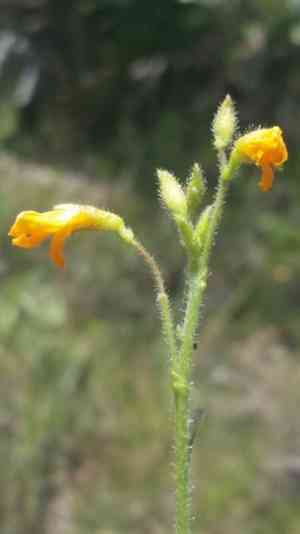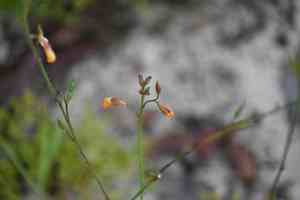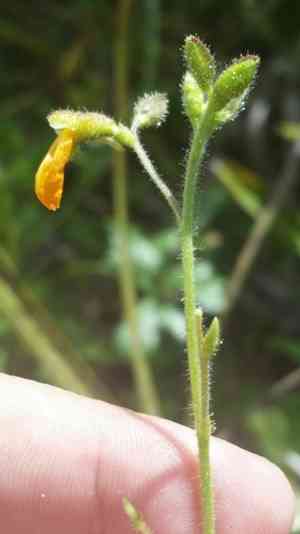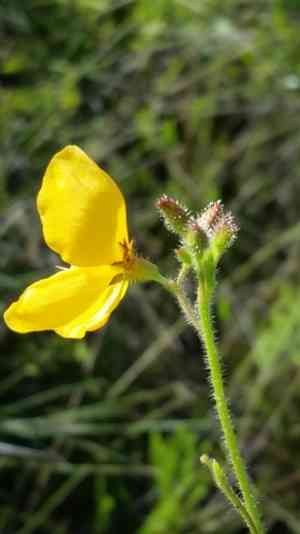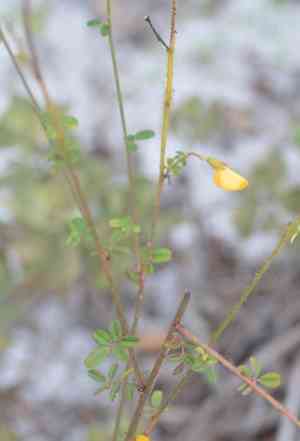
Florida alicia(Chapmannia floridana)

Florida alicia (Chapmannia floridana)

Also known as: Florida Chapmannia, Pine Rockland Pea

The Florida Alicia (Alicia anisopetala) is a notable plant native to Florida's wetland ecosystems. This perennial herb is easily recognized by its slender, elongated leaves and small, clustered flowers that attract various pollinators, including butterflies. Unlike many other plants, it prefers moist, marshy soils and flourishes in these aquatic environments.

**Key Contributions and Characteristics:**

1. **Wetland Adaptation**: It thrives in wet, marshy areas, contributing significantly to the health and stability of these ecosystems.
2. **Biodiversity Enhancement**: The plant provides essential habitat and food sources for insects, birds, and other wildlife, thus enhancing local biodiversity.
3. **Water Quality Improvement**: Its robust root system aids in filtering and purifying water, removing pollutants, and enhancing overall water quality.
4. **Erosion Prevention**: The plant’s roots help stabilize the soil, preventing erosion and maintaining the structure of wetland areas.

In essence, the Florida Alicia plays a critical role in its native habitat by supporting wildlife, improving water quality, and preventing soil erosion.

Attributes of Florida alicia

Lifespan
Annual
Plant Type
Herb
Plant Height
30 cm to 91 cm
Spread
Approximately 0.3 meters
Leaf Color
Green
Flower Size
1 - 1.5 centimeters
Flower Color
Yellow

ForwardPlant - Identify plants with a snap

Identify and diagnose plants, get toxicity alerts, and explore safety guides for all types of fungi.

Try for Free

Images of Florida alicia

Florida alicia(Chapmannia floridana)

Quickly Identify Florida alicia

1
Identifying Chapmannia floridana can be done by noting its small stature, pinnate leaves with numerous leaflets, and yellow flowers that appear in clusters.

Scientific Classification of Florida alicia

Phylum
Vascular plants
Class
Dicotyledons
Order
Fabales
Family
Legume
Genus
Chapmannia
Species
Florida alicia

Planting and Growing of Florida alicia

Care Difficulty
Moderate
Watering Schedule
Every 2 days
Sunlight Requirements
Full sun
Sunshine Duration
10-14 hours
Ideal Temperature
65-75℉
Soil Type
Potting Mix, Peat Mix
Soil pH
6.5-7.5
Fertilizer Type
Balanced
Pruning Season
Spring, Summer
Pruning Area
Branches, Leaves
Pruning Frequency
2 times a year
Repotting Season
Spring
Pot Type
Plastic, Ceramic

water icon How to Water Florida alicia?

Chapmannia floridana prefers an evenly moist environment without becoming waterlogged. Each watering should ideally be about 250 ml, sufficient to saturate the root zone without causing standing water. Observe the soil and ensure it dries slightly on the top layer before watering again.
What are the symptoms of an underwatered Florida alicia?
What should I do if my Florida alicia is not getting enough water?
What are the symptoms of an overwatered Florida alicia?
How to save an overwatered Florida alicia?

sunlight icon What Are the Sunlight Requirements for Florida alicia?

Sunlight Requirements: Full sun, Partial sun
Duration of light: 6 to 8 hours
Chapmannia floridana flourishes under full sun with partial sun accommodations. Ideal light fosters strong growth and abundant flowering, enhancing its natural beauty.
What is the best lighting for Chapmannia floridana?
How can I ensure Chapmannia floridana receives its ideal light conditions?
What are the benefits of achieving ideal light conditions for this plant?

temperature icon What Is the Ideal Temperature Range for Florida alicia?

Ideal Temperature: 65 ~ 75℉
The ideal temperature range for Chapmannia floridana is between 65°F and 75°F. Maintaining this range ensures optimal growth and development, ensuring that the plant's physiological processes function correctly without being subjected to stress.

soil icon What Soil is Best for Florida alicia?

Soil type: Sandy soil, Loam
Soil PH: 6.5 ~ 7.5
Chapmannia floridana thrives in well-drained soils which help prevent root rot. Proper drainage ensures the plant's roots receive ample oxygen, promoting healthier growth and vibrant foliage. A soil rich in organic matter provides essential nutrients for Chapmannia floridana. This abundance of nutrients supports lush growth and can result in more prolific flowering. Soil with a pH ranging from 6.5 to 7.5 is ideal for Chapmannia floridana. Such conditions facilitate the availability of essential minerals, ensuring the plant remains robust and healthy.

fertilize icon How to Fertilize Florida alicia?

Fertilizer type: Balanced
When fertilizing Chapmannia floridana, it is crucial to use a balanced formula. Liquid fertilizers should be diluted to half strength, while slow-release fertilizers should be used sparingly. Typically, for liquid fertilizer, use about 1 tablespoon per gallon of water. For slow-release fertilizer, apply approximately 1 tablespoon per square foot around the plant's base.

prune icon How to Prune Florida alicia?

Pruning Time: Spring, Summer
Chapmannia floridana is best pruned in spring or summer, when it's most active. Avoid pruning during dormant months as cuts heal slower, which might stress the plant. When shaping the plant, maintain a balanced structure. Trim back overly long branches to a leaf node to encourage a bushier growth pattern. This ensures even development and enhances the plant’s aesthetic appeal. After pruning, monitor the plant for stress signs. Water adequately and consider applying a light fertilizer to support recovery and promote vigorous growth. Ensure cuts are clean for faster healing.

propagate icon How to Propagate Florida alicia plant?

Propagate Time: Spring, Late spring, Early spring
1
Collect seeds from mature Chapmannia floridana plants and clean them to remove any debris. Soak the seeds in water for 24 hours to soften the seed coat and improve germination rates.
2
Fill the seed tray with a well-draining potting mix. Sow the pre-soaked seeds on the surface, covering them lightly with a thin layer of soil. Water gently to settle the seeds in place.
3
Select a healthy stem from the parent plant, preferably in mid-morning when it is most hydrated. Use pruning shears to cut a 4-6 inch section, remove lower leaves, and dip the cut end in rooting hormone.

repot icon How to Repot Florida alicia plant?

Repotting frequency: Every two years
1
Chapmannia floridana should be repotted when it shows signs of outgrowing its current container, such as roots circling the pot or water draining slowly. Additionally, repotting is necessary if the plant's growth appears stunted despite optimal care. Spring is the perfect time for this task, as the plant can recover and flourish during the growing season.
2
Select a pot that is one size larger than the current one. It should have ample drainage holes to prevent waterlogging, which can cause root rot. A clay or ceramic pot can also help in maintaining proper moisture levels due to its semi-porous nature. The right pot ensures your plant has room to grow and thrive.
3
Opt for a well-draining sandy mix that mimics its natural habitat. A cactus or succulent soil mix can be ideal, as it prevents water retention. This kind of soil ensures proper aeration and prevents root rot, allowing Chapmannia floridana to absorb nutrients efficiently without sitting in excess moisture.

ForwardPlant - Identify plants with a snap

Find the best spots for them to optimize their health, simply using your phone.

Try for Free