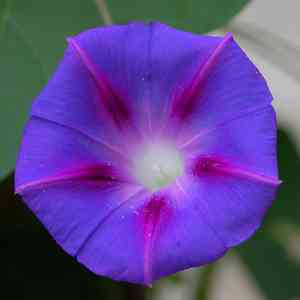
Greenleaf five eyes (Chamaesaracha coronopus)
Also known as: Small groundcherry
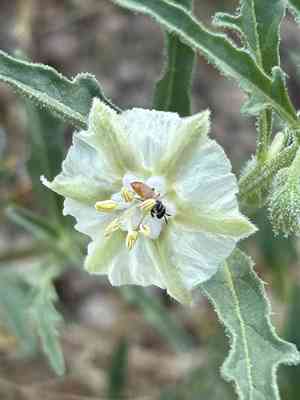
**Chamaesaracha coronopus** (formerly known as **Solanum coronopus**), commonly known as **greenleaf five eyes**, is a plant in the nightshade family (Solanaceae). It is typically found in dry, open flat regions ranging from southeastern California to Kansas and western Texas.
In This Article
Attributes of Greenleaf five eyes
Lifespan
Perennial
Plant Type
Herb, Shrub
Plant Height
0 mm to 30 cm
Spread
Approximately 20-40 cm
Leaf Color
Green
Flower Size
1-2 cm
Flower Color
Yellowish or green
Images of Greenleaf five eyes
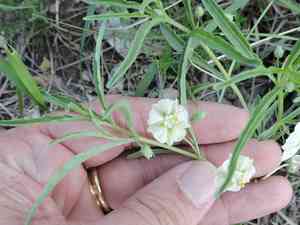
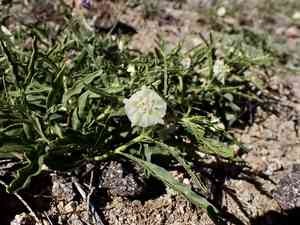
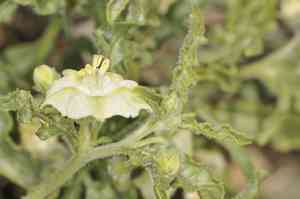
Quickly Identify Greenleaf five eyes
1
Look for a herbaceous plant with green, somewhat hairy leaves, and small, inconspicuous yellowish or green flowers. It often grows in arid or semi-arid environments.
Scientific Classification of Greenleaf five eyes
Phylum
Vascular plants
Class
Dicotyledons
Order
Solanales
Family
Nightshade
Genus
Five eye
Species
Greenleaf five eyes
Planting and Growing of Greenleaf five eyes
Care Difficulty
Moderate
Watering Schedule
Every 2 days
Sunlight Requirements
Full sun
Sunshine Duration
6-10 hours
Ideal Temperature
60-75℉
Soil Type
Potting Mix, Peat Mix
Soil pH
6.5-7.5
Fertilizer Type
Balanced
Pruning Season
Spring, Summer
Pruning Area
Branches, Leaves
Pruning Frequency
2 times a year
Repotting Season
Spring
Pot Type
Plastic, Ceramic
 How to Water Greenleaf five eyes?
For Chamaesaracha coronopus, it's essential to water with 300 milliliters each session. Be sure to allow the soil to dry between waterings to mimic its natural arid habitats. Overwatering may lead to root rot, so make sure the pot has excellent drainage.
What are the symptoms of an underwatered Greenleaf five eyes?
›
What should I do if my Greenleaf five eyes is not getting enough water?
›
What are the symptoms of an overwatered Greenleaf five eyes?
›
How to save an overwatered Greenleaf five eyes?
›
 What Are the Sunlight Requirements for Greenleaf five eyes?
Chamaesaracha coronopus thrives in full to partial sun, capitalizing on bright conditions for growth. Sufficient light ensures healthy foliage and optimal flowering.
Optimal positioning for sunlight
›
Shade during peak hours
›
Supplemental lighting during cloudy periods
›
 What Is the Ideal Temperature Range for Greenleaf five eyes?
The ideal temperature range for Chamaesaracha coronopus is between 60°F and 75°F. This range provides optimal conditions for growth and photosynthesis, promoting healthy foliage and flowering. Maintaining temperatures within this range supports the plant's metabolic processes efficiently.
 What Soil is Best for Greenleaf five eyes?
Chamaesaracha coronopus thrives in well-draining soils. This requirement ensures the roots do not sit in water, preventing root rot and promoting healthy growth. The plant flourishes with a moderate amount of nutrients. A nutrient-rich composition supports robust stem growth and enhances flowering potential. A moderate amount of organic matter improves soil structure and moisture retention, providing stability to the plant while ensuring it doesn't become overly soggy.
 How to Fertilize Greenleaf five eyes?
For Chamaesaracha coronopus, the fertilization should be moderate. A liquid fertilizer dilution of 1/4 strength is recommended to avoid nutrient burn. Use approximately 100-150 milliliters per plant during the growing season.
 How to Prune Greenleaf five eyes?
Begin by examining your plant for any dead, damaged, or diseased branches. These should be cut away first, as they can be pathways for infection and pest infestation. Make clean, sharp cuts to encourage healthy regrowth. After removing unhealthy growth, focus on shaping the plant for aesthetic appeal and balance. Remove any branches that cross or compete with one another, aiming for a neat, open form that allows sunlight to penetrate through all parts of the plant. For a bushier appearance, trim the tips of healthy shoots. This technique spurs lateral growth, leading to a fuller plant. Be mindful not to cut too much of these tips as they are vital for its natural flowering cycle. After pruning, provide your Chamaesaracha coronopus with adequate water and a balanced fertilizer to support recovery and growth. Keep an eye on it for any signs of stress, such as wilting or yellowing leaves, adjusting care routines as needed.
 How to Propagate Greenleaf five eyes plant?
1
Begin by collecting fresh seeds from mature Chamaesaracha coronopus. Clean the seeds to remove any debris. Soak them in water overnight to improve germination rates.
2
Fill the seed trays with a well-draining potting mix. Place seeds on top of the soil surface and lightly cover them with a thin layer of sand or fine soil. Provide consistent moisture but avoid waterlogging.
3
Select healthy, non-flowering stems and cut 4-6 inch segments. Remove leaves from the lower half and dip the cut end into rooting hormone before placing them in moist potting soil.
 How to Repot Greenleaf five eyes plant?
1
Observing when the plant is outgrowing its pot is key. Signs include roots growing out of drainage holes, slower growth, and the need for frequent watering. These indicators signal it’s time for Chamaesaracha coronopus to find a new home, ideally in spring or autumn.
2
Select a pot one size larger than the current one with drainage holes at the bottom. This allows for adequate root space and prevents waterlogging, promoting healthier root systems and reducing the risk of root rot.
3
Opt for a well-draining sandy loam soil mix. This type of soil mimics the plant's natural environment, ensuring good aeration and drainage, which is crucial for maintaining the plant's health and preventing root issues.
Toxicity
Ingestion
WARNING
The judgment on toxicity and danger is for reference only. We DO NOT GUARANTEE any accuracy of such judgment. Therefore, you SHALL NOT rely on such judgment. It is IMPORTANT TO SEEK PROFESSIONAL ADVICE in advance when necessary.
Learn More About Greenleaf five eyes Diseases
Anthracnose
Bacterial Leaf Spot
Bacterial Wilt
Damping-off
Downy Mildew
Drought Stress
Fusarium Wilt
Gray Mold
Late Blight
Leaf Curl
Leaf Spot
Mosaic
Nutrient Deficiency
Nutrient Toxicity
Powdery Mildew
Root Rot
Root-knot Nematode
Rusts
Sooty Mold
Spider Mites
Temperature Stress
Thrips Damage
White Mold



