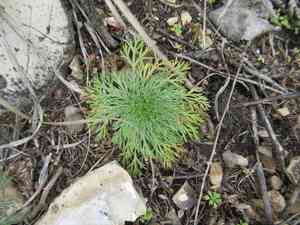
Rose chamaerhodos (Chamaerhodos erecta)
Also known as: Nuttall's ground-rose
Chamaerhodos erecta, also known as Rose chamaerhodos, thrives in arid and rocky environments, ranging from prairies to gravelly areas. This plant is distinguished by its finely segmented, hairy leaves with unique reddish tips. Throughout the summer, it produces small white flowers. Its ability to flourish in dry, sunlit locations such as grasslands and alpine meadows makes it a notable presence in challenging habitats.
In This Article
Attributes of Rose chamaerhodos
Lifespan
Biennial, Perennial
Plant Type
Herb
Plant Height
10 cm to 30 cm
Spread
Approximately 20 cm (8 inches)
Leaf Color
Green
Flower Size
2 mm to 3 mm
Flower Color
White
Images of Rose chamaerhodos
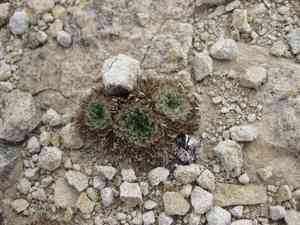
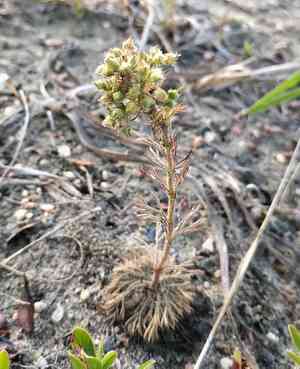
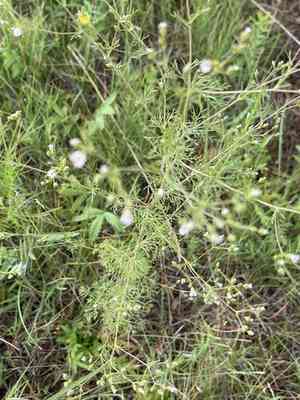
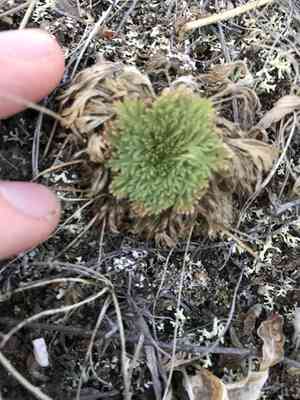
Quickly Identify Rose chamaerhodos
1
Chamaerhodos erecta can be identified by its upright, stem structure, its rosette of basal leaves, and its small white to pale pink flowers. The basal leaves are deeply divided, with a fuzzy texture, while the flowers are arranged in loose clusters at the tips of the stems.
Scientific Classification of Rose chamaerhodos
Phylum
Vascular plants
Class
Dicotyledons
Order
Rosales
Family
Rose
Genus
Little rose
Species
Rose chamaerhodos
Planting and Growing of Rose chamaerhodos
Care Difficulty
Easy
Watering Schedule
Every 2 days
Sunlight Requirements
Full sun
Sunshine Duration
4-8 hours
Ideal Temperature
60-70℉
Soil Type
Potting Mix, Peat Mix
Soil pH
6.5-7.5
Fertilizer Type
Balanced
Pruning Season
Spring, Summer
Pruning Area
Branches, Leaves
Pruning Frequency
2 times a year
Repotting Season
Spring
Pot Type
Plastic, Ceramic
 How to Water Rose chamaerhodos?
The plant Chamaerhodos erecta requires a moderate amount of water, about 200 ml each time. This succulently inclined plant thrives when the soil is allowed to dry out slightly between watering. Aim to moisten the soil evenly across the root zone without leaving water logs or puddles in the saucer.
What are the symptoms of an underwatered Rose chamaerhodos?
›
What should I do if my Rose chamaerhodos is not getting enough water?
›
What are the symptoms of an overwatered Rose chamaerhodos?
›
How to save an overwatered Rose chamaerhodos?
›
 What Are the Sunlight Requirements for Rose chamaerhodos?
Chamaerhodos erecta flourishes in full sun conditions. This consistent exposure results in vibrant bloom production and aids in maintaining a bushy, compact appearance, critical for its aesthetic appeal.
Optimal Sunlight
›
Shade Protection
›
Strategic Placement
›
 What Is the Ideal Temperature Range for Rose chamaerhodos?
The optimal temperature range for Chamaerhodos erecta is between 60°F and 70°F. This range ensures that the plant's metabolic activities, such as photosynthesis and respiration, proceed efficiently, leading to robust growth and development. Temperatures within this range also minimize environmental stress, allowing the plant to focus its energy on growth rather than survival.
 What Soil is Best for Rose chamaerhodos?
Chamaerhodos erecta thrives in well-drained soils that prevent water logging. Ensuring proper drainage helps prevent root rot and promotes healthier growth and flowering. This plant benefits from soils enriched with organic matter. A nutrient-rich environment helps in supporting vigorous growth and enhances the plant's overall resilience. Maintaining moderate moisture levels is key for Chamaerhodos erecta. While it doesn't favor overly wet conditions, it appreciates soils that retain enough moisture to sustain its needs.
 How to Fertilize Rose chamaerhodos?
When fertilizing Chamaerhodos erecta, it's essential to use a balanced liquid fertilizer diluted to half strength. For example, if the label suggests 10 ml per liter, use 5 ml. This ensures that the nutrients provided do not overwhelm the plant and effectively supplement its natural growth cycles.
 How to Prune Rose chamaerhodos?
Start by examining your Chamaerhodos erecta to identify branches that are dead, damaged, or crossing each other. This initial inspection helps plan the pruning task and prioritize which parts of the plant need attention. Carefully trim the identified branches back to a healthy bud or nearest lateral branch. Make sure to cut just above the bud at a slight angle to encourage new growth and prevent water from collecting and causing rot. After pruning, collect all debris and removed branches to prevent the spread of disease. This cleanliness promotes a healthy garden environment and discourages pests from settling in.
More About Pruning Techniques→
 How to Propagate Rose chamaerhodos plant?
1
Collecting seeds should be done when the seed heads are fully matured. Gently remove them and store them in a cool, dry place until you're ready to plant.
2
Select healthy stems from the mother plant and use pruning shears to cut them. Ideally, each cutting should be around 10 cm in length. Remove any leaves from the lower half.
3
Dig around the base of the plant and gently lift it from the soil. Use a sharp knife to divide the root ball into smaller sections, ensuring each has adequate roots attached.
 How to Repot Rose chamaerhodos plant?
1
For Chamaerhodos erecta, repotting is necessary when the roots start encircling the pot or the plant shows signs of stress such as wilting despite being well-watered. Spring and autumn are ideal due to moderate temperatures.
2
Choose a pot that is slightly larger than the current one, preferably with drainage holes to prevent waterlogging. A slightly larger pot gives room for growth without overwhelming the plant with too much soil that retains water.
3
Select a well-draining, sandy soil mix. This type of soil mimics the plant's natural habitat, ensuring that water drains quickly to prevent root rot while providing enough stability for root development.
Learn More About Rose chamaerhodos Diseases
Anthracnose
Bacterial Leaf Spot
Bacterial Wilt
Black Spot
Chemical Injury
Crown Gall
Cyst Nematode
Damping-off
Downy Mildew
Drought Stress
Fusarium Wilt
Gray Mold
Leaf Curl
Leaf Spot
Mosaic
Nutrient Deficiency
Nutrient Toxicity
Powdery Mildew
Root Rot
Root-knot Nematode
Rusts
Sooty Mold
Spider Mites
Temperature Stress
Thrips Damage
White Mold



