
Parlor palm (Chamaedorea elegans)
Also known as: Neanthe bella palm
The parlor palm (Chamaedorea elegans), native to Mexico and Guatemala's rainforests, is a popular houseplant. It grows best in indirect light and well-draining soil. This palm prefers indoor conditions with temperatures ranging from 65-80°F (18-27°C) and high humidity. Avoid placing it in direct sunlight to prevent leaf burn.
In This Article
Plant Comprehensive Care Guide: Beginner's Introduction and Key Details
Perfect for beginners starting their plant care journey
→
10 Secrets to Making Parlor palm Grow Faster (A Must-Read for Beginners)
Advanced tips to accelerate your plant's growth
→
Care "Black Tech": 10 Little-Known Highly Effective Maintenance Tips
Expert-level techniques for optimal plant care
→
Attributes of Parlor palm
Lifespan
Perennial
Plant Type
Palm, Herb
Plant Height
1.8 m to 5 m
Spread
90 cm
Leaf Color
Green
Flower Size
2.5 cm
Flower Color
Yellow Green
Images of Parlor palm
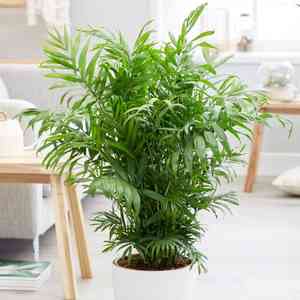


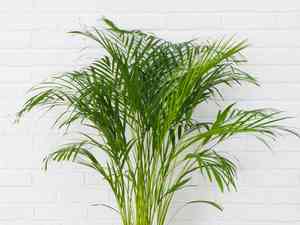
Quickly Identify Parlor palm
1
Upright, multistemmed growth habit resembling bamboo, reaching 2-7 feet (60-210 cm) tall.
2
Even pinnately compound leaves with fused terminal pinnae and drooping foliage.
3
Petioles thick and fleshy at the base, enhancing the bamboo-like appearance.
4
Flowers small, light yellow to orange-red, odoriferous, and interfoliar among leaves.
5
Distinctive round, fleshy berries with deep black coloration and rare occurrence.
Scientific Classification of Parlor palm
Phylum
Vascular plants
Class
Monocotyledons
Order
Palms, bullanocks, and allies
Family
Palm
Genus
Chamaedorea
Species
Parlor palm
Planting and Growing of Parlor palm
Care Difficulty
Easy
Watering Schedule
Every 4 days
Sunlight Requirements
Partial sun
Sunshine Duration
4-6 hours
Ideal Temperature
65-75℉
Soil Type
Potting Mix, Peat Mix
Soil pH
6.5-7.5
Fertilizer Type
Balanced
Pruning Season
Spring, Summer
Pruning Area
Branches, Leaves
Pruning Frequency
2 times a year
Repotting Season
Spring
Pot Type
Plastic, Ceramic
 How to Water Parlor palm?
When watering Chamaedorea elegans, aim to thoroughly drench the soil until water drains out of the bottom of the pot. This ensures the roots get sufficient moisture, supporting healthy growth and preventing the leaves from drying out. The soil should remain evenly moist, but not waterlogged. The key is to wait until the top inch of soil feels dry before watering again.
More About Watering Techniques→
What are the symptoms of an underwatered Parlor palm?
›
What should I do if my Parlor palm is not getting enough water?
›
What are the symptoms of an overwatered Parlor palm?
›
How to save an overwatered Parlor palm?
›
 What Are the Sunlight Requirements for Parlor palm?
Partial sun ensures optimal growth for Chamaedorea elegans. This light range supports actively growing leaves, ensuring the plant maintains its lushness and health without the risks associated with direct sunlight.
More About Sunlight Requirements Techniques→
What is the best lighting solution for Chamaedorea elegans?
›
How can one ensure Chamaedorea elegans gets just the right amount of light daily?
›
Why is proper lighting crucial for Chamaedorea elegans?
›
 What Is the Ideal Temperature Range for Parlor palm?
Chamaedorea elegans thrives in temperatures ranging from 65°F to 75°F. This temperature range supports optimal growth and maintains the health of the plant. Ensuring a stable environment within these limits encourages robust foliage and vibrant green color, essential characteristics of a healthy Chamaedorea elegans.
 What Soil is Best for Parlor palm?
Why does Chamaedorea elegans need well-draining soil? Well-draining soil prevents waterlogging which can cause root rot. The roots of the plant need oxygen, and soggy soil suffocates them, risking the health of the entire plant. Does Chamaedorea elegans require a rich nutrient base? Yes, moderate fertility is key as it provides vital nutrients for growth, helping the plant maintain lush green foliage. However, soil should not be too rich to avoid over-fertilization. Why is moisture retention important? While the soil should be well-draining, it should also retain enough moisture to keep the roots hydrated. This balance ensures that the plant gets the water it needs without standing in water.
More About Soil→
 How to Fertilize Parlor palm?
Chamaedorea elegans appreciates a balanced diet, much like a gourmand who enjoys a variety of nutrients. Ideally, use a diluted 1/2 strength liquid fertilizer for indoor plants during the growing season. This nourishment ensures it remains lush and vibrant, providing the nutrients it craves without overwhelming its delicate root system.
More About Fertilizing Techniques→
 How to Prune Parlor palm?
When pruning, identify which fronds are healthy and which are dry or discolored. Avoid cutting healthy green fronds as they contribute to photosynthesis, vital for the plant's growth. Always use clean and sharp pruners to make clear cuts. This minimizes damage to the plant and reduces the risk of disease. Blunt tools might crush the fronds instead of cutting them cleanly.
More About Pruning Techniques→
 How to Propagate Parlor palm plant?
1
Gather seeds from mature Chamaedorea elegans plants. It's crucial to ensure seeds are ripe for better germination rates. Clean off any pulp residue to prevent mold.
2
Sow seeds in a planting tray filled with potting soil. Place them about half an inch deep, and cover lightly with soil. Maintain consistent moisture without over-watering.
3
During repotting in spring, separate clumps of Chamaedorea elegans into smaller sections, ensuring each division has roots attached for successful re-establishment.
 How to Repot Parlor palm plant?
1
Chamaedorea elegans, or the Parlor Palm, signals it's ready for repotting when its roots have outgrown the pot, often emerging from drainage holes. Another time to consider repotting is if the plant's growth significantly slows down, suggesting root crowding. The ideal repotting window is during active growth phases in spring or summer, ensuring the palm has enough time to adjust to its new environment before dormancy sets in.
2
Opt for a plant pot that is one size larger than the current one. This ensures adequate room for root expansion without overwhelming the plant with excess soil that can retain too much moisture. A pot with good drainage is crucial, as it prevents waterlogging and root rot, promoting healthy root development and overall plant vitality.
3
For Chamaedorea elegans, a well-draining potting mix is essential. This type of soil composition helps prevent water retention, reducing the likelihood of root rot. A mix containing perlite and peat moss offers both aeration and moisture retention, maintaining an optimal balance conducive to robust plant health.



