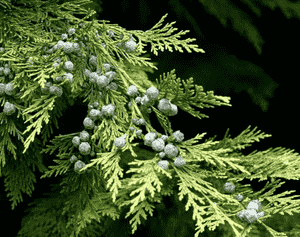
Lawson's cypress (Chamaecyparis lawsoniana)
Also known as: Port Orford cedar, Lawson false cypress
The Western Red Cedar (*Thuja plicata*) is an evergreen tree that can reach heights of up to 61 meters and widths of 1.2 to 2 meters. Known for its longevity, this tree can live for several centuries. Its cedar wood is highly prized in North America. Female seed cones, which appear in spring, mature to a brown hue, while the smaller male cones are red.
Attributes of Lawson's cypress
Images of Lawson's cypress
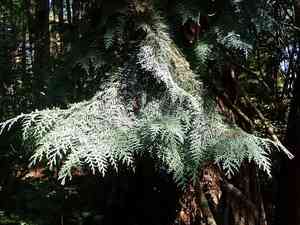
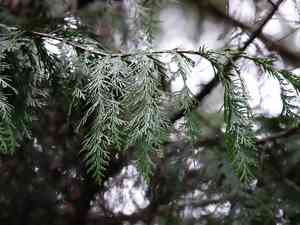
Quickly Identify Lawson's cypress
Scientific Classification of Lawson's cypress
Planting and Growing of Lawson's cypress
 How to Water Lawson's cypress?
 What Is the Ideal Temperature Range for Lawson's cypress?
 What Soil is Best for Lawson's cypress?
 How to Fertilize Lawson's cypress?
 How to Prune Lawson's cypress?
 How to Propagate Lawson's cypress plant?
 How to Repot Lawson's cypress plant?
Toxicity of Lawson's cypress
Is Lawson's cypress toxic to humans?
Lawson's cypress is entirely unfit for human consumption, and typically, individuals do not attempt to ingest it. Nevertheless, the leaves can cause skin irritation in sensitive individuals, resulting in a rash. Ingesting the foliage can similarly irritate the mouth, throat, and digestive system. It is important to keep young children away from this tree. When pruning or handling the foliage, be sure to wear gloves and protective attire.



