Chamaecrista (Chamaecrista)(Chamaecrista)

Chamaecrista (Chamaecrista) (Chamaecrista)

Also known as: Partridge pea, Sensitive pea

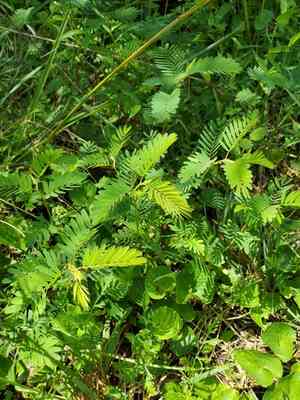
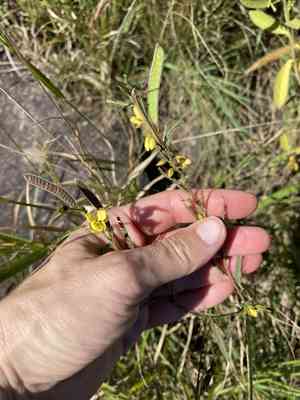
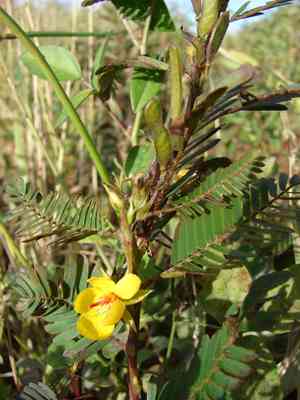
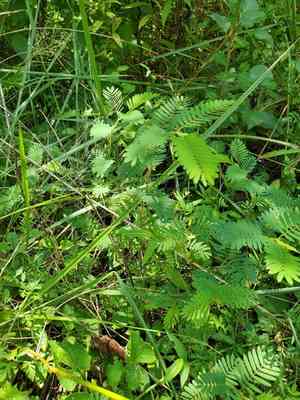
Chamaecrista, commonly referred to as partridge peas, are leguminous plants characterized by their bright yellow flowers and pinnate (feather-like) leaves. Many species within this genus exhibit rapid leaf movement in response to touch or changes in light, hence the nickname "sensitive peas."

### Key Characteristics:
1. **Appearance**: Bright yellow flowers and compound, pinnate leaves.
2. **Leaf Movement**: Some species can fold their leaflets in response to tactile stimuli and light changes.
3. **Growth Form**: Typically herbaceous, can be either annual or perennial.
4. **Seed Pods**: Produce flat, elongated seed pods that disperse seeds upon maturity.

### Ecological Contributions:
1. **Nitrogen Fixation**: As legumes, they improve soil fertility by converting atmospheric nitrogen into a form usable by plants.
2. **Pollinator Support**: Their flowers attract a variety of pollinators, contributing to ecosystem biodiversity.
3. **Soil Stabilization**: Deep root systems help in preventing soil erosion.
4. **Wildlife Habitat**: Provide food and habitat for insects, birds, and other wildlife.
5. **Restoration Projects**: Used in ecological restoration to enhance soil quality and support native plant communities.

Chamaecrista plants are integral to maintaining healthy ecosystems through their various ecological functions.

Attributes of Chamaecrista (Chamaecrista)

Lifespan
Annual, Perennial
Plant Height
0.3 to 1 meter
Spread
0.3 to 1.5 meters
Leaf Color
Green
Flower Size
1 to 2 cm
Flower Color
Yellow

ForwardPlant - Identify plants with a snap

Identify and diagnose plants, get toxicity alerts, and explore safety guides for all types of fungi.

Try for Free

Images of Chamaecrista (Chamaecrista)
Chamaecrista (Chamaecrista)(Chamaecrista)

Quickly Identify Chamaecrista (Chamaecrista)

1
Chamaecrista species can be identified by their compound leaves with numerous small leaflets and showy yellow flowers. Some species have leaves that close when touched, a characteristic feature.

Scientific Classification of Chamaecrista (Chamaecrista)

Phylum
Magnoliophyta
Class
Magnoliopsida
Order
Fabales
Family
Fabaceae
Genus
Chamaecrista

Planting and Growing of Chamaecrista (Chamaecrista)

Care Difficulty
Easy
Watering Schedule
Every 2 days
Sunlight Requirements
Full sun
Sunshine Duration
4-8 hours
Ideal Temperature
70-85℉
Soil Type
Potting Mix, Peat Mix
Soil pH
6.5-7.5
Fertilizer Type
Balanced
Pruning Season
Spring, Summer
Pruning Area
Branches, Leaves
Pruning Frequency
2 times a year
Repotting Season
Spring
Pot Type
Plastic, Ceramic

water icon How to Water Chamaecrista (Chamaecrista)?

When watering Chamaecrista, ensure that the soil is moist but not soggy. A deep watering of approximately 300 ml is ideal, allowing the water to reach the root zone. This encourages the roots to grow deeper, improving the plant's overall resilience and health.
What are the symptoms of an underwatered Chamaecrista (Chamaecrista)?
What should I do if my Chamaecrista (Chamaecrista) is not getting enough water?
What are the symptoms of an overwatered Chamaecrista (Chamaecrista)?
How to save an overwatered Chamaecrista (Chamaecrista)?

sunlight icon What Are the Sunlight Requirements for Chamaecrista (Chamaecrista)?

Sunlight Requirements: Full sun, Partial sun
Duration of light: 4 to 8 hours
Chamaecrista thrives in full sun to partial sun conditions, ideally 4 to 8 hours. Optimal light exposure ensures efficient photosynthesis, boosting overall plant health and vigor.
What is the optimal lighting for Chamaecrista?
How to achieve the ideal lighting for Chamaecrista?
What are the benefits of optimal lighting for Chamaecrista?

temperature icon What Is the Ideal Temperature Range for Chamaecrista (Chamaecrista)?

Ideal Temperature: 70 ~ 85℉
Chamaecrista thrives best within a temperature range of 70°F to 85°F. This range provides optimal conditions for growth and health by facilitating proper metabolic and physiological functions. Maintaining this range helps ensure that the plant has adequate energy for photosynthesis and nutrient uptake, leading to robust foliage and vibrant blooms.

soil icon What Soil is Best for Chamaecrista (Chamaecrista)?

Soil type: Sandy soil, Loam, Sandy loam
Soil PH: 6.5 ~ 7.5
Chamaecrista thrives in well-draining soil series like sandy or loamy types, which allow for excellent water movement. This prevents water stagnation, reducing the risk of root rot and promoting vigorous root growth necessary for optimal health. Though Chamaecrista can grow in nutrient-poor conditions, moderately fertile soil can aid in faster growth. A balanced level of nutrients supports its foliage and flowering phases, vital for healthy development and reproduction. This plant benefits greatly from soil that allows air to circulate freely around roots. Proper aeration helps to keep the roots oxygenated, thus enhancing overall plant vitality and resistance to disease.

fertilize icon How to Fertilize Chamaecrista (Chamaecrista)?

Fertilizer type: Balanced
For Chamaecrista, it is essential to fertilize but not to overdo it. Use a balanced fertilizer with an equal ratio of nitrogen, phosphorus, and potassium. During the growing season, a liquid fertilizer diluted to half the recommended strength applied twice a month is ideal.

prune icon How to Prune Chamaecrista (Chamaecrista)?

Pruning Time: Summer
Start by removing dead, damaged, or diseased branches. These should be cut back to where healthy growth begins. This will help prevent the spread of disease throughout the plant. Once the dead branches are removed, begin shaping the plant. Trim excess growth to maintain a bushy appearance and encourage denser foliage. It’s important to step back frequently to assess the plant's shape as you prune.

propagate icon How to Propagate Chamaecrista (Chamaecrista) plant?

Propagate Time: Spring,Early summer
1
Collect mature seeds from the plant and clean them to remove any fruit pulp. Allow the seeds to dry completely before sowing. Plant the seeds in a well-draining mix in the seed tray. Cover them lightly with soil and mist with water to maintain moisture.
2
Select healthy stems and cut 4-6 inch sections just below a node using pruning shears. Remove leaves from the lower half to reduce water loss. Dip the cut ends in rooting hormone to enhance root development. Plant the cutting in a sterile potting medium.
3
For division propagation, gently remove the plant from the soil during its dormant period. Separate the root clumps ensuring each division has roots and shoots. Replant immediately in prepared soil, ensuring each division is at the same depth as the original plant.

repot icon How to Repot Chamaecrista (Chamaecrista) plant?

Repotting frequency: Every two to three years
1
Chamaecrista displays clear signals when it needs a new pot. If you notice roots emerging from the drainage holes, or the growth slows significantly despite optimal care, it's time for a more spacious home. Repotting in spring or summer capitalizes on the plant's active growing phase, allowing it to adjust smoothly.
2
Select a pot that's an inch wider and deeper than the current one. This size gives Chamaecrista room to grow without overwhelming its roots. A pot with sufficient drainage holes prevents waterlogging, reducing the risk of root rot and maintaining healthy soil conditions for vigorous growth.
3
Opt for a well-draining, sandy soil mix to provide Chamaecrista with the ideal balance of moisture retention and aeration. This type of soil mimics its natural habitat, preventing root diseases while promoting robust growth, ensuring the roots have the oxygen they need.

ForwardPlant - Identify plants with a snap

Find the best spots for them to optimize their health, simply using your phone.

Try for Free

Toxicity

Ingestion

Identify toxic plants for your safety

Learn which plants are harmful to you and your pets, and make informed choices for a safer home!

Try for Free
WARNING
The judgment on toxicity and danger is for reference only. We DO NOT GUARANTEE any accuracy of such judgment. Therefore, you SHALL NOT rely on such judgment. It is IMPORTANT TO SEEK PROFESSIONAL ADVICE in advance when necessary.