
Sensitive Partridge Pea (Chamaecrista nictitans)
Also known as: Wild Sensitive Plant, Partridge-Pea
Native to the southern and eastern United States, **partridge pea (Chamaecrista fasciculata)** is an annual legume that serves as an effective native ground cover alternative to grass. Though it is valued for its nitrogen-fixing properties and bright yellow blooms, it can be considered invasive in certain regions due to its adaptability.
In This Article
Attributes of Sensitive Partridge Pea
Lifespan
Annual, Perennial
Plant Type
Herb
Plant Height
61 cm
Spread
Typically around 30 cm (12 inches)
Leaf Color
Green
Flower Size
2.5 cm
Flower Color
Yellow
Images of Sensitive Partridge Pea
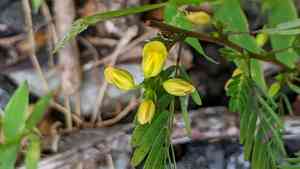
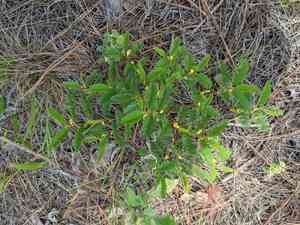
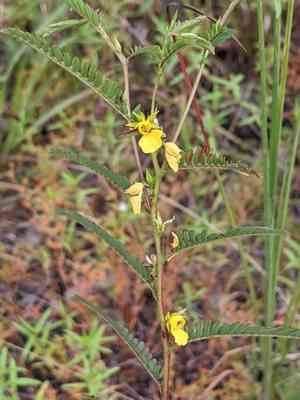
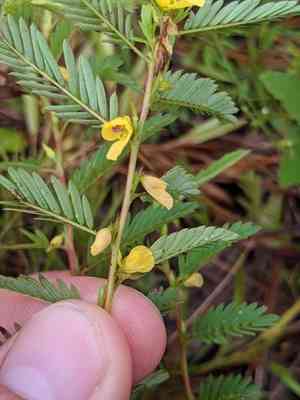
Quickly Identify Sensitive Partridge Pea
1
Look for annual herbs with pinnate leaves that close quickly when touched. The plant typically has yellow flowers with red spots at the base of the petals and elongated seed pods.
Scientific Classification of Sensitive Partridge Pea
Phylum
Vascular plants
Class
Dicotyledons
Order
Fabales
Family
Legume
Genus
Chamaecrista
Species
Sensitive Partridge Pea
Planting and Growing of Sensitive Partridge Pea
Care Difficulty
Easy
Watering Schedule
Every 2 days
Sunlight Requirements
Partial sun
Sunshine Duration
6-10 hours
Ideal Temperature
65-75℉
Soil Type
Potting Mix, Peat Mix
Soil pH
5.5-7.5
Fertilizer Type
Balanced
Pruning Season
Spring, Summer
Pruning Area
Branches, Leaves
Pruning Frequency
2 times a year
Repotting Season
Spring
Pot Type
Plastic, Ceramic
 How to Water Sensitive Partridge Pea?
For Chamaecrista nictitans, it's crucial to water until the top inch of soil feels moist without being soggy. Ensure that excess water drains away to prevent waterlogged soil, which can harm the roots. Stick to approximately 150 ml per watering session to maintain optimal moisture levels.
What are the symptoms of an underwatered Sensitive Partridge Pea?
›
What should I do if my Sensitive Partridge Pea is not getting enough water?
›
What are the symptoms of an overwatered Sensitive Partridge Pea?
›
How to save an overwatered Sensitive Partridge Pea?
›
 What Are the Sunlight Requirements for Sensitive Partridge Pea?
Chamaecrista nictitans ideally thrives in partial to full sun for optimal growth and flowering. Adequate sunlight enhances its natural processes and promotes a healthier, more resilient plant.
More About Sunlight Requirements Techniques→
What is the ideal light condition for Chamaecrista nictitans?
›
How can you ensure Chamaecrista nictitans gets ideal lighting?
›
Benefits of proper lighting for Chamaecrista nictitans?
›
 What Is the Ideal Temperature Range for Sensitive Partridge Pea?
Chamaecrista nictitans thrives in a temperature range between 65°F and 75°F. This range provides optimal conditions for photosynthesis, growth, and flowering. Temperatures within this range ensure that the enzyme activities and physiological processes are occurring at their most efficient rates, ultimately supporting the overall health and productivity of the plant.
 What Soil is Best for Sensitive Partridge Pea?
Chamaecrista nictitans thrives best in well-drained soil which prevents waterlogging. This helps the roots to breathe, reduces the risk of root rot, and supports healthy plant growth. A nutrient-rich environment ensures that Chamaecrista nictitans receives essential minerals for optimal growth. The presence of organic matter enhances soil fertility, facilitating robust plant development. Maintaining moderate moisture levels in the soil is crucial as it provides the plant with necessary hydration without overwhelming its roots, promoting healthy foliage and longevity.
 How to Fertilize Sensitive Partridge Pea?
Chamaecrista nictitans, known for its sensitivity to over-fertilization, requires a delicate balance. Use a diluted liquid fertilizer at half the recommended strength to avoid nutrient burn, ensuring gentle nourishment for this elegant plant.
 How to Prune Sensitive Partridge Pea?
Before beginning your pruning adventure with Chamaecrista nictitans, ensure you have the right tools at hand: sharp pruning shears, gloves, and disinfectant. Sharp shears provide clean cuts, essential for minimizing damage and disease introduction. Begin by identifying dead, damaged, or diseased branches. These should be removed first, cutting them back to healthy wood. Next, trim any overgrown branches to encourage bushier growth. Aim to cut just above a leaf node or bud to stimulate new shoot development. Remember, minimal cuts are better than over-pruning, which can stress the plant.
 How to Propagate Sensitive Partridge Pea plant?
1
Prepare Chamaecrista nictitans seeds by soaking them overnight in warm water. This softens the seed coat, improving germination rates by allowing moisture to penetrate the seeds more easily.
2
Scatter the prepared seeds onto seedling trays filled with potting mix, ensuring even spacing. Lightly cover the seeds with a fine layer of soil and gently water to promote germination.
3
Ensure seeds are placed in a warm, well-lit area with temperatures around 70°F. Maintain consistent moisture in the soil but avoid waterlogging, to create an ideal environment for growth.
 How to Repot Sensitive Partridge Pea plant?
1
Signs that Chamaecrista nictitans needs repotting include wilting despite regular watering, slowed growth, and roots visibly growing out of the pot's drainage holes. These are signals that the plant has outgrown its current container. Ideally, repot during its active growing months to minimize stress on the plant.
2
Select a pot that is 1-2 inches larger in diameter than the current one. Ensure it has adequate drainage holes to prevent waterlogging, which can lead to root rot. A slightly larger pot gives roots room to grow, which supports healthy plant development and avoids overcrowding.
3
For Chamaecrista nictitans, a well-draining potting mix is crucial. It should contain components like perlite or coarse sand to enhance aeration and avoid compacting, thus allowing roots to breathe and preventing water retention problems that can harm the plant.
Learn More About Sensitive Partridge Pea Diseases
Anthracnose
Bacterial Leaf Spot
Bacterial Wilt
Crown Gall
Cyst Nematode
Damping-off
Downy Mildew
Drought Stress
Fusarium Wilt
Gray Mold
Leaf Curl
Leaf Spot
Mosaic
Nutrient Deficiency
Nutrient Toxicity
Powdery Mildew
Root Rot
Root-knot Nematode
Rusts
Sooty Mold
Spider Mites
Temperature Stress
Thrips Damage
White Mold



