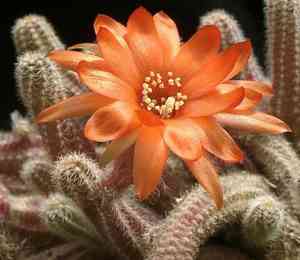
Chamaecereus silvestrii (Chamaecereus silvestrii)
Also known as: Peanut Cactus
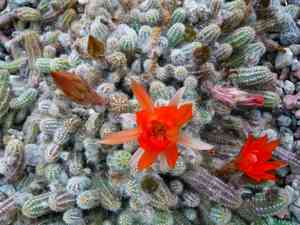
Chamaecereus silvestrii, commonly known as the Peanut Cactus, is a small, clustering, cactus native to Argentina. It has finger-like stems that form dense clumps, and it produces striking, red-orange flowers in the spring.
In This Article
Images of Chamaecereus silvestrii
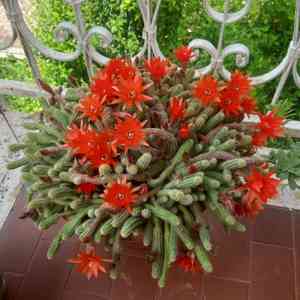
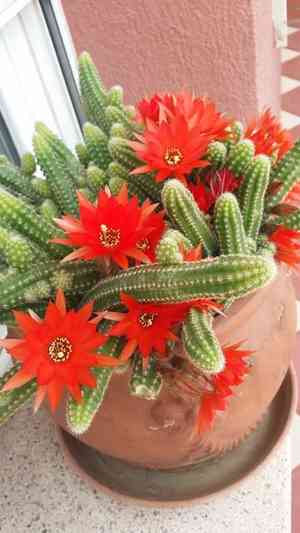
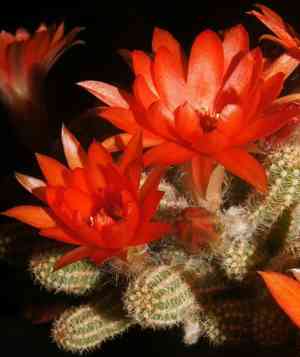
Quickly Identify Chamaecereus silvestrii
1
Identify Chamaecereus silvestrii by its long, slender, finger-like green stems that are covered with small, harmless spines and by its vivid, red-orange blooms in late spring.
Scientific Classification of Chamaecereus silvestrii
Phylum
Magnoliophyta
Class
Magnoliopsida
Order
Caryophyllales
Family
Cactaceae
Genus
Chamaecereus
Planting and Growing of Chamaecereus silvestrii
Watering Schedule
Every 2 days
Sunlight Requirements
Full sun
Sunshine Duration
6-10 hours
Ideal Temperature
59-77℉
Soil Type
Potting Mix, Peat Mix
Soil pH
6.5-7.5
Fertilizer Type
Balanced
Pruning Season
Spring, Summer
Pruning Area
Branches, Leaves
Pruning Frequency
2 times a year
Repotting Season
Spring
Pot Type
Plastic, Ceramic
 How to Water Chamaecereus silvestrii?
The watering amount for Chamaecereus silvestrii should be approximately 150 ml per session. It is crucial to allow the soil to dry out between waterings to prevent root rot. Water the plant until the excess comes out of the drainage holes, ensuring every part of the root ball gets adequate moisture.
What are the symptoms of an underwatered Chamaecereus silvestrii?
›
What should I do if my Chamaecereus silvestrii is not getting enough water?
›
What are the symptoms of an overwatered Chamaecereus silvestrii?
›
How to save an overwatered Chamaecereus silvestrii?
›
 What Are the Sunlight Requirements for Chamaecereus silvestrii?
Chamaecereus silvestrii thrives in full sun, ideally receiving 5 to 8 hours of sunlight daily. Optimal lighting enhances blooming and robust stem development, contributing to the plant's vibrant health.
Where should it be placed?
›
How to adjust for seasonal changes?
›
What is the role of reflective surfaces?
›
 What Is the Ideal Temperature Range for Chamaecereus silvestrii?
Chamaecereus silvestrii thrives best in temperatures ranging from 59°F to 77°F. This range provides the ideal conditions for its development, allowing for optimal photosynthesis and metabolic processes. Maintaining this temperature ensures vigorous growth and flowering.
 What Soil is Best for Chamaecereus silvestrii?
Chamaecereus silvestrii, known for its cactus nature, needs well-drained soil to prevent root rot. Good drainage keeps the roots oxygenated and healthy, preventing waterlogging that can damage the plant. This cactus thrives in soil that allows air circulation. Aerated soil ensures better respiration for roots, which is critical for water and nutrient uptake. While not demanding in terms of nutrients, Chamaecereus silvestrii benefits from soil with moderate fertility. This supports its growth without overwhelming the cactus with excess nutrients.
 How to Fertilize Chamaecereus silvestrii?
Chamaecereus silvestrii prefers a balanced approach when it comes to its nourishment. For liquid fertilizers, a diluted formulation such as a 10-10-10 NPK should be applied, ensuring not to exceed more than a quarter of the recommended dose. This cactus is sensitive to over-fertilization, so it's best to err on the side of caution.
 How to Prune Chamaecereus silvestrii?
Observe the natural growth pattern of Chamaecereus silvestrii and cut just above the nodes or joints. This encourages a bushier growth and helps maintain the plant’s iconic finger-like appearance, contributing to its aesthetic appeal.
 How to Propagate Chamaecereus silvestrii plant?
1
Choose healthy, non-flowering stems for cuttings, as these are more likely to root successfully. The selected stems should be firm, free of disease, and approximately a few inches long.
2
Allow the cut ends of the stems to dry and callous over for a few days in a cool, dry place. This step is critical to prevent rot when the cuttings are planted in soil.
3
After the cut ends have calloused, plant the cuttings in the prepared potting mix, burying only the calloused end in the soil. Provide bright, indirect light and refrain from watering initially to avoid rotting.
 How to Repot Chamaecereus silvestrii plant?
1
Repot Chamaecereus silvestrii when its roots outgrow the pot, or if the soil has compacted over time. Early spring, just before the growing season, is ideal for repotting. Signs include roots showing at the pot’s drainage holes or noticeably slow growth.
2
Select a pot just one size larger than the current one, ideally made of terracotta, which allows excess moisture to evaporate, preventing root rot. Ensure it has ample drainage holes; this helps simulate the plant's natural rocky habitat, balancing moisture levels effectively.
3
Opt for a well-draining cactus mix. This soil replicates the natural arid environment of the plant, reducing the risk of overwatering and promoting healthy root development. Amending with pumice or perlite improves aeration, enhancing the soil structure.

